

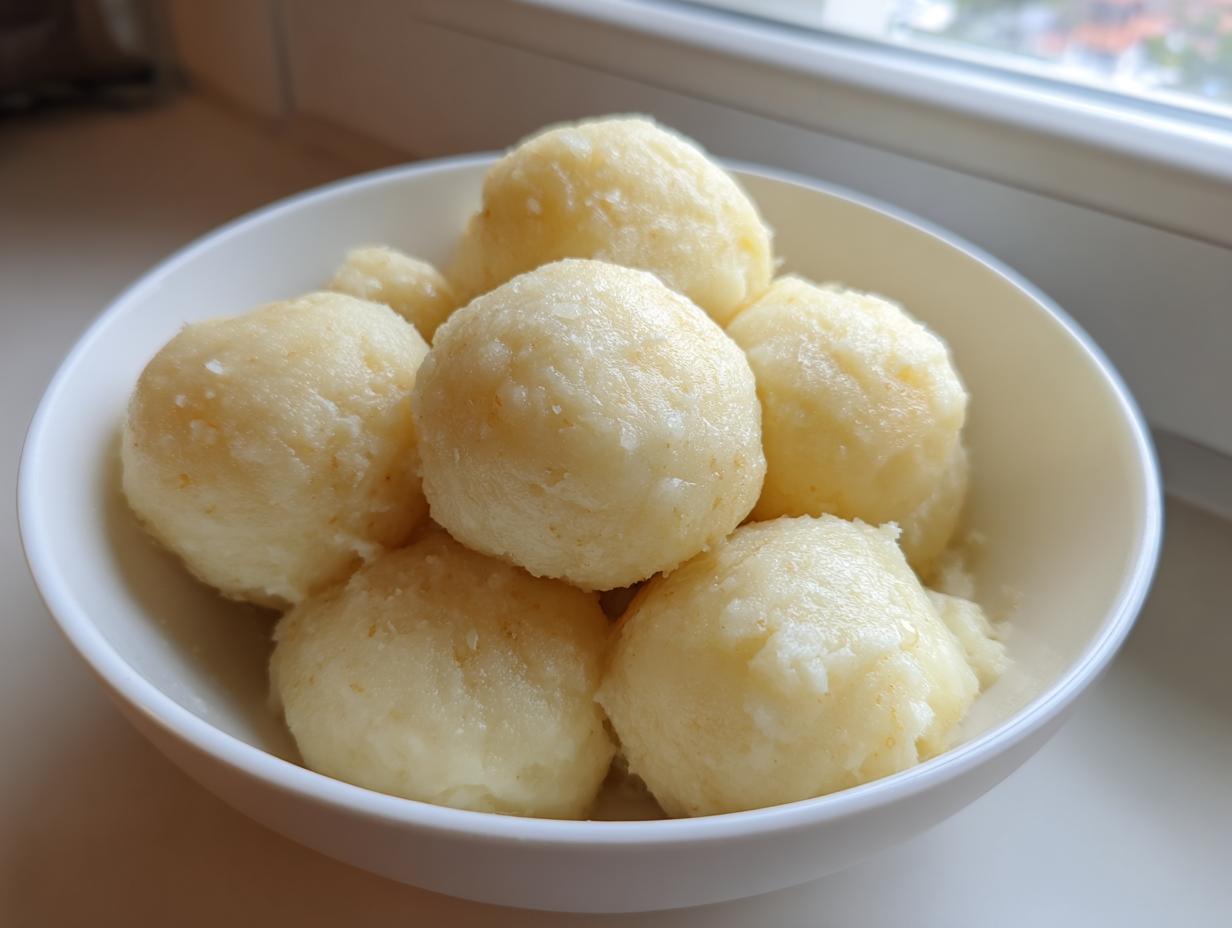
There’s just something about a comforting, soft pillow of starch that makes everything right in the world, isn’t there? For me, that feeling always brings me back to the old-world recipes my grandmother used to make. Forget fussy casseroles; we are diving into the heart of European home cooking today with the most incredible, authentic batch of potato dumplings you will ever make. I am sharing my tried-and-true German Kartoffelkloesse recipe. Trust me, these are the real deal: light, fluffy, and absolute perfection when swimming in gravy or tucked alongside a roast. They are wonderful on their own, but if you ever need a creamy base for them, you have to check out my recipe for garlic mashed potatoes! Let’s get cooking!
- Why This German Kartoffelkloesse Recipe Delivers Fluffy Potato Dumplings
- Gathering Ingredients for Classic Potato Dumplings
- How to Make Potato Dumplings from Scratch: Step-by-Step Instructions
- Variations: From Kartoffelkloesse to Schupfnudeln Fried Dumplings
- Tips for Success When Making Potato Dumplings
- Serving Suggestions for Your Potato Dumplings with Gravy
- Storage and Reheating Classic Old World Comfort Food Potato Dumplings
- Frequently Asked Questions About Easy Potato Dumplings Recipe
- Estimated Nutritional Data for Homemade Potato Dumplings
- Share Your Experience Making These Comfort Food Potato Recipes
Why This German Kartoffelkloesse Recipe Delivers Fluffy Potato Dumplings
I know you see recipes for potato dumplings everywhere, and honestly, some are just sinks heavy in cream. That’s not what we’re doing here! My goal with this specific Kartoffelkloesse version is pure, comforting fluffiness. We want a dumpling that soaks up sauce but still feels light in your mouth.
- These are guaranteed to be the softest potato dumplings you’ve made at home.
- We use a unique two-part potato method that avoids gumminess.
- They hold their shape perfectly when simmering gently.
Achieving Truly Fluffy Potato Dumplings Texture
The secret weapon for the fluffiest texture is twofold. First, we rely only on starchy potatoes; no waxy ones allowed! Second, and this is crucial, after you rice the potatoes while they are warm, you *must* let that mash cool completely down to room temperature before adding one single other ingredient. Cooling allows the starch structure to set just right, preventing that gluey quality once the flour hits. This step is mandatory if you want authentic potato dumplings!
The Role of Traditional Potato Dumplings in European Meals
These dumplings aren’t just a side dish; they are history on a plate! In Germany, these traditional potato dumplings are the centerpiece of a hearty meal, often served on Sundays or holidays. They were created long before quick side dishes existed because they were economical, filling, and utterly delicious when paired with slow-cooked meats and rich pan juices. They define comfort for me.
Gathering Ingredients for Classic Potato Dumplings
Okay, gathering your players! For these Classic Potato Dumplings, we need simple things, but preparation matters immensely. I’ve listed exactly what you need below. You can’t make a truly great dumpling without the foundation being rock solid, so pay attention to the specifics of each item. If you’re looking for a moist bake afterward, check out my recipe for super moist pumpkin bread, just for fun!
- 2 lbs starchy potatoes (like Russet), peeled
- 1 cup all-purpose flour
- 1 large egg
- 1 teaspoon salt
- Pinch of nutmeg (optional)
- Water for boiling
Ingredient Notes and Substitutions for Your Potato Dumplings
Let’s talk potatoes first. You absolutely must use starchy varieties like Russet or Idaho for this. Waxy potatoes hold too much water and ruin the desired light texture of your beautiful potato dumplings. Also (and this is the measuring rule I always preach!), spoon your flour into the measuring cup lightly and then level it off. Don’t scoop directly from the bag; that packs it in, and we don’t want dense dumplings! For nutmeg, it’s traditional, but if you really hate it, you can skip it, although I think that tiny warmth really complements the earthy potato flavor.
How to Make Potato Dumplings from Scratch: Step-by-Step Instructions
Alright, now for the fun part where we actually bring this dough to life! Making these from scratch might sound intimidating, but honestly, it’s a straightforward process if you follow the sequence. Think of it less like baking a cake and more like molding playdough—it’s therapeutic, I promise! Before you start boiling, just ensure your large pot of water is ready to go, salted generously, but keep it off the heat for now. If you want crispy extras later, make sure you have some oil ready for roasted potatoes, because leftovers fry up beautifully!
Preparing the Potato Base for Fluffy Potato Dumplings
First up, boil those peeled potatoes until they are absolutely fork-tender. You want zero resistance when you poke them. Drain them thoroughly—get every single drop of water out! While they are still warm enough to handle but cool enough not to burn your fingers, you need to squeeze every bit of that potato through a ricer or mash them until they are incredibly fine. The number one rule for velvety results is: absolutely no lumps allowed. Once it’s smooth, spread that mash out thinly on a cool surface or a large bowl and let it chill out until it’s fully room temperature. This cooling step is where the structure sets.
Mixing and Shaping Homemade Dumplings Side Dish
Once the potato is cool, it’s time for the additions. Whisk your egg, salt, and nutmeg together separately before drizzling it over the potato base. Then, sprinkle the flour on top evenly. Now for my personal tip, which I picked up years ago when I was rushing: do not use the electric mixer here! I grab a bench scraper or a spatula and work everything together very gently. Overworking develops the gluten in the flour, and suddenly, your delicate base turns into glue. We are aiming for just combined. Once it comes together into a manageable dough, divide it, roll it into logs about an inch thick, and cut those logs into little 1.5-inch pieces. Roll each piece lightly between your palms to form that classic, smooth ball shape. These are perfect as a homemade dumplings side dish!
Cooking the Potato Dumplings to Perfection
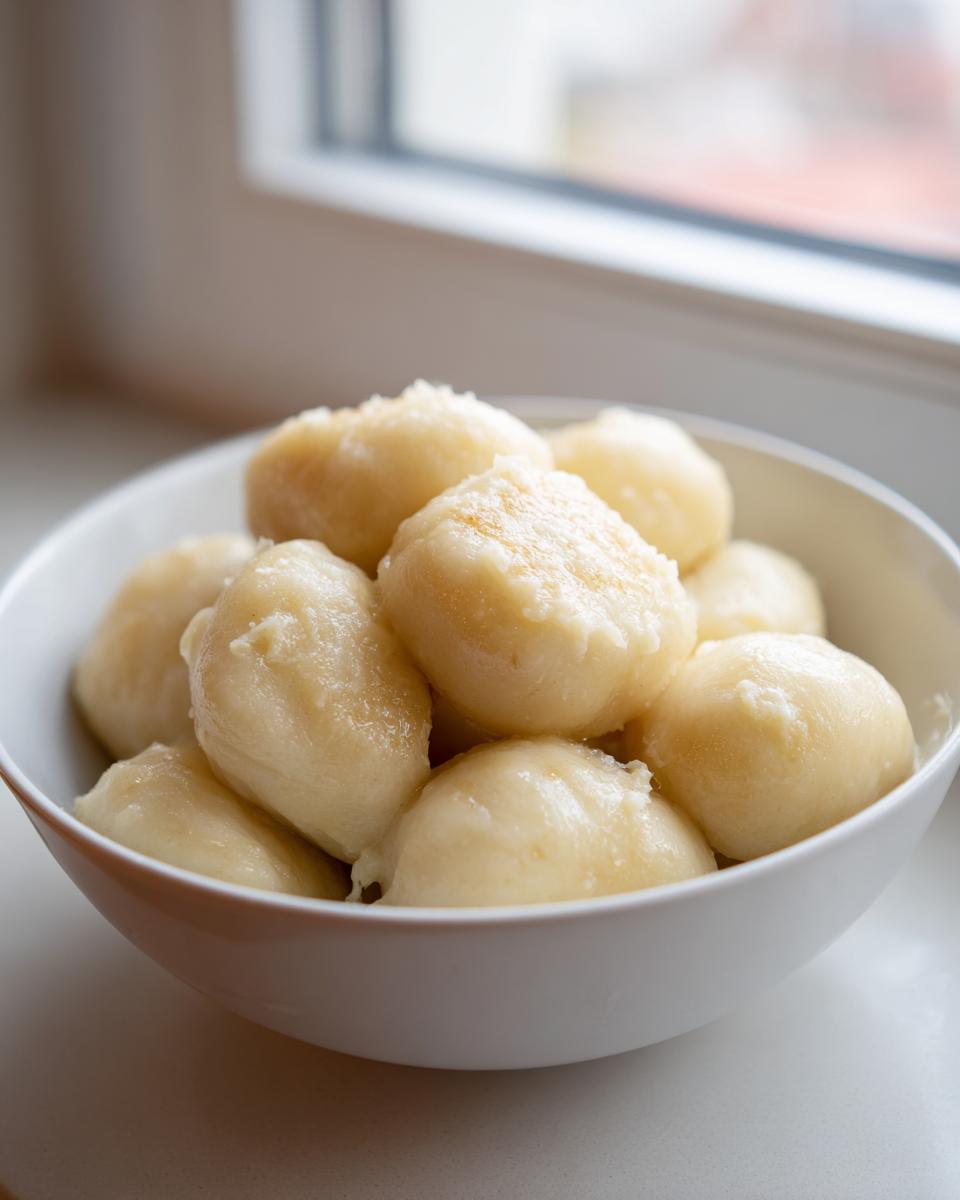
Here is the second critical temperature check. Bring your large pot of salted water to a gentle simmer. I mean it—you should see small, lazy bubbles rising, not a violent, rolling boil. A hard boil will shake your fragile dumplings apart before they even set. Carefully drop your shaped potato dumplings in—don’t dump them all at once, or you’ll shock the water temperature! They will drop to the bottom instantly. When cooked through, they will rise right to the top. Let them simmer for just 3 to 5 minutes after they float. Once that time is up, scoop them out gently with a slotted spoon. For the best results, you can see how other cooks manage theirs over at this great recipe!
Variations: From Kartoffelkloesse to Schupfnudeln Fried Dumplings
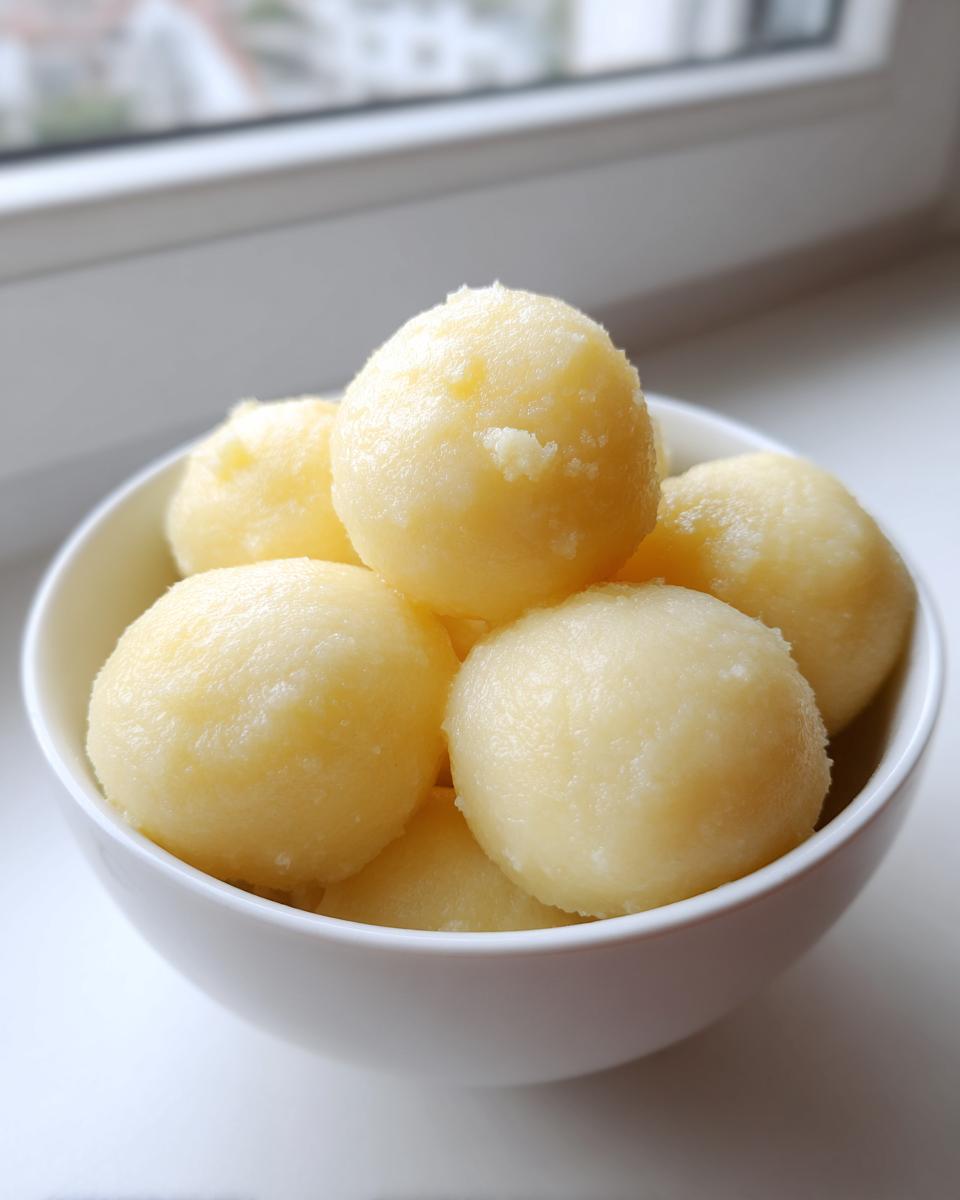
These boiled potato dumplings are my favorite classic preparation, but you know me—I love showing off ways to use up leftovers or switch things up for a change in texture! If you find yourself with extra boiled dumplings, or if you just prefer something with a bit of crispy caramelization, you have to try pan-frying them. They transform into something wonderfully different.
One of the great secrets tucked into my recipe notes is the option to use a mix of cooked and raw potato. If you want an even more authentic, slightly heartier bite without going fully raw potato dumpling territory, try using half your mashed, fully cooled cooked potatoes and half finely grated raw potato—just remember to squeeze every ounce of liquid out of that raw portion first! It makes the texture interesting and beautiful.
But let’s talk about the leftovers. That’s where the magic happens for the next day’s meal! Leftover potato dumplings are fantastic when treated like gnocchi. You simply pan-fry them in a little butter—and I mean *butter*, not oil—until they get those glorious golden-brown edges. These pan-fried versions are very close cousins to the famous Schupfnudeln fried dumplings you see in Bavaria! If you love crispy edges, you must try turning your boiled dumplings into these amazing cakes; I have a great guide on making crispy potato cakes that uses a similar frying method. If you are looking specifically for a dedicated recipe for that fried style, I saw a helpful one linked here for Schupfnudeln if you want to dive deeper into the fried route!
Tips for Success When Making Potato Dumplings
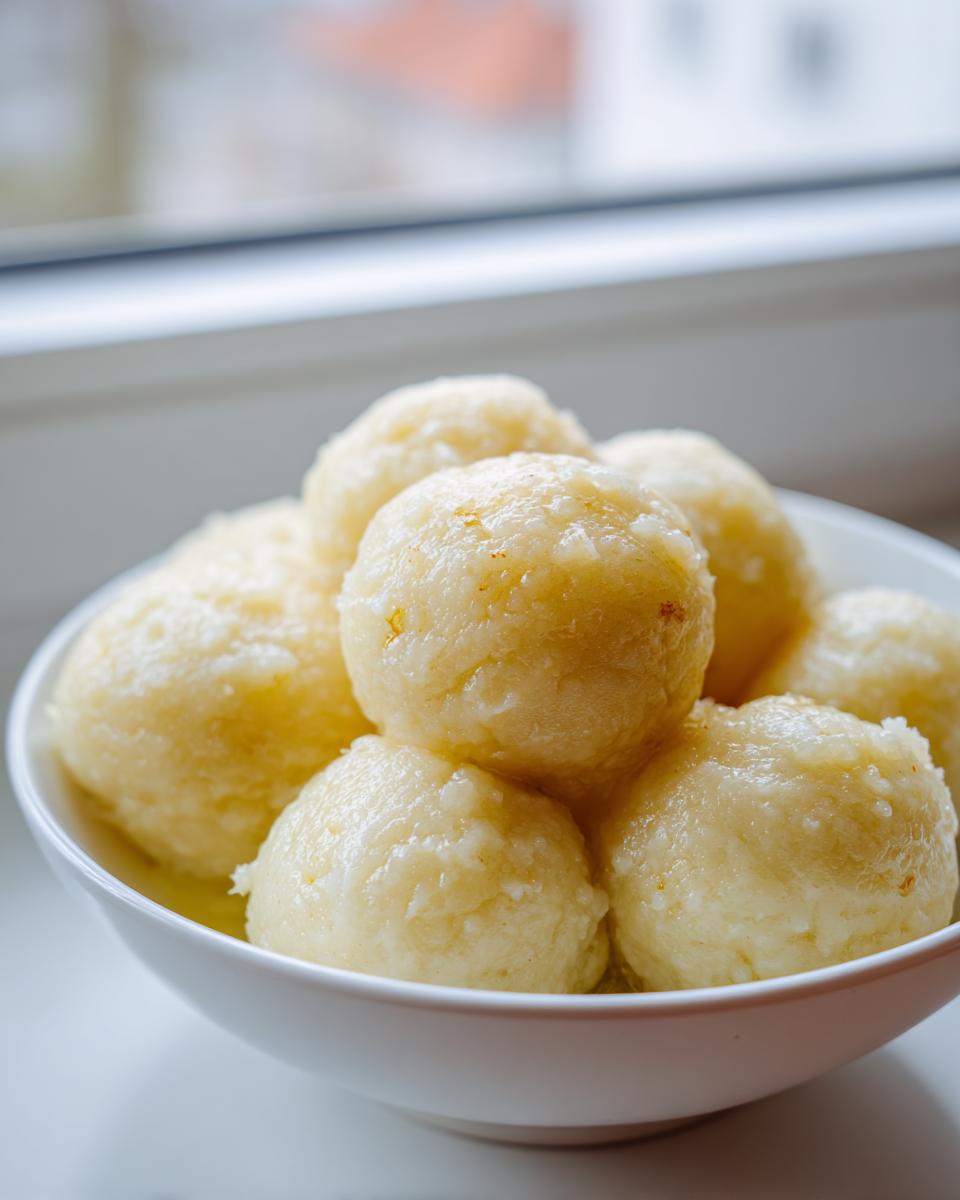
You’ve made the dough, you shaped them beautifully, and now you don’t want anything to go wrong! I get it. Dealing with potato dough can sometimes feel like trying to wrangle clouds, but stick with these key tips, and your potato dumplings will come out flawless every single time. This feedback comes from years of baking, experimenting, and yes, a few disastrous batches that stuck to the bottom of the pot!
First, let’s talk stickiness. If your dough feels too gummy or wet when you go to roll your dumplings, you have two options, depending on when you realize the issue. If it’s just slightly tacky, dust your hands lightly with flour and keep working. If it’s genuinely too wet, resist the urge to dump in heaps of flour! That’s how you accidentally turn them heavy. Instead, take those potatoes you mashed earlier, grate a tiny bit more raw potato (say, about a quarter cup for a batch this size), squeeze out every bit of that liquid—seriously squeeze it hard!—and gently fold that dry, raw starch into your dough. It absorbs the wetness without compressing the structure. This tip for blending cooked and raw potato is my absolute favorite hack for achieving that wonderfully light, fluffy outcome.
Next, remember our cooking rule: gentle simmer, not a rapid boil. When you drop those beautiful spheres into the water, they are fragile. If the water is raging, they will knock into each other and break apart, leaving you with sad potato rubble instead of perfect potato dumplings. Keep the heat low enough so the surface gently trembles, not churns. Give them time! Rushing the cooking process is the other quickest route to failure.
Finally, once they float, don’t panic and immediately pull them out. They need that essential extra 3 to 5 minutes simmering time beneath the surface to cook all the way through to the center. Pulling them too soon means a doughy core. Patience pays off when making these classic comfort food favorites!
Serving Suggestions for Your Potato Dumplings with Gravy
Now that you have perfected these wonderful, pillowy potato dumplings, you need the perfect companions! Honestly, these are made to be shovels for rich sauces. They are fantastic because they absorb all the flavor from whatever they are served with, which is why they are such a crucial side dish in Central European cooking.
If you’re making a classic Sunday roast—beef, pork, or even a hearty chicken—these dumplings are non-negotiable anchors for soaking up all those delicious pan drippings. Don’t just rely on leftover meat juices, though! If you want a sauce that truly highlights the subtle flavor of the potato, you have to try making my easy creamy peppercorn sauce. It’s simple, decadent, and the perfect partner for these dumplings.
When thinking about what to serve with them, remember you need something with deep flavor to stand up to the mild taste of the potato. This is where the term dumplings for gravy really comes into play. Thick, brown mushroom gravy is a winner. If you’re leaning towards Polish flavors, a creamy mushroom sauce works wonders too. If you’re serving them alongside a heavily seasoned meat, the dumpling acts as the wonderful, gentle counterpoint.
And don’t forget the finish! Even if you’re drowning them in sauce, taking a few moments to toss your freshly boiled potato dumplings in just a knob of melted butter with a sprinkle of fresh chives or parsley makes a huge visual and flavor difference right before serving. It keeps them from sticking together and adds a little fresh lift to the richness of the meal.
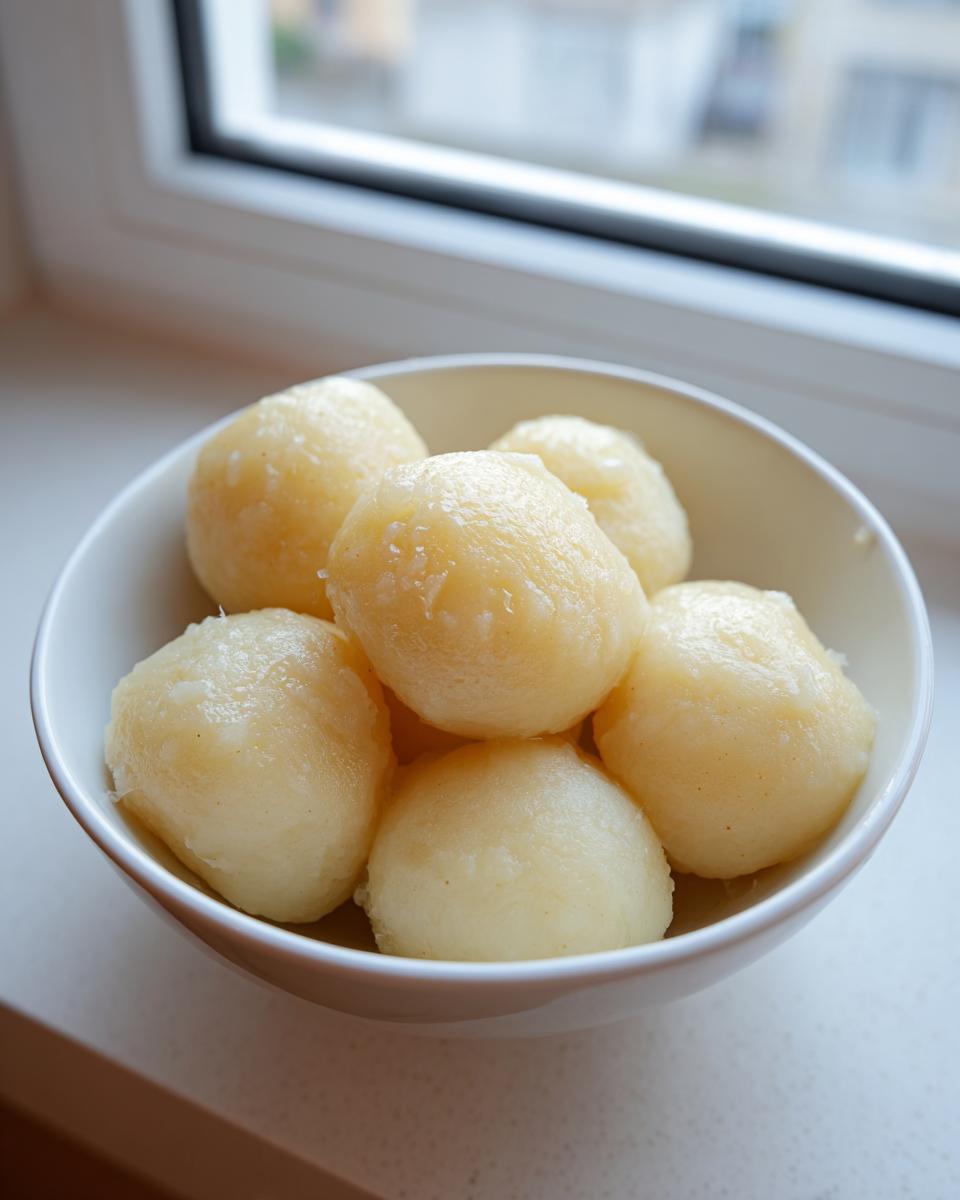
Storage and Reheating Classic Old World Comfort Food Potato Dumplings
Even though these potato dumplings are usually gobbled up immediately because they are just too good to leave behind, life happens! Maybe you made a double batch for a big family meal, or maybe you just enjoy having leftovers of this truly classic old world comfort food on hand for quick lunches. How you store and reheat them is really important if you want to keep that signature fluffy texture we worked so hard to achieve.
The key thing to remember is that cooked starch needs moisture reintroduced when reheating, otherwise, it dries out and gets tough. Don’t let that stop you from enjoying these dumplings again!
Storing Cooked Potato Dumplings
If you have leftovers, the best scenario is refrigerating them within two hours of cooking. Place the dumplings in a shallow, airtight container. Before sealing, I always toss them with just a tiny film of melted butter. This might sound small, but that fat barrier is essential—it stops them from drying out and sticking to each other while they chill in the fridge. They should keep well for about three days this way.
For longer storage, freezing is absolutely the way to go. You must freeze them *after* they have been boiled and lightly buttered. Lay them out in a single layer on a baking sheet lined with parchment paper. Pop that sheet in the freezer for about two hours until they are rock solid. Once they are hard little lumps, you can transfer them all into a heavy-duty freezer bag. This flash-freezing method prevents them from clumping into one giant potato snowball!
Reheating Potato Dumplings to Preserve Fluffiness
Now, when it’s time to eat them again, we have to treat them gently. Microwaving is fast, but it often turns the outsides spongey or chewy, so I try to avoid it if possible for these potato dumplings. The absolute best method is steaming or simmering them back to life. Bring a pot of water to that same gentle simmer—remember, no heavy rolling boil! Drop the refrigerated or frozen dumplings right back into the barely simmering water. They only need about 5 to 8 minutes until they are heated through and soft again. You’ll know they are ready when they feel plump and soft to the touch.
If you are short on time, you can pan-fry them! If you are reheating refrigerated dumplings, toss them in a hot skillet with a little butter until they are golden on the outside. This works best if you want to turn them into those crispy beauties we talked about earlier—a total win-win!
Frequently Asked Questions About Easy Potato Dumplings Recipe
I know you’ve got questions brewing! When you’re tackling something as traditional as German Kartoffelkloesse, you want to make sure you get that iconic texture just right. I’ve gathered the most common sticking points readers ask me about when trying to make the best potato dumplings. Jump into these FAQs, and you’ll be serving up incredible results next time you need an easy potato dumplings recipe! If you’re looking for simpler fare that still delivers on comfort, you might want to browse my collection of easy weeknight dinners while you have your recipe open.
Can I use instant mashed potatoes for potato dumplings?
Oh, honey, please don’t! While I love a shortcut when it comes to easy weeknight dinners, instant flakes just won’t cut it here. Instant potatoes lack the natural starch structure we need to create that airy, fluffy texture that defines authentic potato dumplings. They tend to absorb liquid differently than fresh mash, and you end up with something dense and gluey, rather than light. For the best results, we really need that freshly boiled and riced Russet!
What is the difference between German Kartoffelkloesse and Polish Kopytka recipe?
That’s a great question because both are based on those lovely mashed potatoes! The main difference is usually shape, density, and sometimes the ratio of raw to cooked potato if you are aiming for true authenticity. German Kartoffelkloesse are often rounder, larger, and usually rely more heavily on cooked potato mixed with flour and egg to achieve that perfect chew. The Polish Kopytka recipe, on the other hand, is often simpler—sometimes requiring only four ingredients—and they are typically cut into those diamond or lozenge shapes. If you need something super quick, the Kopytka style often reads more like an easy potato dumplings recipe because the shaping is faster, but both are wonderful comfort foods!
How do I stop my potato dumplings from falling apart?
This is almost always down to two things: water temperature or how much you handled the dough. First, let’s talk water: if your water is in a rolling boil, it’s too rough! That violent churning will tear the outside of the dumpling before the center can set. You need a gentle simmer—water that is just barely trembling. Second, remember what I said about mixing? If you overwork the dough when adding that flour and egg, you develop the gluten too much, making the dough weak and overly elastic. When you gently roll your homemade dumplings side dish, handle them with soft hands. If the dough feels salvageable but sticky, dust your hands with a little flour, but avoid adding too much to the dough itself!
Estimated Nutritional Data for Homemade Potato Dumplings
I always like to give you a guideline of what you’re looking at nutritionally when you make these incredible dishes from scratch. Knowing what’s in our food is important, even with something as delightfully comforting as this side dish! Please remember that these numbers are just estimates based on the simple ingredients listed in the recipe. If you add extra butter for that beautiful finish or serve them swimming in a rich gravy, those totals will certainly go up!
Here is the breakdown based on two dumplings serving as one serving size:
- Serving Size: 2 dumplings
- Calories: 210
- Fat: 2.5g
- Saturated Fat: 1.5g
- Trans Fat: 0g
- Cholesterol: 30mg
- Sodium: 150mg
- Carbohydrates: 45g
- Fiber: 3g
- Sugar: 0.5g
- Protein: 5g
As you can see, they are quite low in fat and sugar on their own, which is why they pair so perfectly with fattier gravies and sauces—they are the perfect canvas! It’s wonderful to know that something so delicious and filling can be nearly fat-free before we dress it up for the table. Enjoy knowing exactly what you’re eating when you serve up this classic!
Share Your Experience Making These Comfort Food Potato Recipes
That’s it! You have successfully turned humble potatoes into the most beautiful, satisfying homemade dumplings side dish. Isn’t that amazing? That feeling of accomplishment when you pull those perfectly plump potato dumplings out of the simmering water is second to none. My hope, coming from my own home kitchen to yours, is that this recipe brings the same warmth and tradition to your table that it brings to mine.
Here at DeliceRecipe, we thrive on community, and I just *love* hearing how your versions turned out! Did you serve them with a rich beef gravy, or maybe you tried frying them up the next day? Did you stick to the traditional German style, or did you find yourself leaning toward those simpler Polish versions?
Please, don’t be shy! Leave a star rating right here on the recipe card below. A rating helps other home cooks who are looking for reliable, tested recipes know they can trust this one. Even better, drop a comment! I read every single one and love seeing your feedback. It helps me know what to write about next. Maybe your favorite way to serve these dumplings is ladled over my easy chicken pot pie casserole next time you make it—let me know!
If you snapped a picture of your beautiful golden-brown creations or your feast ready for gravy, please tag us on social media! Seeing your kitchen triumphs is always the very best part of my week. Happy cooking, and I can’t wait to see your results!
Print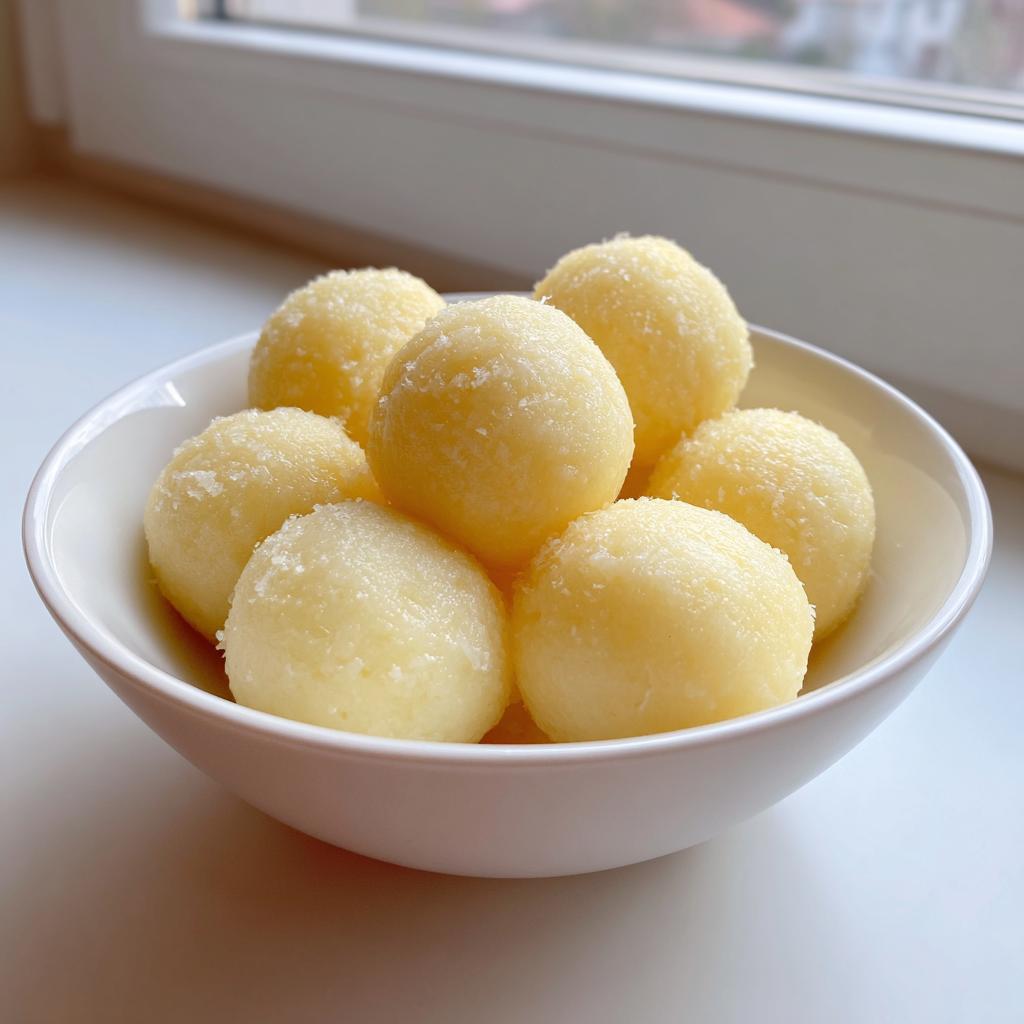
Classic German Potato Dumplings (Kartoffelkloesse)
Make soft, fluffy German potato dumplings from scratch. This recipe delivers authentic Kartoffelkloesse, a comforting side dish perfect for soaking up gravy or serving with roasts.
- Prep Time: 25 min
- Cook Time: 30 min
- Total Time: 55 min
- Yield: 4 servings 1x
- Category: Side Dish
- Method: Boiling
- Cuisine: German
- Diet: Vegetarian
Ingredients
- 2 lbs starchy potatoes (like Russet), peeled
- 1 cup all-purpose flour
- 1 large egg
- 1 teaspoon salt
- Pinch of nutmeg (optional)
- Water for boiling
Instructions
- Boil the peeled potatoes in salted water until very tender. Drain them well and let them cool slightly.
- While the potatoes are still warm, press them through a potato ricer or mash them until completely smooth. You must avoid lumps.
- Spread the mashed potatoes on a clean surface or large bowl and let them cool completely to room temperature.
- In a separate bowl, whisk the egg with the salt and nutmeg, if using.
- Add the egg mixture and the flour to the cooled potatoes. Gently mix everything together until just combined into a smooth dough. Do not overmix.
- Divide the dough into portions. Roll each portion into a log about 1 inch thick, then cut the logs into 1.5-inch pieces. Gently roll each piece between your palms to form a smooth, round dumpling shape.
- Bring a large pot of salted water to a gentle simmer (do not boil rapidly).
- Carefully drop the dumplings into the simmering water. Do not overcrowd the pot.
- Cook the dumplings until they float to the surface, then let them simmer for an additional 3 to 5 minutes.
- Remove the cooked dumplings with a slotted spoon and place them in a serving dish. Toss gently with melted butter to prevent sticking.
Notes
- For the fluffiest dumplings, use half cooked potatoes and half raw grated potatoes, squeezing all excess liquid from the raw portion before mixing.
- These dumplings pair well with rich gravy or roast meats.
- If you prefer a fried variation, pan-fry the boiled dumplings in butter until golden brown; these are similar to Schupfnudeln.
Nutrition
- Serving Size: 2 dumplings
- Calories: 210
- Sugar: 0.5
- Sodium: 150
- Fat: 2.5
- Saturated Fat: 1.5
- Unsaturated Fat: 1.0
- Trans Fat: 0
- Carbohydrates: 45
- Fiber: 3
- Protein: 5
- Cholesterol: 30