
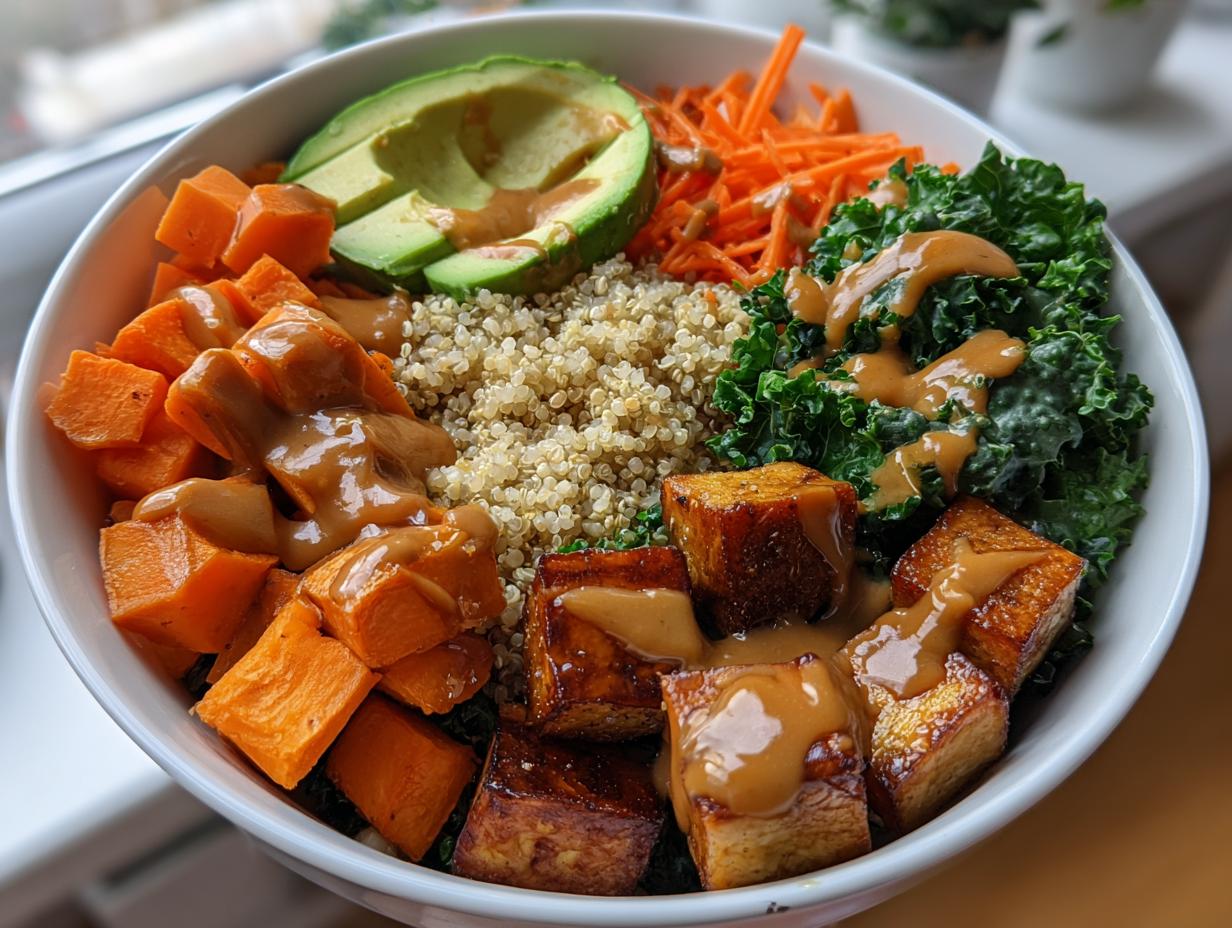
Oh, stop right there! If you’re like me, you look at those vibrant photos online and think, “I wish my weeknight dinners looked that colorful and actually tasted amazing!” Well, promise me you’ll stop scrolling and start building, because I have cracked the code on the ultimate customizable vegan buddha bowl. This isn’t about fussy garnishes or complicated prep; this is about Eleanor Vance’s core belief: delicious food should be simple, reliable, and bring joy to your table. We’re taking simple, whole ingredients and turning them into satisfying, powerhouse bowls perfect for anything from a quick vegan lunch to a gorgeous, energy-packed dinner.
- Why This Customizable Vegan Buddha Bowl is Your New Favorite Meal
- Essential Ingredients for Your Vegan Buddha Bowl
- Step-by-Step Instructions for the Ultimate Vegan Buddha Bowl
- Tips for Perfect Vegetarian Meal Prep Bowls
- Making Your Tofu Buddha Bowl Recipes Your Own: Variations
- Storage and Reheating for Your Nourish Bowls
- Frequently Asked Questions About the Vegan Buddha Bowl
- Estimated Nutritional Snapshot for This Healthy Vegan Meal
- Share Your Perfect Vegan Buddha Bowl Creation
Why This Customizable Vegan Buddha Bowl is Your New Favorite Meal
Look, I understand the weeknight dinner struggle. You want something packed with flavor, that looks amazing, but you don’t want to spend forever chopping things you’ve never heard of. That’s why I keep coming back to this structure time and time again. It’s foolproof, I promise! We have tested this formula relentlessly across seasons and protein swaps, and it always delivers those amazing healthy vegan meals you’re craving.
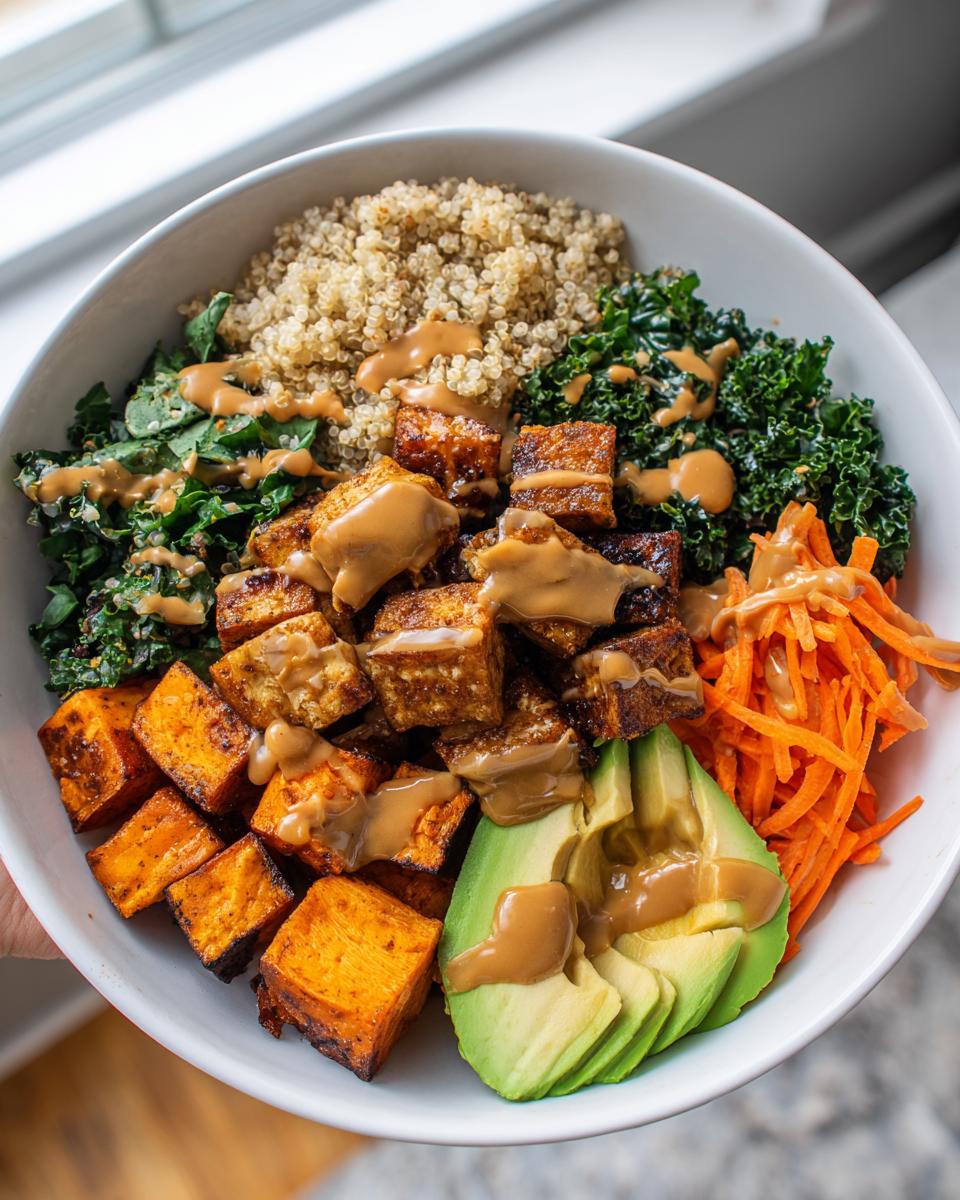
- It’s endlessly versatile—tired of sweet potato? Swap it out tomorrow!
- We focus on whole foods, so you feel energized, not sluggish afterward.
- Perfect for batch cooking! It makes prep a breeze for grabbing a quick vegan lunch later in the week.
Building a Perfect Vegan Buddha Bowl: The Formula
The beauty of the vegan buddha bowl, or what some call a nourish bowl, is that it follows a simple blueprint. Once you know the roles each section plays, you never need a strict recipe again! You just need five main building blocks per bowl. First, your foundation is the grain base—that’s the satisfying substance that keeps you full. Next up is protein; always include a solid plant-based source like tofu or beans. Then, you need some roasted goodness—hot, caramelized veggies add incredible depth. Balance that heat with fresh, crisp items like raw carrots or greens. Don’t forget crunch! A few nuts or seeds make a huge difference. Finally, it all gets tied together with a spectacular dressing. It’s that easy to learn how to build a buddha bowl!
Essential Ingredients for Your Vegan Buddha Bowl
Okay, let’s talk components! Since this recipe is all about customization, I’m laying out exactly what we use below to get that amazing sweet potato chickpea bowl combination, but remember, you can freestyle once you see the structure. When I list the specific items, pay close attention to the preparation notes—that’s where the trust factor comes into play, ensuring your vegan buddha bowl turns out perfectly every time. If you ever need a good reminder on making great roasted items, check out my notes on baking techniques, even though that’s for cake, the heat management principles stick!
For the Grain Base and Roasted Components
This is the hearty foundation that holds everything up. Make sure your sweet potato is diced up nicely before it hits the oven!
- 1 cup dry quinoa (or if you want to save time, use brown rice, but quinoa has a better texture for these quinoa bowl combinations, trust me).
- 2 cups water or vegetable broth for cooking that quinoa.
- 1 large sweet potato, peeled and diced into about half-inch pieces.
- 1 tablespoon olive oil for tossing the sweet potatoes.
Protein Sources: Tofu and Chickpeas
For this version, we are leaning into tofu and chickpeas, but you could easily use lentils if you prefer! The tofu step is crucial here; you absolutely must press out that excess water first, otherwise, it won’t get that satisfying baked texture.
- 1 block (14 oz) extra-firm tofu, pressed *very well* and then cubed.
- 1 tablespoon soy sauce or tamari for marinating the tofu.
- 1 teaspoon smoked paprika for that smoky kick—don’t skip it!
- 1 can (15 oz) chickpeas, make sure you rinse them super well and drain them.
Don’t forget your fresh components too! We need:
- 1 cup chopped kale or spinach (the denser the green, the better it holds up!).
- 1/2 cup shredded carrots.
- 1/4 cup sliced avocado for creamy goodness.
For the Peanut Dressing: The Best Vegan Dressings
Honestly, you could just eat this dressing with a spoon. It takes like three minutes, and it really elevates this beyond just a pile of vegetables. This is definitely one of the best vegan dressings I’ve ever developed!
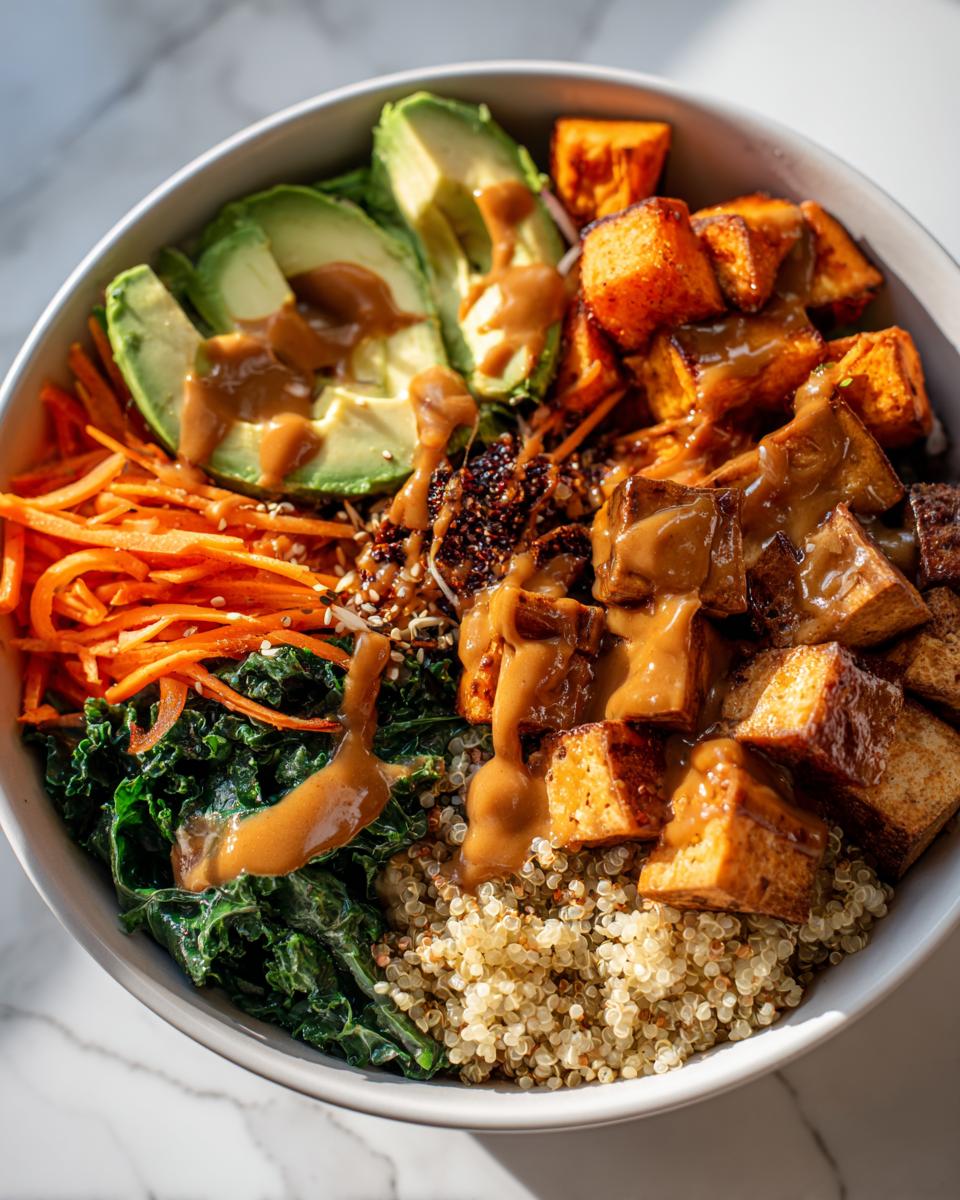
- 1/4 cup creamy peanut butter (the natural kind works best here).
- 2 tablespoons warm water—this helps smooth everything out.
- 1 tablespoon fresh lime juice for necessary brightness.
- 1 teaspoon maple syrup, just to balance the salt and lime.
- 1 teaspoon soy sauce or tamari.
When you whisk this all together, you might need to add just a tiny splash more water until it’s perfectly pourable, ready to drizzle over your whole creation.
Step-by-Step Instructions for the Ultimate Vegan Buddha Bowl
This is where the magic happens, and I promise it flows together faster than you’d think! Since we have three components cooking at once—the grain, the tofu, and the sweet potato—it feels like a professional kitchen setup, but really, it’s just good timing. Don’t stress if your oven is crowded; as long as you get that nice caramelization on the veggies and tofu, you’re set. We are building layers of texture and flavor here for a truly gorgeous, colorful vegan dinner!
Cooking the Base and Roasting Elements
First things first, get that oven heating up to 400°F (200°C)! Start your grains. Combine that cup of dry quinoa with two cups of broth or water in a saucepan. Bring it to a quick boil, then cover it up tightly and drop the heat way down low for about 15 minutes until all that liquid is gone. Then, leave it alone for five minutes off the heat before fluffing! If you want tips on roasting sweet potatoes until they are unbelievable, check out my guide on baking techniques.
Once your quinoa is resting, tackle the roasted items. Toss your diced sweet potato with just one tablespoon of olive oil and spread it on a baking sheet. For the tofu, put those cubes in a bowl and toss them with your tamari and smoked paprika until they look nicely spiced. Put both the tofu and the sweet potatoes into the oven for about 20 to 25 minutes. Remember to flip the tofu partway through so both sides get golden brown and delicious. They should be tender and toasted when done!
Mixing the Creamy Peanut Dressing
This dressing should be made while things are roasting so it’s ready exactly when you pull everything out. In a small bowl, combine all those peanut dressing ingredients: the peanut butter, the warm water, lime juice, maple syrup, and soy sauce. Grab a whisk and go to town! Keep whisking until everything is smooth and totally emulsified. If it seems too thick to gently drizzle over everything—and you want that lovely ribbon effect for your vegan buddha bowl—just add another teaspoon of warm water until it loosens up. Trust me, you’ll want to make extra!
Assembling Your Colorful Vegan Dinner
Now for the best part: arranging! This is what makes the vegan buddha bowl so satisfying to look at. Start with a generous scoop of your fluffy quinoa base in the bottom of your bowl—this is essential for any good nourish bowls assembly. Next, arrange your other components artistically in separate mounds radiating out from the center: the warm roasted sweet potato chunks, the crispy baked tofu cubes, the rinsed chickpeas, the fresh kale, and finally, those pretty avocado slices.
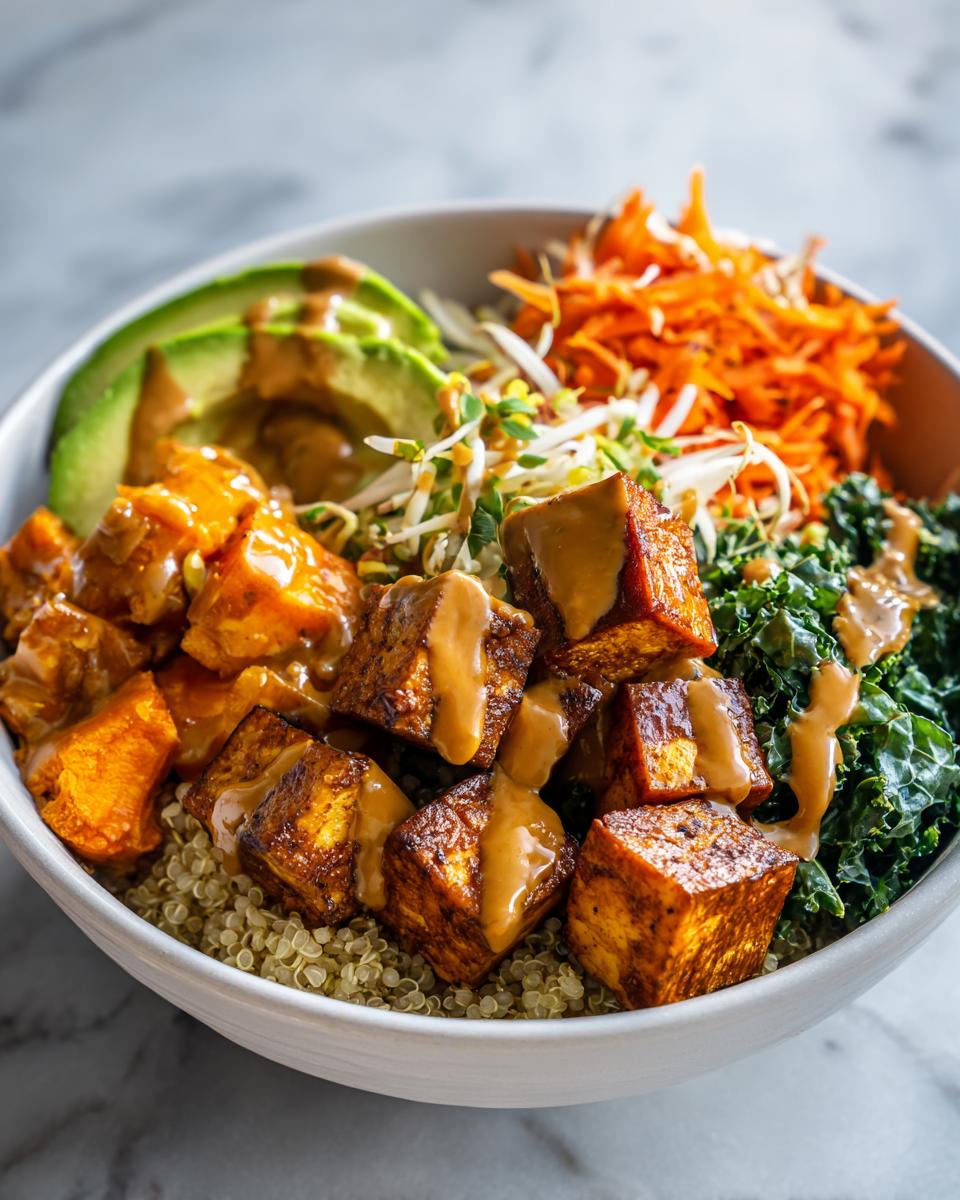
Don’t just plop the dressing onto one ingredient! Take your Peanut Dressing and drizzle it lovingly over the entire bowl. Seeing that creamy sauce coat all those bright colors is the payoff for all your hard work. Enjoy that incredible first bite!
Tips for Perfect Vegetarian Meal Prep Bowls
I absolutely live and die by meal prepping these bowls, especially for a super easy quick vegan lunch during the work week! The key to making these vegetarian meal prep bowls last the full three or four days without getting soggy is separating everything out. The warm elements—the quinoa, the roasted sweet potatoes, and the tofu—are totally fine to cook all at once and keep together in your container.
However, heed my warning: do *not* put that gorgeous peanut dressing on until you are ready to eat! If you mix that creamy sauce in with the kale and avocado ahead of time, everything goes limp and sad by lunchtime the next day. I find that keeping the dressing in a tiny separate container, maybe one of those handy little reusable sauce cups, preserves the integrity of all those fresh components. If you struggle with packing lunches in general, I’ve got some great tips over at my post about easy meal prep that might help streamline your system!
Making Your Tofu Buddha Bowl Recipes Your Own: Variations
Okay, now that you’ve mastered the foundational peanut-sauce tofu version, it’s time to start playing! This is what I love most about the vegan buddha bowl concept—it’s supposed to evolve with what you have on hand. I don’t want you eating the exact same thing every day, even if it’s delicious! Think of what I gave you as the absolute perfect starting point for all your future tofu buddha bowl recipes, but now we’re going to stretch those creative muscles.
The beauty of keeping these recipes flexible is that they always fit into a whole food plant based diet. If you’re looking for a fantastic side salad to complement those bowls, or maybe another variation on chickpeas, I always turn to my Mediterranean salad ideas for inspiration that can easily translate into bowl toppings!
Alternative Grain and Vegetable Swaps
Let’s start with the base. If you’re tired of quinoa—and I get it, sometimes you just wake up craving something different—you can easily swap it out. Farro has this wonderful chewy texture that holds up beautifully, and honestly, leftover brown rice works perfectly well too for an easy grain bowls recipe.
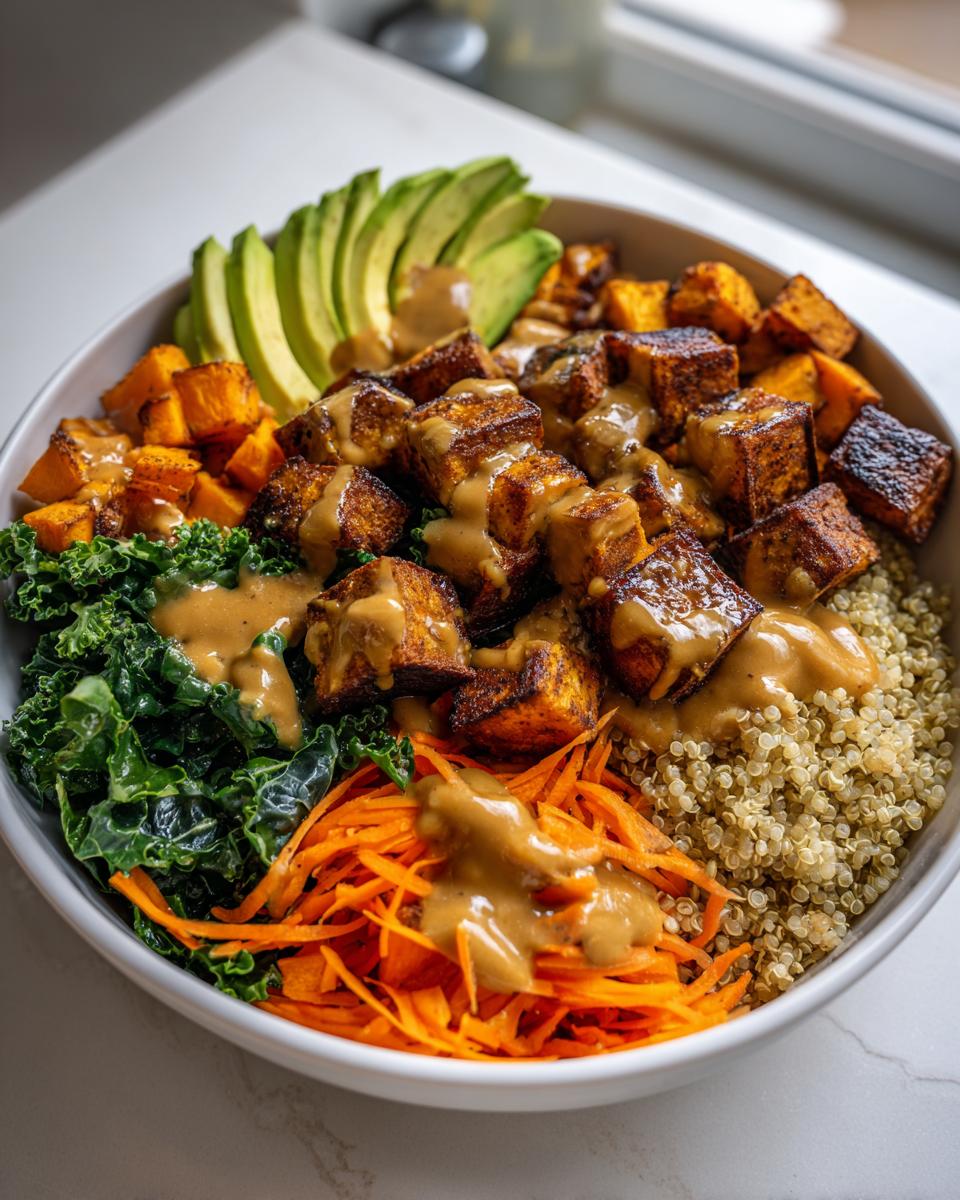
When we talk about vegetables, this is where you use whatever is beautiful at the farmer’s market that week. Those roasted sweet potatoes can become roasted butternut squash, or maybe you want to try roasting broccoli or Brussels sprouts instead? Just toss them lightly in that same olive oil and roast them until the edges look crispy and they start to brown up. That caramelization is pure flavor gold, making your quinoa bowl combinations feel totally new even if the dressing stays the same.
And don’t forget protein! If you’re not feeling tofu this week, swap it out for a cup of cooked lentils or maybe some steamed edamame. It keeps the bowl balanced and ensures you keep getting those satisfying healthy vegan meals throughout the month!
Storage and Reheating for Your Nourish Bowls
These nourish bowls are absolutely champions for leftovers, but only if you treat the components right! I cannot stress this enough: the secret to having a fantastic lunch on Wednesday that you made on Sunday rests entirely on keeping the wet stuff away from the dry stuff.
For meal prepping this vegan buddha bowl, think separate containers for everything besides the grains. The cooked quinoa, the roasted sweet potato, and the baked tofu can all hang out together happily in one airtight container in the fridge for up to four days. They reheat beautifully in the microwave—just give them a quick 45 seconds to warm up the starch and protein.
The things that go soft—the raw kale, the shredded carrots, and especially that beautiful avocado slice—should be zipped up separately. And, of course, the dressing needs its own little buddy container. If you want my best tips on how to keep your meal prepped greens looking fresh and crisp, check out what I do over in my guide for the sweet potato and kale salad prep. When you are ready to eat, just assemble your cold items, reheat your warm bits, and pour that gorgeous peanut dressing over the top. Easy peasy!
Frequently Asked Questions About the Vegan Buddha Bowl
I know you might have a few lingering questions once you try this out—that’s totally normal when you start customizing! Over the years, I’ve collected so many reader questions on building these, and I’m happy to share the answers here. Think of this section as me giving you a quick, friendly chat over coffee about how to make sure your next nourish bowl turns out exactly how you pictured it. We want every bowl to be a full, satisfying, whole food plant based bowl experience!
Can I use a different grain besides quinoa in my plant based lunch ideas?
Oh, absolutely! I love quinoa because it cooks relatively fast and has a nice little pop, but there is zero reason you have to stick to it. If you’re looking for some variety in your rotation of plant based lunch ideas, definitely switch it up based on what you love or what’s on sale! Brown rice is a classic, sturdy choice that works magnificently. If you want something chewier, farro is a fantastic, hearty option that tastes amazing when a little toasted.
If you want more guidance on making sure your grains are perfect every time, even as you try new ones, you can always check out my tips for an easy grain bowls recipe guide!
What is the best way to get crispy tofu for my tofu buddha bowl recipes?
This is probably the number one question I get about any of my tofu dishes! Soggy tofu is just no good, right? The absolute key, which I stressed earlier, is pressing it. You have to spend 20 minutes pressing out all that water so that the marinade can actually soak in and the tofu can firm up instead of steaming itself in the oven. Once it’s pressed, I swear by baking it. Toss it lightly with just a tiny bit of oil and plenty of seasoning—the 400°F oven seems to provide the best dry heat to get those nice golden, crispy edges we look for in your tofu buddha bowl recipes. An air fryer works great too if you have one, just follow your machine’s high-heat setting!
Estimated Nutritional Snapshot for This Healthy Vegan Meal
Now, I know some of you are tracking macros or just curious about how filling this bowl truly is. I always want to be transparent about what’s in the nutrition breakdown. Keep in mind that since this is the ultimate customizable vegan buddha bowl, these numbers reflect the exact combination laid out in the recipe above—the peanut dressing, the quinoa, the sweet potato, and the tofu. If you swap out brown rice for quinoa, or use a tahini dressing instead of peanut butter, those numbers will shift a little bit, of course!
But for this specific iteration of our healthy vegan meal, here’s what you generally see per serving. It’s proof that satisfying, whole food plant based eating keeps you full without weighing you down!
- Calories: Roughly 550 per serving
- Protein: A whopping 25 grams! That’s fantastic for balancing out your day.
- Total Fat: Around 25 grams (remember, a lot of this is healthy unsaturated fat from the peanut butter and avocado).
- Carbohydrates: About 65 grams.
- Fiber: A huge 15 grams—that’s what keeps the energy steady and your digestion happy!
We’ve zero cholesterol here, naturally, since we are keeping it completely plant-based. Isn’t that just wonderful? Cooking a beautiful, robust meal that feels good inside and out is the whole point behind these bowls.
Share Your Perfect Vegan Buddha Bowl Creation
Now that you have the tools, the formula, and all the best tips for making these bowls shine—whether you are prepping them on a Sunday or throwing one together for a super quick vegan lunch—I truly want to see what you come up with! Eleanor Vance believes that food is about connection, and I consider all of you part of our kitchen family now.
When you make this ultimate vegan buddha bowl, snap a picture! I am such a sucker for seeing how everyone arranges their sections. Those vibrant colors really pop, don’t they? It’s proof that healthy eating doesn’t have to be boring. Tag us on social media so I can see your stunning work; I love getting inspired by your unique quinoa bowl combinations and your beautiful plating!
If you found this guide helpful, please leave a quick star rating right here on the page. It helps other home cooks find the recipe and know that my straightforward methods really do work! And hey, if you’re looking for another bright, fresh flavor profile to mix things up next week, you might want to take a look at my recipe for a wonderful citrus salad—it brings that same kind of clean, energizing flavor to the table!
PrintThe Ultimate Customizable Vegan Buddha Bowl Recipe
Learn how to build a perfect, colorful vegan Buddha bowl using simple, whole food ingredients. This guide provides a base structure and suggestions for creating your own nourish bowls.
- Prep Time: 20 min
- Cook Time: 30 min
- Total Time: 50 min
- Yield: 4 servings 1x
- Category: Lunch
- Method: Baking and Stovetop
- Cuisine: American Fusion
- Diet: Vegan
Ingredients
- 1 cup dry quinoa (or brown rice)
- 2 cups water or vegetable broth
- 1 block (14 oz) extra-firm tofu, pressed and cubed
- 1 tablespoon soy sauce or tamari
- 1 teaspoon smoked paprika
- 1 large sweet potato, peeled and diced
- 1 tablespoon olive oil
- 1 can (15 oz) chickpeas, rinsed and drained
- 1 cup chopped kale or spinach
- 1/2 cup shredded carrots
- 1/4 cup sliced avocado
- For the Peanut Dressing: 1/4 cup peanut butter, 2 tablespoons warm water, 1 tablespoon lime juice, 1 teaspoon maple syrup, 1 teaspoon soy sauce
Instructions
- Cook the quinoa: Combine quinoa and water/broth in a saucepan. Bring to a boil, reduce heat, cover, and simmer for 15 minutes, or until liquid is absorbed. Fluff with a fork.
- Prepare the tofu: Toss cubed tofu with soy sauce and smoked paprika. Bake at 400°F (200°C) for 20 minutes, flipping halfway, until golden.
- Roast the sweet potato: Toss diced sweet potato with olive oil. Roast alongside the tofu for 20-25 minutes until tender.
- Prepare the dressing: Whisk together all peanut dressing ingredients until smooth. Add more water if needed to reach a drizzling consistency.
- Assemble the bowls: Divide the cooked quinoa among four bowls. Arrange the roasted sweet potato, baked tofu, chickpeas, kale, carrots, and avocado in separate sections over the grain base.
- Serve immediately with the peanut dressing drizzled over the top.
Notes
- For meal prep, store the dressing separately and add it just before eating to keep the greens crisp.
- You can substitute tofu with lentils or edamame for a different protein source.
- To make this a quick vegan lunch, use pre-cooked grains or microwaveable pouches.
- Try different whole food plant based bowl combinations by swapping roasted vegetables like broccoli or Brussels sprouts.
Nutrition
- Serving Size: 1 bowl
- Calories: 550
- Sugar: 10
- Sodium: 450
- Fat: 25
- Saturated Fat: 3
- Unsaturated Fat: 22
- Trans Fat: 0
- Carbohydrates: 65
- Fiber: 15
- Protein: 25
- Cholesterol: 0