

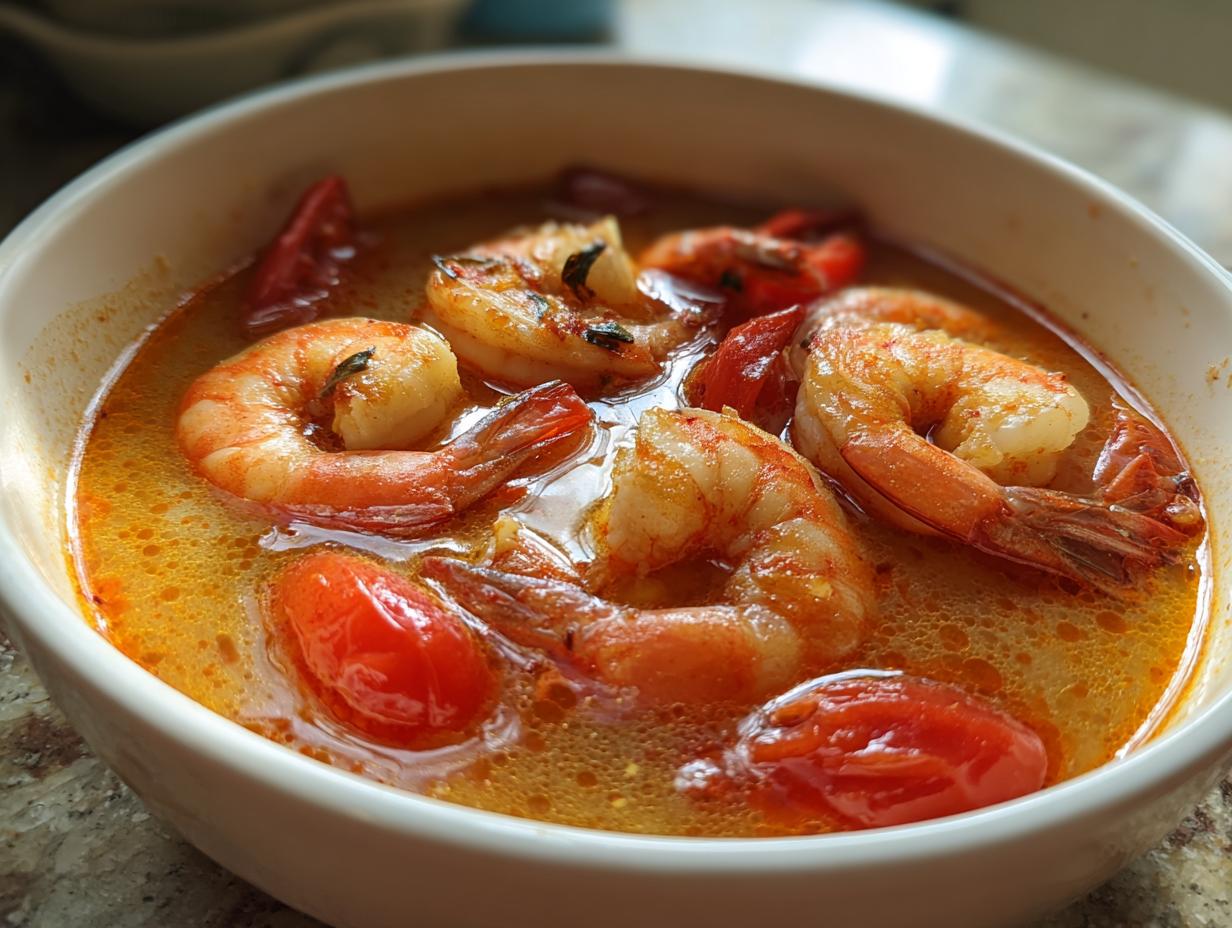
I don’t know about you, but sometimes I just crave that incredible flavor bomb that only Thai food can deliver. That perfect, mind-blowing clash of hot, sour, and intensely aromatic herbs? If you’ve been dreaming of authentic **tom yum soup** but felt intimidated by the ingredient list, trust me—I get it. That’s why, here at DeliceRecipe, Ellie Vance is obsessed with making complex flavors accessible for your weeknight kitchen. This recipe for the classic Shrimp **Tom Yum Goong** gives you that vibrant, restaurant-quality punch you crave, and the best part? It’s ready in under 30 minutes. Get ready for your new favorite spicy dinner idea!
- Why This Authentic Tom Yum Soup Recipe Works for Weeknight Thai Meals
- Essential Ingredients for Bold Flavor Tom Yum Soup
- Step-by-Step Instructions for Restaurant Quality Tom Yum Soup at Home
- Tips for Success Making the Best Tom Yum Soup
- Ingredient Notes and Substitutions for Tom Yum Soup
- Serving Suggestions for Your Spicy Thai Soup
- Storage and Reheating Instructions for Leftover Tom Yum Soup
- Frequently Asked Questions About Tom Yum Soup
- Share Your Homemade Thai Soup Recipe Experience
Why This Authentic Tom Yum Soup Recipe Works for Weeknight Thai Meals
When you’re craving bold, authentic Thai flavor, you usually expect a time sink, right? Not with this recipe! I designed this **tom yum soup** specifically to combat those takeout cravings on a busy Tuesday night. It’s incredibly fast and focuses only on the flavor essentials.
- It’s truly a 30-minute meal from start to finish.
- We skip fussy steps but keep all the aromatic integrity.
- It delivers that perfect spicy, sour punch that defines amazing Thai soup.
- It’s a great starting point if you want to explore more easy weeknight dinners!
Essential Ingredients for Bold Flavor Tom Yum Soup
For me, making a truly great **tom yum soup** isn’t just about dumping soup paste into water; it’s about building layers of flavor using those incredible Thai aromatics. If you want that genuine, mouth-watering taste, you can’t skip these herbs. Think of them as the backbone of any great **aromatic soup**! Don’t worry if some names sound scary. We’re going to prep them simply.
You absolutely need lemongrass, galangal, and kaffir lime leaves. When you prep lemongrass, smash it good with the side of your knife—we call that bruising it. That’s how you release all that amazing citrus perfume into the broth. And please, tear those kaffir lime leaves when you toss them in; tearing helps their essential oils bloom faster. This attention to the prep is what delivers that **bold flavor soup** experience.
Protein Selection: Making the Classic Tom Yum Goong
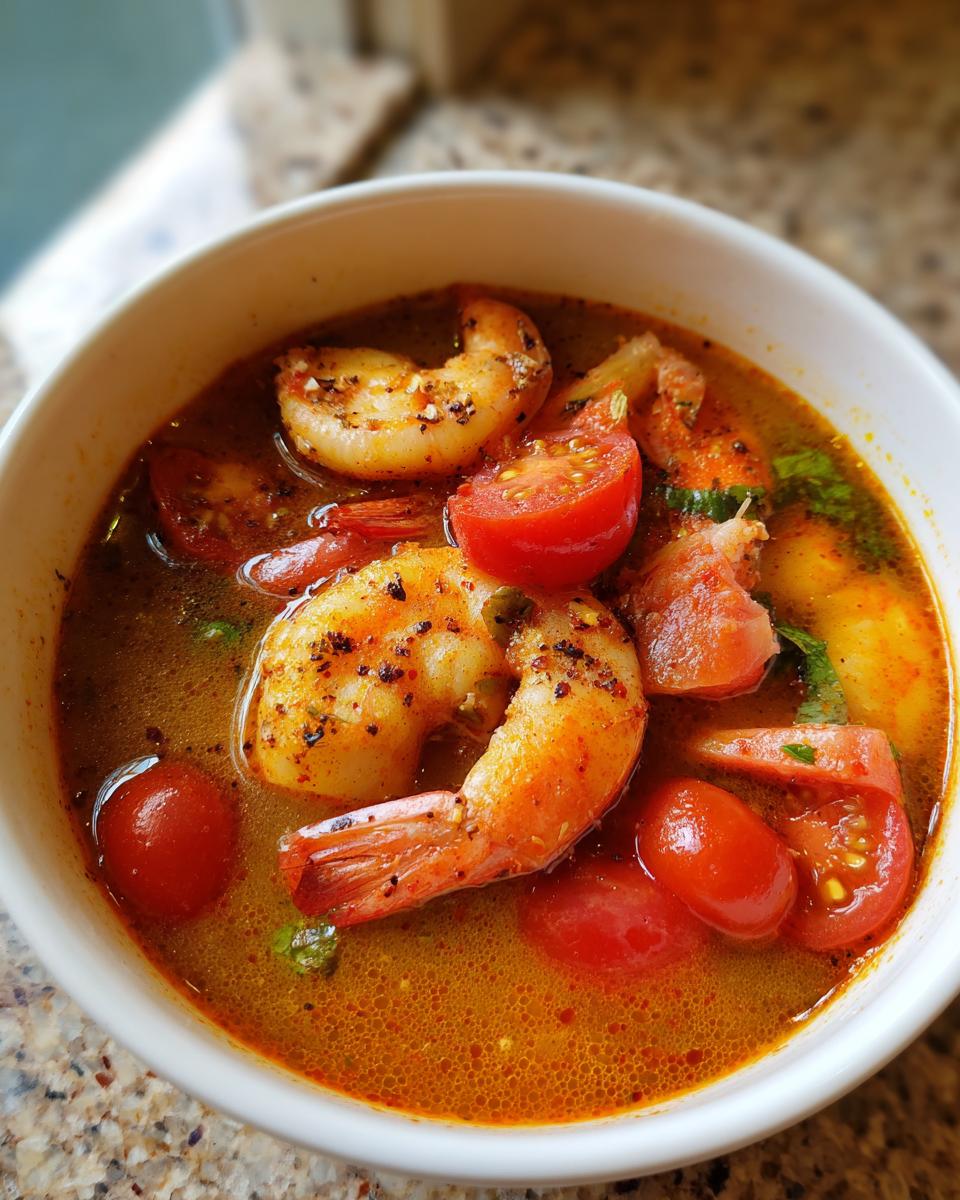
While you can certainly make this soup with chicken or even load it up with tofu for a **Vegan Tom Yum alternative**, I always default to shrimp for the classic experience—that’s what earns it the name **Tom Yum Goong**. Shrimp cooks so fast, which keeps our total time under 30 minutes, and they absorb that sour-spicy broth beautifully. It really turns this into a stunning **shrimp soup comfort food** bowl.
Step-by-Step Instructions for Restaurant Quality Tom Yum Soup at Home
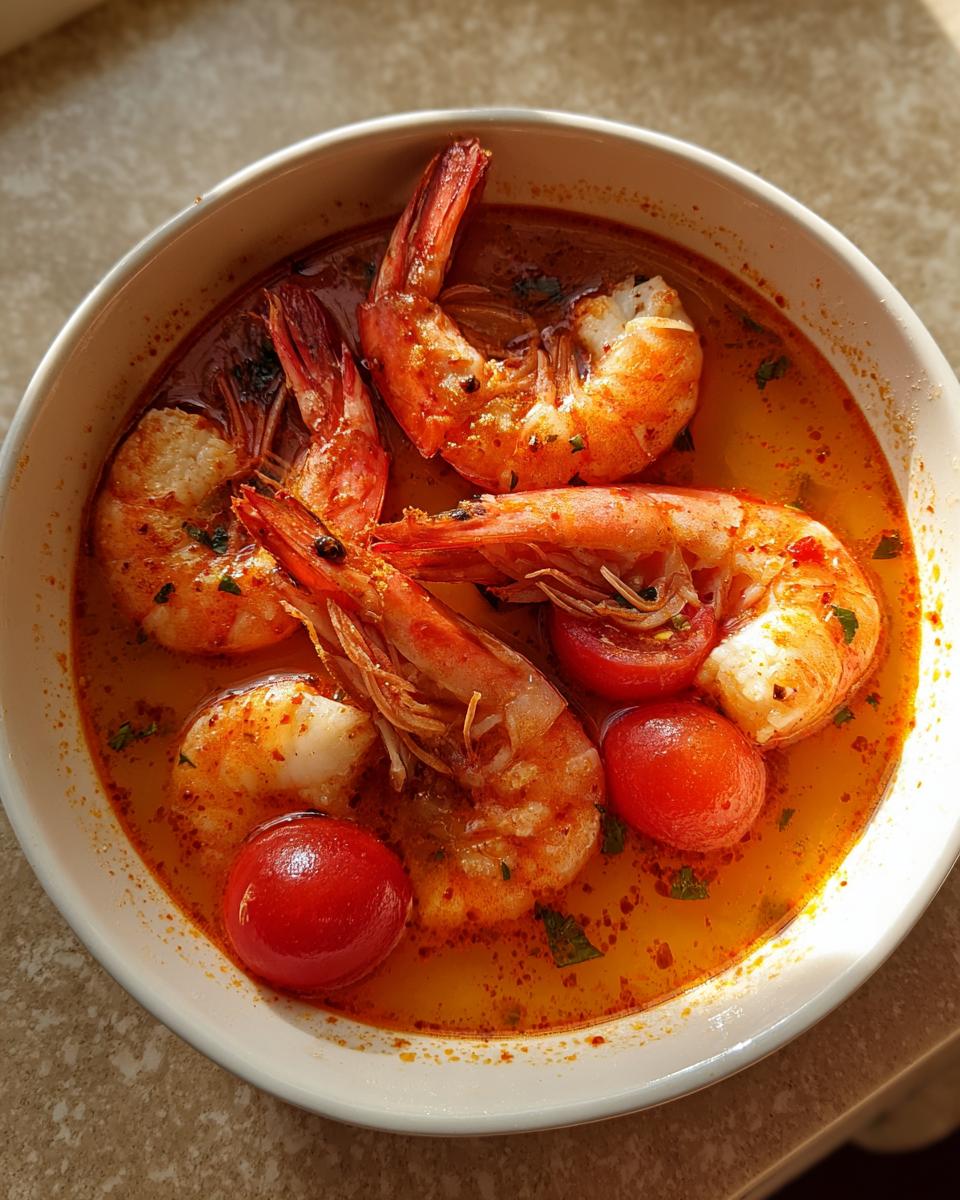
Making authentic Thai soup shouldn’t require you to clock out of your day job first! This process is quick, efficient, and designed for you to achieve **restaurant quality soup at home** even on a Tuesday. We build the flavor in two quick phases: the base infusion and the final seasoning. Just follow it in order, and you’ll see why this recipe is such a weeknight winner.
Building the Aromatic Base of Your Tom Yum Soup
First things first, we wake up those herbs! Pour your broth in and get it simmering gently. Toss in your bruised lemongrass, galangal, and torn kaffir lime leaves right away. Let that broth simmer for a solid 5 minutes. This is where the magic happens—we are infusing the liquid with the essential perfume that makes **tom yum soup** so distinctive. Don’t rush this aromatic base step; it sets the entire tone for the bowl.
Balancing the Hot and Sour Soup Flavors
Once those herbs have done their work, stir in the chili paste, fish sauce, and sugar—that combination brings in the savory, salty, and slightly sweet notes. Next, drop in your shrimp and mushrooms. After the shrimp turn pink, pull the pot off the heat. This is absolutely essential! Stir in your fresh lime juice and crushed chilies *off the heat*. This preserves the bright sourness and keeps the shrimp tender. Taste! This is your moment to fix it—add more lime for sourness or more fish sauce if it needs salt. That’s how you get the perfect hot and sour balance!
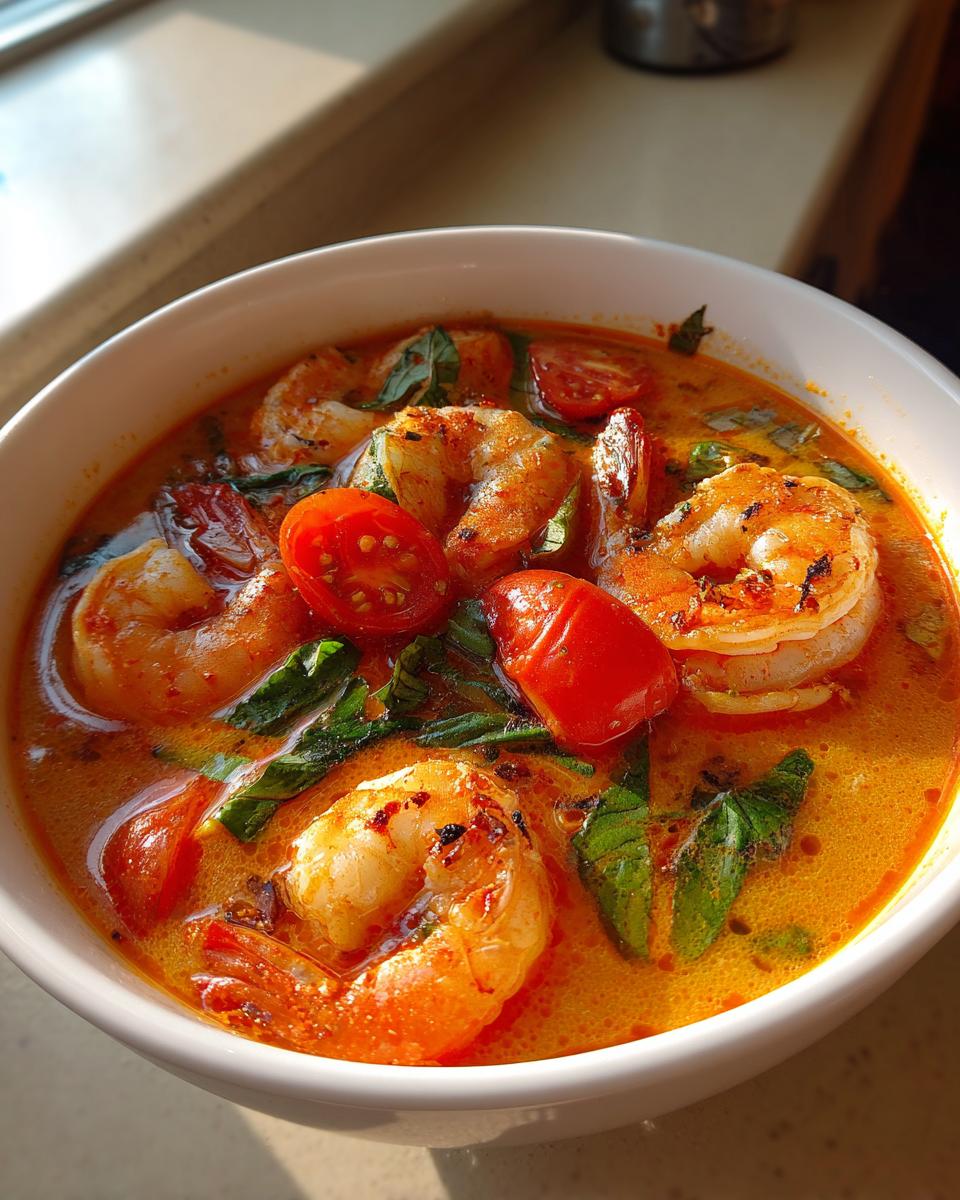
A very important note: Before serving, make sure you pull out those pieces of lemongrass, galangal, and kaffir lime leaves. Nobody wants to bite into a piece of hard galangal! If you want more details on whipping up some great sides for your next Thai adventure, check out my guide for Chicken Pad Thai.
Tips for Success Making the Best Tom Yum Soup
I’ve made this many times—and trust me, I’ve made mistakes so you don’t have to! The biggest secret to an **easy Tom Yum recipe** is really respecting those tough herbs. Remember when I told you to pull them out before serving? That’s non-negotiable! Lemongrass stalks are like woody sticks once simmered, and galangal is too fibrous to chew happily. Always tease them out before ladling into bowls.
Now, for a little customization: If you want to lean into a richer, cozier feel, you can absolutely make a creamy version, sometimes called Tom Yum Nam Khon. Right at the very end—and I mean *right* before you add the final lime juice—stir in about a quarter cup of evaporated milk or even some light coconut milk. It changes the texture completely, moving it toward a heavier, more comforting feel. If you’re looking for other comforting stovetop ideas, you might enjoy my recipe for easy stovetop cinnamon applesauce!
Ingredient Notes and Substitutions for Tom Yum Soup
I know sometimes finding those specific Thai ingredients can mean an extra trip to the Asian market, and that’s just not always practical for a **weeknight Thai meal**. Don’t let that stop you from making this amazing **tom yum soup**! I always aim for authenticity, but I also know life happens. If you can’t find galangal—which is that fantastic citrusy cousin of ginger—don’t panic! Just use fresh ginger. It won’t be 100% the same, but it gives you that necessary sharp heat. Also, if you bought shrimp, save those shells! After you simmer the broth base, you can take the shells out, simmer them for another five minutes, and strain them out before adding your paste. That makes a super quick stock base that deepens the flavor so much.
Working with Lemongrass Recipes
Lemongrass is key to that bright, clean flavor, and it doesn’t look like much when you buy it. The real technique is bruising it. Take the dry outer layers off until you hit the pale, tender inner core. Then, lay the stalk on a cutting board and smack it hard, repeatedly, with the flat side of your big chef’s knife. You’re essentially cracking it open so it releases all its fragrant oils into the broth. Once you learn to work with it for this soup, you unlock so many incredible lemongrass recipes for grilling and stir-fries, too!
Serving Suggestions for Your Spicy Thai Soup
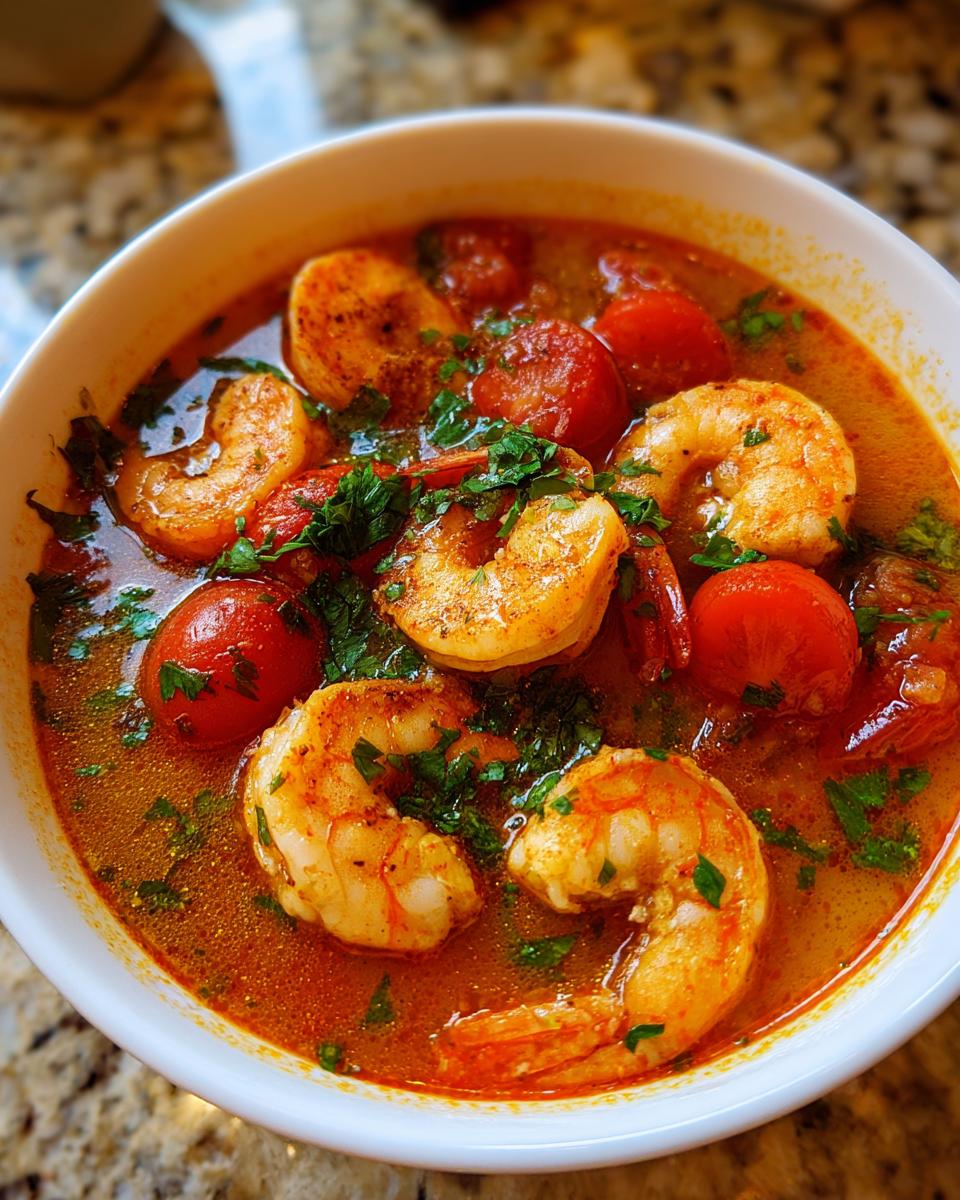
Okay, you’ve nailed the perfect heat and sour in your **spicy Thai soup**! Now, how do you serve this amazing creation? Because this **tom yum soup** has such a vibrant, assertive flavor—all that lime and chili hitting your palate—it really wants something simple alongside it to act as a cushion. Plain steamed jasmine rice is always my first choice. It soaks up the broth beautifully without fighting the aromatics.
Alternatively, think of this as the star starter for a bigger spread of **Homemade Thai cuisine**. It’s fantastic before a milder main course, like Pad See Ew or a simple stir-fry. If you’re looking for an easy but more flavorful rice side that still supports the soup, you might want to check out this great butter rice recipe. Enjoy every single spicy, savory spoonful!
Storage and Reheating Instructions for Leftover Tom Yum Soup
I always hope there are leftovers because this **Quick Asian soup** tastes even more integrated the next day—the flavors settle in beautifully! Here’s my main tip for success: if you know you won’t finish it all in one sitting, pull the shrimp out before you store the broth. Shrimp cook *so* fast, and if they sit in the hot broth overnight, they get a little rubbery when you reheat them.
Store the broth, infused with all those great herbs, in an airtight container in the fridge for about three days. When you’re ready for round two, bring the broth back up to a gentle simmer. Add back any leftover mushrooms and tomatoes, then drop in fresh, uncooked shrimp. They’ll cook through in just two minutes, and you’ll have piping hot, amazing soup again! If you’re looking for other quick culinary wins, take a peek at my recipe for quick stovetop cheesy rice!
Frequently Asked Questions About Tom Yum Soup
I always love hearing from you all! Getting these questions reminds me that even making something as amazing as **tom yum soup** can sometimes feel like a puzzle piece hunt. I’ve gathered the most common things folks ask me about mastering this classic Thai dish right at home. Don’t hesitate to reach out if you have more specific cooking dilemmas; you can always find me over on the contact page!
Can I make this Tom Yum Soup recipe vegetarian or vegan?
Oh, absolutely you can! That wonderful hot and sour broth base is very easy to adapt for a plant-based diet. You just need to swap out the chicken broth for vegetable broth—I often use a store-bought mushroom broth for a little extra savoriness. The crucial swap is the fish sauce; use a good quality soy sauce or, even better, a designated vegan fish sauce if you can find one. This creates a fantastic **Vegan Tom Yum alternative** that still hits all those flavor notes!
How do I control the spice level in my Spicy Thai soup?
This is all about respecting the heat level, right? In this recipe, the main heat sources are twofold: the Thai bird’s eye chilies you crush up, and the chili paste, known as Nam Prik Pao. If you want a milder experience, skip adding the fresh chilies altogether—that removes a huge spike of heat! You can also drastically cut down on the chili paste. Remember, you can always add more spice later, but you can’t easily take it out once it’s stirred in, so start low!
What is the difference between Tom Yum Soup and Tom Kha?
That’s a classic question! They share a lot of the same amazing aromatics—the lemongrass, galangal, and lime—but Tom Kha (Tom Kha Gai or Tom Kha Goong) is really about that creamy addition. Tom Kha has coconut milk stirred in at the end, making it rich, slightly sweet, and very comforting. This delicious **tom yum soup** is what we call ‘Nam Sai,’ meaning clear broth, focusing purely on that intense, sharp, sour-spicy punch. If you love coconut, you might want to try Tom Kha next!
Share Your Homemade Thai Soup Recipe Experience
Now that you’ve mastered the fiery, sour magic of authentic Thai cooking, I really want to hear about it! Did you stick with the classic **Shrimp soup comfort food**, or did you try a creative chicken version? Please come back and leave me a quick rating below so I know this recipe delivered for your table. Tag me in your photos when you share your vibrant bowls of **tom yum soup**—I love seeing how you bring a little bit of Thai joy into your kitchens!
If you’re curious about my journey making DeliceRecipe a reality, feel free to pop over and read more about me. Happy cooking!
PrintAuthentic Shrimp Tom Yum Goong: The Ultimate Hot and Sour Thai Soup

Make the best homemade Tom Yum Soup—Tom Yum Goong—in under 30 minutes. This authentic Thai recipe delivers the signature, vibrant hit of spicy, sour, and aromatic flavor.
- Prep Time: 10 min
- Cook Time: 20 min
- Total Time: 30 min
- Yield: 4 servings 1x
- Category: Dinner
- Method: Stovetop
- Cuisine: Thai
- Diet: Low Fat
Ingredients
- 6 cups chicken or vegetable broth
- 1 pound large shrimp, peeled and deveined
- 2 stalks lemongrass, trimmed and bruised
- 4 slices galangal (about 1 inch thick)
- 5 kaffir lime leaves, torn slightly
- 2 tablespoons Thai chili paste (Nam Prik Pao)
- 1/4 cup fresh lime juice
- 1 tablespoon fish sauce
- 1 teaspoon sugar
- 1 cup straw mushrooms or button mushrooms, halved
- 1/2 cup cherry tomatoes, halved
- 2–4 Thai bird’s eye chilies, crushed (adjust to your spice preference)
- Fresh cilantro, chopped, for garnish
Instructions
- Pour the broth into a medium pot and bring it to a simmer over medium-high heat.
- Add the bruised lemongrass, galangal slices, and torn kaffir lime leaves to the broth. Let this simmer for 5 minutes to infuse the liquid with the aromatics.
- Stir in the Thai chili paste, fish sauce, and sugar. Mix well until the paste dissolves.
- Add the mushrooms and cherry tomatoes to the pot. Cook for 2 minutes until the mushrooms soften slightly.
- Add the shrimp and cook until they turn pink and opaque, about 2 to 3 minutes. Do not overcook the shrimp.
- Remove the pot from the heat. Stir in the fresh lime juice and the crushed Thai chilies. Taste the broth; adjust sourness (more lime) or saltiness (more fish sauce) as needed.
- Discard the lemongrass stalks, galangal slices, and kaffir lime leaves before serving, or leave them in for presentation if you warn guests not to eat them.
- Ladle the hot and sour soup into bowls and garnish generously with fresh cilantro.
Notes
- For a richer flavor, you can use shrimp shells to make a quick stock base before starting the recipe.
- If you cannot find galangal, use fresh ginger as a substitute, though the flavor profile will change slightly.
- For a creamy version (Tom Yum Nam Khon), stir in 1/4 cup of evaporated milk or coconut milk at the very end, before adding the lime juice.
Nutrition
- Serving Size: 1 bowl
- Calories: 180
- Sugar: 4
- Sodium: 650
- Fat: 4
- Saturated Fat: 1
- Unsaturated Fat: 3
- Trans Fat: 0
- Carbohydrates: 15
- Fiber: 2
- Protein: 22
- Cholesterol: 160