

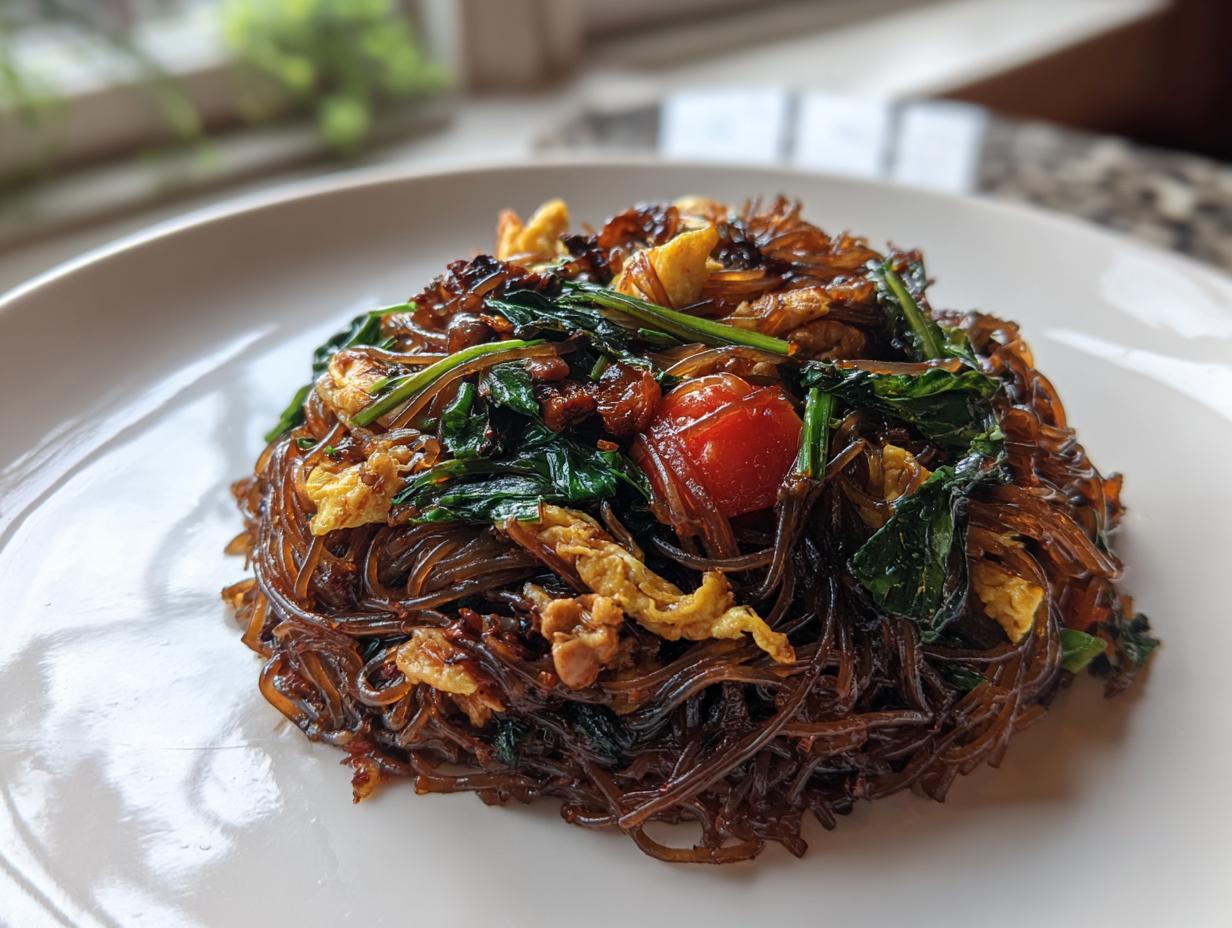
Sometimes, you just crave that punch of flavor that only truly authentic street food can deliver, right? That vibrant, spicy, slightly smoky hit that just wakes up your whole palate. For me, that craving almost always leads straight to thai drunken noodles, or Pad Kee Mao as it’s properly known. When I first tried to recreate the magic from those vibrant Bangkok stalls back home, I kept overcomplicating it. But I’ve learned the secret isn’t about adding fifteen obscure ingredients; it’s about high heat and bold flavors coming together fast. Trust me, you can capture that incredible, smoky, street-style flavor profile in under 30 minutes. It’s proof that the most memorable meals are often the simplest when done right.
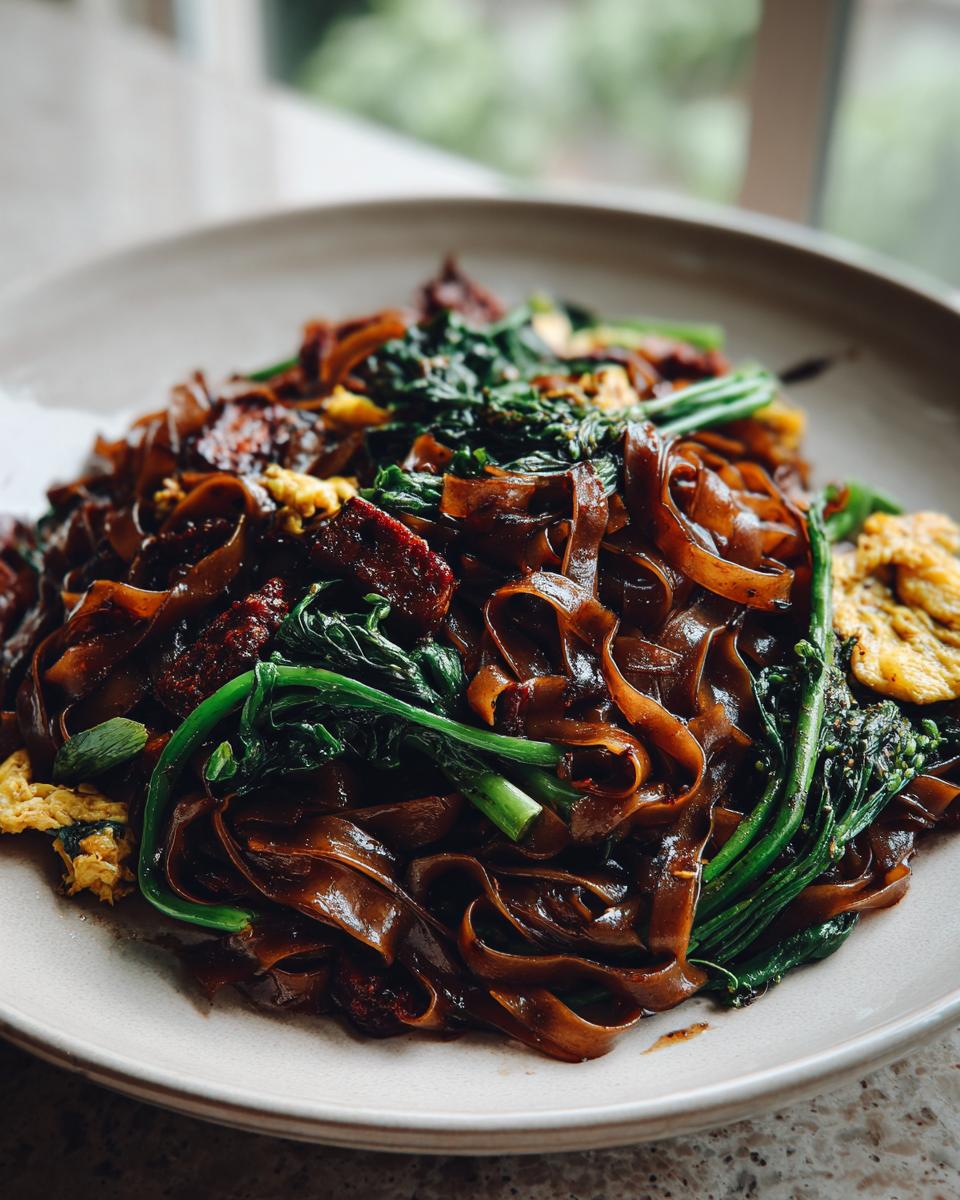
- Why This Thai Drunken Noodles Recipe Delivers Authentic Flavor
- Gathering Ingredients for Thai Drunken Noodles
- Expert Steps: How to Make Drunken Noodles Perfectly
- Ingredient Notes and Substitutions for Thai Drunken Noodles
- Tips for Making Authentic Thai Noodles at Home
- Serving Suggestions for Your Savory Umami Noodles
- Storage and Reheating Thai Drunken Noodles
- Frequently Asked Questions About Thai Drunken Noodles
- Nutritional Snapshot for Your 30 Minute Thai Dinner
Why This Thai Drunken Noodles Recipe Delivers Authentic Flavor
When you’re aiming for that true Authentic Thai Noodles experience, it all comes down to technique, not just ingredients. We focus on replicating that deep flavor built by street vendors. That means high heat is absolutely non-negotiable; it’s what gives us the beautiful, slightly charred texture we want on those noodles. That smokiness is key!
- We keep the sauce simple but potent, relying on great pantry staples for that savory hit.
- We use ingredients like Thai holy basil which brings an unmistakable flavor you just can’t skip if you are aiming for authenticity!
- Everything moves fast! This isn’t a slow simmer; it’s a quick, intense toss. We want it done before you know it.
For those days when you need serious flavor without the fuss, this recipe is the answer. It’s truly designed for real life.
Quick Prep for a Flavorful Weeknight Meal
We’re clocking in at only about 25 minutes total for this entire production, which is fantastic when you’re looking for a Flavorful Weeknight Meal. That speed doesn’t mean compromise, though. Because the cooking process is so rapid, it keeps the vegetables crisp and bright. You’re going to find this is the easiest, most satisfying Easy Noodle Stir Fry you’ve ever attempted, guaranteed!
If you want to see how another cook approaches that deep, smoky flavor we are chasing, check out this great resource on getting that street style result: building smoky flavor.
Gathering Ingredients for Thai Drunken Noodles
Okay, listen up! For stir-fries, especially something as bold as thai drunken noodles, the secret to speed during cooking is having everything organized before the wok even gets hot. That means setting out your noodles, chopping every single vegetable, and making your sauce beforehand. It’s called *mise en place*, and it’s what keeps you calm when the heat cranks up!
I always link to my ultimate guide for making a comforting casserole when I’m focused on prep time, just so we remember that patience pays off somewhere in the week! You can view that here if you need a cozy dish.
The Essential Sauce Components for Pad Kee Mao Recipe
This sauce mixture is what gives these pad kee mao recipe noodles that deep, slightly sticky, savory finish. You need:
- 2 tablespoons oyster sauce
- 1 tablespoon regular soy sauce (or tamari, if you need GF)
- 1 tablespoon dark sweet soy sauce—don’t skip this! It gives us that wonderful dark color and deep molasses note.
- 1 teaspoon fish sauce for that funky, perfect umami.
- 1 teaspoon sugar
- 1/2 teaspoon ground white pepper
Just whisk all that together in a tiny bowl and keep it ready.
Protein and Produce for Your Spicy Thai Basil Noodles
Now for the fun stuff! This is where you customize your plate. You’ll need your main components ready to throw in:
- 1 pound wide rice noodles (fresh are dreamy, but dried work great if you soak them right!)
- 8 ounces of your chosen protein—I love using sliced chicken breast for a weeknight go-to.
- 4 cloves garlic, minced small, and 2 to 4 Thai chilies, sliced (be careful with those peppers!)
- Half a cup of sliced onion and one cup of chopped bell pepper.
- One cup of broccoli or Chinese broccoli (gai lan, if you can find it!).
- One large egg, whisked lightly.
- And finally, about half a cup of Thai holy basil leaves. If you genuinely can’t find the holy basil, sweet basil is okay, but the holy basil is what brings the *zing* to your spicy thai basil noodles!
Expert Steps: How to Make Drunken Noodles Perfectly
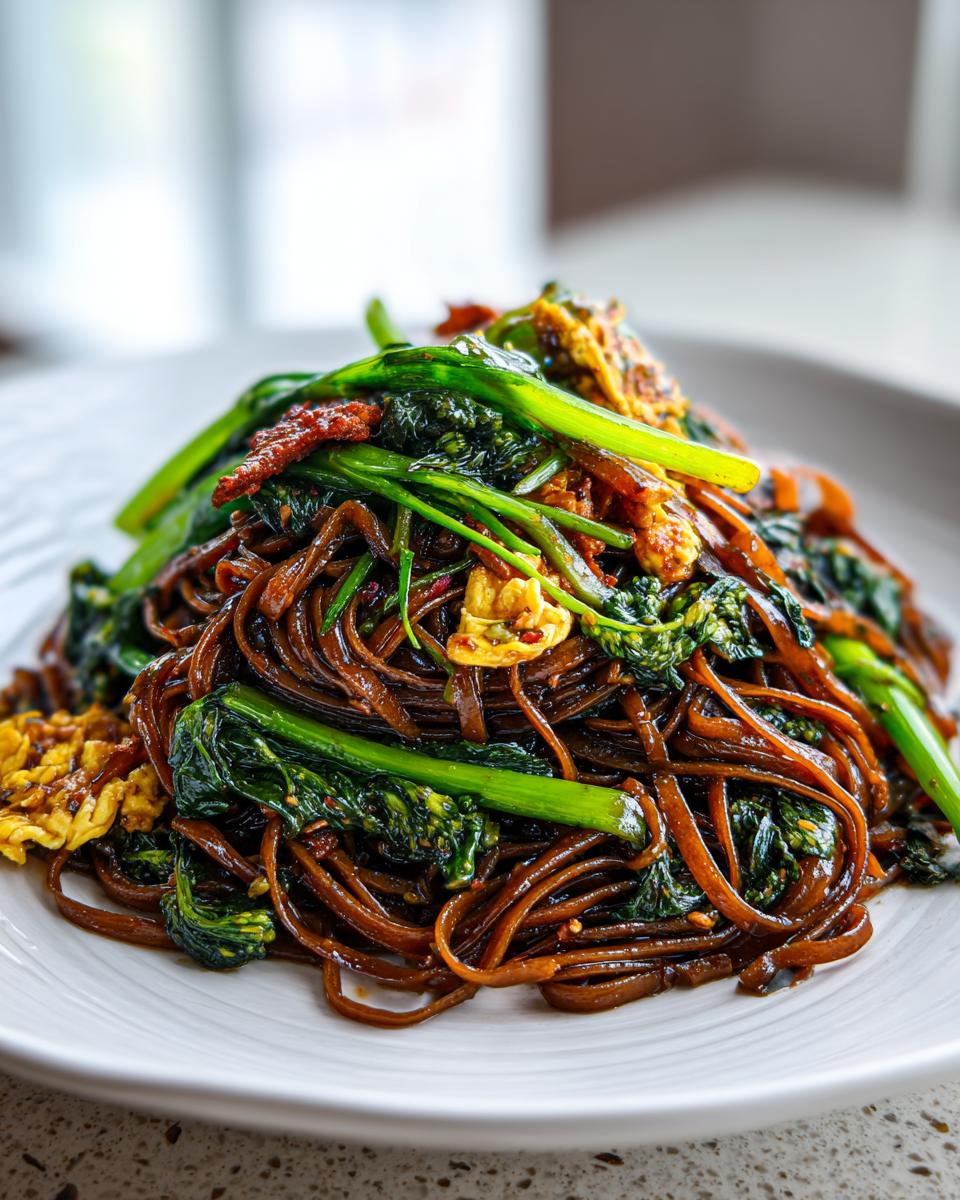
Alright, this is where the magic happens! Since the total cook time is aiming for just 15 minutes, we need to be quick and decisive. Remember what I said about getting everything ready beforehand? That preparation is what lets you nail that perfect, slightly charred, street food noodles recipe look right in your home wok. Don’t be afraid of the high heat; that’s what separates a good noodle dish from one that tastes seriously authentic.
Noodle Preparation and Sauce Assembly
First things first, you need your noodles ready to go. If you’re using dried ones, follow the package instructions, but I always pull them out when they are still a little underdone—pliable but still firm. They’ll finish cooking in the sauce later. If you’re lucky enough to have fresh ones, just untangle them gently. Then, make sure that pre-mixed sauce bowl is sitting right next to your stove. Having everything set aside means zero hesitation when you start cooking.
Achieving the Smoky Flavor in Your Thai Stir Fried Rice Noodles
Step three is turning that heat up until your wok is screaming hot. Add your oil. Cook your protein first—chicken, beef, shrimp, whatever you chose—until it’s cooked through, and then pull it out and set it aside. We don’t want it overcooked! Now, those aromatics: garlic and chilies. Toss them in for maybe 15 seconds until you can smell them—quick flashes of fragrance only, don’t burn them! Next, toss in your onions, peppers, and broccoli. Stir-fry this hard for about two minutes until they are tender-crisp.
Push everything to one side, scramble that egg quickly in the empty space, and then mix it all back together. Return the cooked protein. Now, send in the noodles and pour that gorgeous sauce mixture all over everything. Stir and toss vigorously! You need that movement to get that desirable char, which is the secret behind a great smoky noodle recipe. Toss for 1-2 minutes. My biggest expert tip here? If your pan looks crowded, cook the noodles in two smaller batches! Overcrowding steams the food, and we want a stir-fry, not a steam bath.
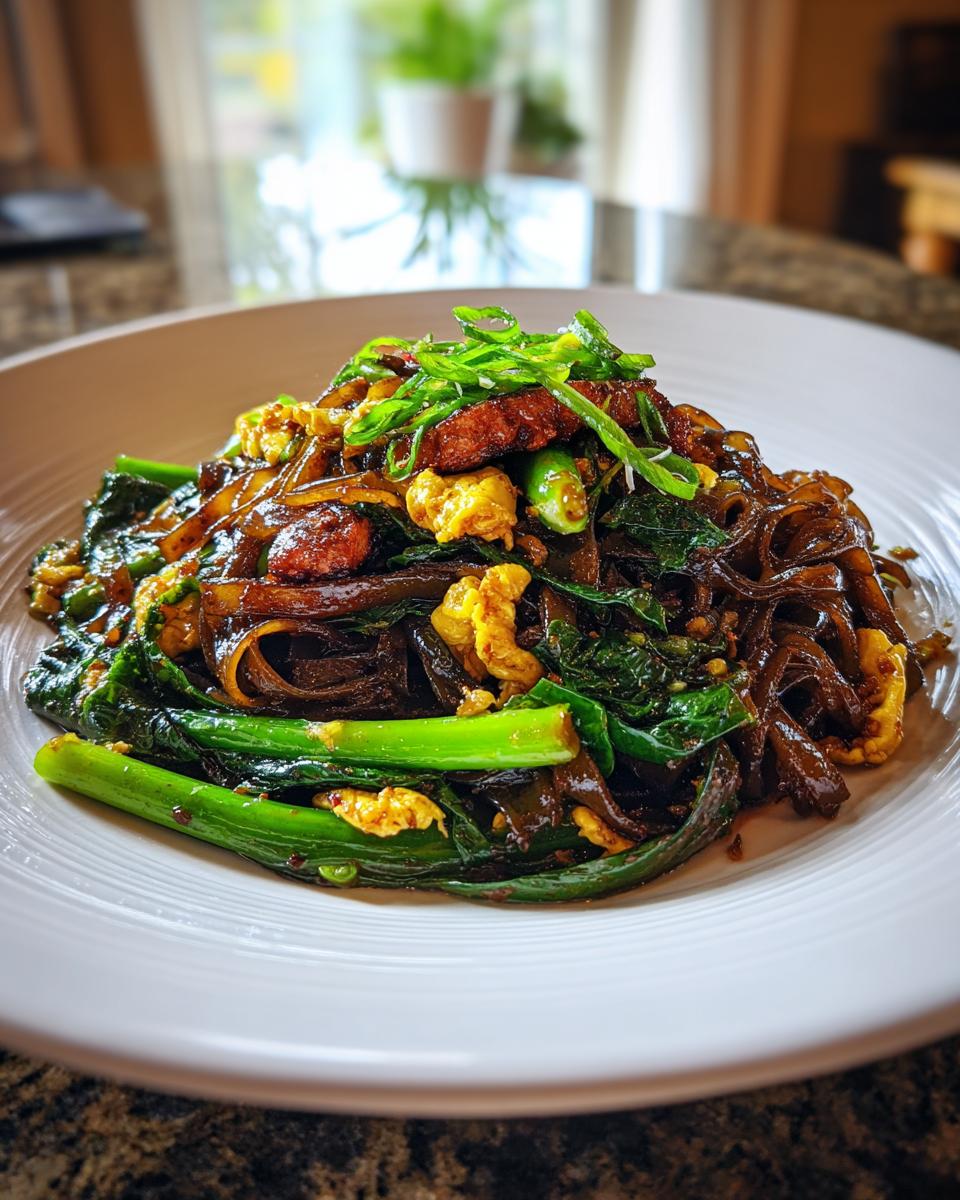
Finally, take the wok completely OFF the heat and stir in your holy basil until it just wilts. Serve your Thai stir fried rice noodles immediately. We’re aiming for that true restaurant-level flavor, and getting these steps perfect is how we get there!
If you’re checking out other quick, high-heat Asian recipes that deliver on flavor, I’ve got a fantastic guide on restaurant-style steak fajitas that uses similar wok techniques!
If you need a reminder on timing the stir-fry sequence perfectly, sometimes seeing another cook sequence their time helps. Reviewing resources like this quick 20-minute guide confirms we are on the right track for speed!
Ingredient Notes and Substitutions for Thai Drunken Noodles
I know stepping outside your usual grocery aisle can feel daunting, but for the best results with our thai drunken noodles, a few ingredients really make a difference. Don’t worry, though! We can absolutely tailor this for what you have on hand. This recipe shines because it’s so adaptable, which is great if you’re needing a super customizable Spicy Vegetarian Noodles dish tonight!
First, let’s talk noodles. The recipe calls for wide rice noodles, and I strongly suggest hunting those down if you can. They have the perfect chewy texture to stand up to the intense sauce and the high heat of the wok. If you end up using dried ones, make sure you don’t over-soak them like I once accidentally did—they turned to mush! For a completely different take on Asian cooking, if you’ve ever made my chicken chow mein, you know how important noodle quality is, you can check out that recipe here.
Protein Options for Your Chicken Drunken Noodles Recipe
You have so much freedom here, which is why this is such a fantastic, reliable weeknight meal. We listed out chicken, beef, shrimp, or tofu in the main recipe, but let’s focus on the tofu, since that’s usually where people have questions.
If you opt for tofu to keep this plant-based, you absolutely must press the excess water out first. I wrap a block of firm tofu between a couple of paper towels, put a heavy cutting board on top, and weigh it down for about 20 minutes. This simple step ensures the tofu fries up nicely instead of steaming in the pan. Once pressed, you can dice it and treat it just like the chicken or beef; it will soak up all that glorious savory sauce!
Tips for Making Authentic Thai Noodles at Home
When you’re trying to nail that fantastic takeout quality, a few little tricks make all the difference in your thai drunken noodles. Forget rushing anything except the tossing motion! My biggest secret is treating your wok like it’s a blacksmith’s forge—it needs to be smoking hot before anything goes in. If the wok isn’t ripping hot, your noodles will steam instead of getting that beautiful char we talked about earlier. That char is what gives you the depth of flavor that says, “I am eating authentic Thai noodles, not something bland!”
Also, a quick word on those chilies: please, use gloves or be extremely careful when slicing them! And whatever you do, don’t let the garlic burn while you’re sautéing it with the chilies early on. Burnt garlic tastes bitter, and it will ruin the whole batch, even if you have the best sauce mixture ever.
If you’re making a big batch and worried about overcrowding, consider cooking your protein and vegetables in two separate, quick stir-fry sessions. It sounds like added work, but trust me, keeping that heat high is worth it. If you are interested in how other great home cooks tackle flavor challenges, you might enjoy seeing the approach taken by The Flavours of Kitchen on their noodle technique! It’s all about getting those intense, savory notes.
If you’re looking for a completely different, creamy noodle experience after mastering this spicy dish, I have a fantastic Chicken Caesar Pasta Salad recipe that is super cool and refreshing by comparison!
Serving Suggestions for Your Savory Umami Noodles
Because these savory umami noodles are so incredibly bold and spicy, they don’t need a lot of heavy sides to go alongside them. Frankly, they steal the show! If you want something mild to balance out the heat—and to make sure you get absolutely every last bit of that delicious sauce—I often serve mine with a side of simple, steamed jasmine rice. It’s perfect for soaking up any leftover sauciness clinging to the bottom of your bowl.
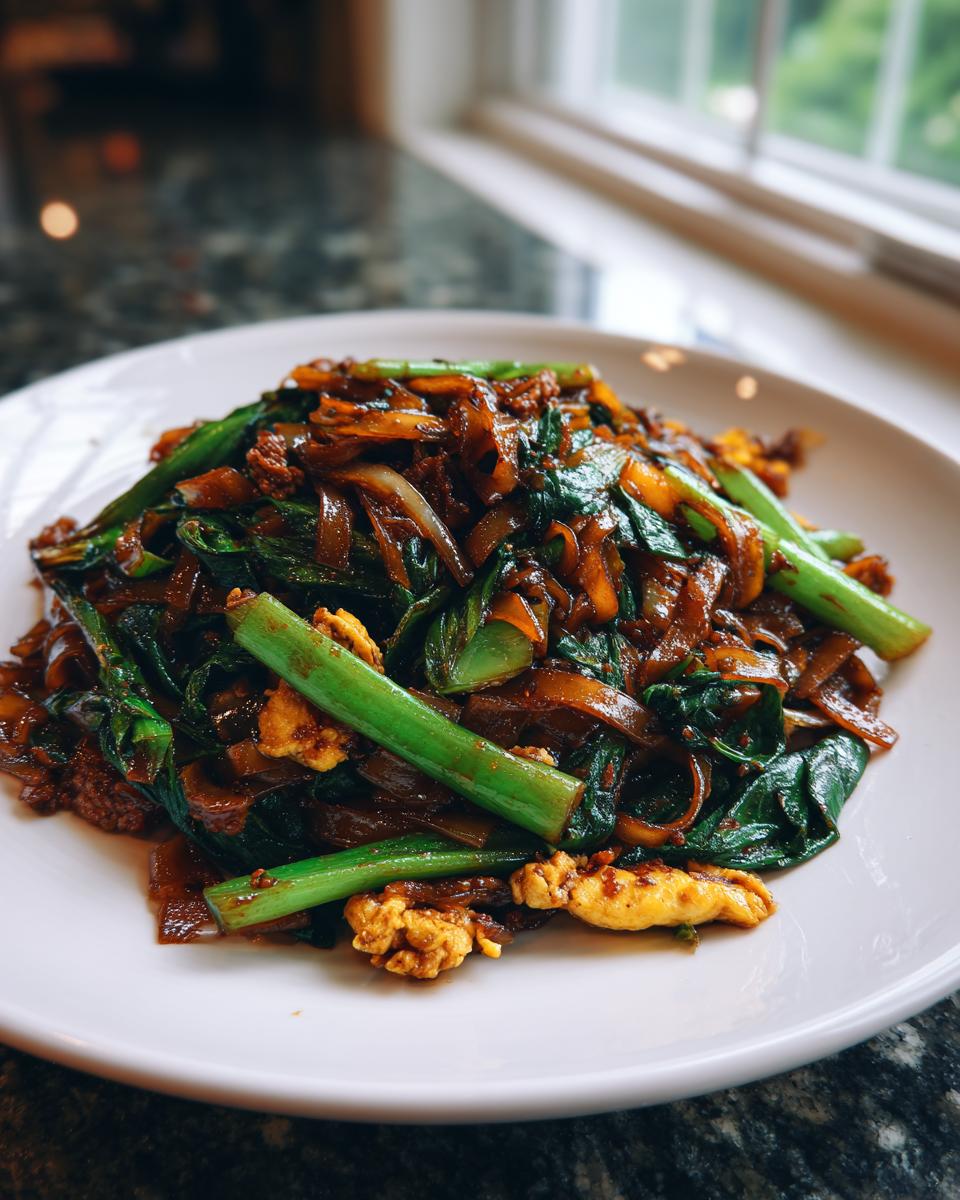
Alternatively, a light, crisp cucumber salad dressed with a hint of lime juice really cools the palate beautifully between bites of spicy basil. If you’re looking for an easy rice side that adds a little extra flavor without competing, I have a wonderful, simple garlic butter rice recipe that pairs wonderfully.
Storage and Reheating Thai Drunken Noodles
Because these noodles are so fantastic, you’ll inevitably have leftovers—if your family doesn’t devour them all the first night! When it comes to saving them, treating them right in the fridge is step one. You can absolutely store leftover thai drunken noodles in an airtight container. I find they keep nicely for about three days, maybe four if you’re lucky. Just make sure that container is sealed tight so they don’t dry out completely!
Now, reheating is where you have to be careful. Rice noodles, bless their chewy hearts, tend to absorb all the moisture when they cool down, and if you just blast them in the microwave, they can turn into a chewy, disappointing brick. Don’t let that happen!
The secret here is introducing a little bit of steam back into the mixture. When you are ready to eat them again, toss the noodles into a dry skillet over medium heat. Add just a splash—start with maybe a teaspoon or two—of water, chicken broth, or even a tiny bit more of your sauce mixture. Toss them vigorously until they heat through and loosen up again. This little bit of liquid helps rehydrate them just enough so they don’t feel stiff.
I know it feels like an extra step, but taking that moment to revive them prevents mushiness! If you’re looking for another recipe where taking time for proper cooling and storage makes a difference in texture later on, check out my guide for super moist pumpkin bread—it’s amazing cold, but better the next day if handled correctly!
Frequently Asked Questions About Thai Drunken Noodles
I always find that once people dive into making a recipe like this, they suddenly remember questions they meant to ask! That’s totally normal, especially with bold flavors like these. We’re using big tastes here, so let’s clear up any confusion about the spice, the noodles, or how to make this into a truly great Quick Asian Dinner.
Are Thai Drunken Noodles supposed to be very spicy?
Yes, traditionally, thai drunken noodles are meant to pack a heat punch! The name implies they were created to be fiery enough to cure a hangover—though that’s probably just folklore! If you are looking for extreme heat, use all four chilies or even add a pinch of dried chili flakes. However, if you want a milder, more approachable Quick Asian Dinner, definitely start with just one chili or skip them entirely and just use a dash of chili paste in the sauce. You can always add heat later, but you can’t take it away!
What is the best way to reheat this Easy Noodle Stir Fry?
Just like I mentioned before, microwaving leftovers of this easy noodle stir fry straight from the fridge often results in stiff, dry noodles. To get them back to that wonderful chewy texture, you need moisture and heat. Put the noodles into a non-stick skillet over medium heat. Add a tiny splash—seriously, just a teaspoon or two—of water or broth. Cover the pan for just a minute to let the steam loosen things up, then uncover and toss quickly until everything is heated through and those noodles are flexible again.
If you want more insider tips from someone who has mastered quick Asian meals, I really recommend checking out the steps on this guide for street-style intensity.
When you’re done cooking, remember that saving leftovers properly is important for flavor retention, much like how our no-bake Tiramisu needs the right refrigeration!
Nutritional Snapshot for Your 30 Minute Thai Dinner
I always feel a little better about making something this intensely flavorful when I have a ballpark idea of what I’m eating, even though remember, this is homemade cooking, so precise nutrition is tricky!
The numbers below are estimates for one serving based on using chicken breast and standard pantry substitutions. If you load up on extra oil or use much fattier beef, those numbers will shift, naturally. But for a dish that packs so much flavor into a quick meal, I think this 30 Minute Thai Dinner is pretty impressive!
Here’s a general breakdown of what you can expect from a serving:
- Calories: About 550
- Protein: Roughly 28 grams—that comes mostly from your chosen meat or tofu!
- Fat: Around 12 grams total.
- Carbohydrates: About 85 grams (this is mostly from those satisfying wide rice noodles).
- Sugar: Low, around 8 grams, mostly from the dark sweet soy sauce we use for color.
- Sodium: This one is higher, hovering around 950 mg, because of the fish sauce and soy sauces. Taste before you add extra salt!
For comparison on sodium levels, I always have to remind folks that even simple sides can add up. If you are making my rich cottage cheese queso for game day, you are already planning for richer ingredients, whereas these noodles are savory!
This information just gives you a guideline, but honestly, the best measure of this meal is how amazing it tastes when it comes straight out of that blazing hot wok!
PrintStreet Style Thai Drunken Noodles (Pad Kee Mao)
Make authentic, spicy Thai Drunken Noodles, also known as Pad Kee Mao, right in your home kitchen. This quick stir-fry delivers bold, savory street food flavor in under 30 minutes.
- Prep Time: 10 min
- Cook Time: 15 min
- Total Time: 25 min
- Yield: 4 servings 1x
- Category: Dinner
- Method: Stir-Frying
- Cuisine: Thai
- Diet: Vegetarian
Ingredients
- 1 pound wide rice noodles (fresh or dried)
- 1 tablespoon vegetable oil
- 8 ounces protein (chicken breast, beef, shrimp, or firm tofu), sliced
- 4 cloves garlic, minced
- 2–4 Thai chilies (or more, to taste), sliced
- 1/2 cup sliced onion
- 1 cup chopped bell pepper (any color)
- 1 cup Chinese broccoli (gai lan) or regular broccoli florets
- 1 large egg, lightly beaten
- 1/2 cup Thai holy basil leaves (or sweet basil if holy basil is unavailable)
- For the Sauce:
- 2 tablespoons oyster sauce
- 1 tablespoon soy sauce (or tamari for gluten-free)
- 1 tablespoon dark sweet soy sauce (or substitute with regular soy sauce mixed with 1 teaspoon brown sugar)
- 1 teaspoon fish sauce
- 1 teaspoon sugar
- 1/2 teaspoon ground white pepper
Instructions
- If using dried noodles, soak or boil them according to package directions until pliable but still slightly firm; drain and set aside. If using fresh noodles, separate them gently.
- Mix all sauce ingredients together in a small bowl: oyster sauce, soy sauce, dark sweet soy sauce, fish sauce, sugar, and white pepper. Set the sauce near your cooking station.
- Heat a wok or large skillet over high heat until very hot. Add the vegetable oil.
- Add your chosen protein (chicken, beef, shrimp, or tofu) and stir-fry until cooked through. Remove the protein from the wok and set it aside.
- Add the minced garlic and sliced chilies to the hot wok. Stir-fry quickly for about 15 seconds until fragrant. Do not burn the garlic.
- Add the onion, bell pepper, and broccoli. Stir-fry for 2-3 minutes until the vegetables are tender-crisp.
- Push the vegetables to one side of the wok. Pour the beaten egg into the empty space and quickly scramble it until just set, then mix it with the vegetables.
- Return the cooked protein to the wok. Add the prepared rice noodles and pour the sauce mixture over everything.
- Toss and stir-fry vigorously for 1-2 minutes, ensuring the noodles are evenly coated and slightly charred for that street style flavor.
- Remove the wok from the heat. Stir in the Thai basil leaves until they just wilt.
- Serve your spicy Thai basil noodles immediately.
Notes
- For the best smoky flavor, use a very hot wok and cook in batches if necessary to avoid overcrowding the pan.
- If you want a vegetarian version, substitute the oyster sauce with vegetarian oyster sauce or extra soy sauce, and use tofu as your protein.
- Adjust the number of chilies based on your preference for heat; these noodles are meant to be spicy.
Nutrition
- Serving Size: 1 serving
- Calories: 550
- Sugar: 8
- Sodium: 950
- Fat: 12
- Saturated Fat: 2
- Unsaturated Fat: 10
- Trans Fat: 0
- Carbohydrates: 85
- Fiber: 4
- Protein: 28
- Cholesterol: 150