

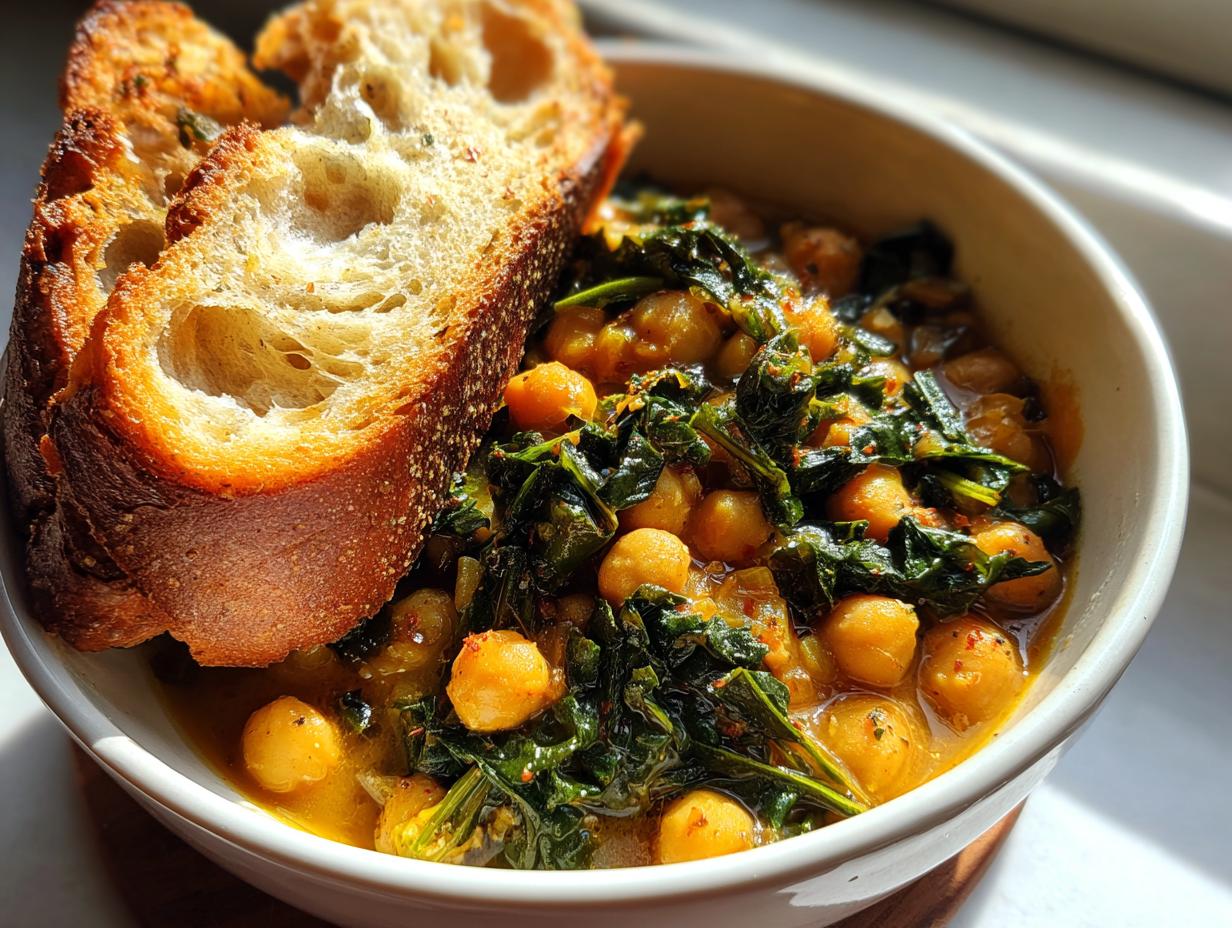
There’s nothing quite like that deep, warm hug you get from a bowl of truly satisfying comfort food, especially when the weather outside is getting chilly. That’s exactly what we’re chasing today with this authentic, rustic Tuscan chickpea soup, lovingly known as Zuppa di Ceci. Here at DeliceRecipe, I, Eleanor Vance, believe the best meals are the ones made simply, using ingredients that sing on their own, and this soup proves it! We aren’t dealing with fussy techniques here; we’re leaning into genuine, deep Italian flavor using straightforward steps. Get ready for a soup that tastes like it simmered all day, even though it comes together in under an hour.
- Why This Authentic Tuscan Soup Recipe Delivers Comfort
- Gathering Ingredients for Your Tuscan Chickpea Soup
- How to Prepare Your Hearty Italian Winter Soup
- Serving Suggestions for Rustic Italian Bean Soup
- Storage and Reheating Tips for Homemade Tuscan Soup with Greens
- Troubleshooting Common Issues When Making Tuscan Chickpea Soup
- Frequently Asked Questions About Zuppa di Ceci
- Estimated Nutritional Data for This Comforting Italian Soup for Winter
- Share Your Experience Making This Tuscan Chickpea Soup
Why This Authentic Tuscan Soup Recipe Delivers Comfort
The appeal of this soup is exactly what we aim for here at DeliceRecipe: honest, powerful flavor achieved easily. You get that rustic authenticity that screams homemade Italian cooking without needing a day in the kitchen.
- It’s truly simple; we rely on pantry staples elevated by fresh herbs.
- It cooks fast—perfect for a weeknight when you need something substantial.
- It’s the definition of a hearty Italian winter soup!
The Key to Rustic Italian Bean Soup Flavor
Don’t skimp on the olive oil here; remember, it’s one of the main flavor carriers in this tuscan chickpea soup. That bright, peppery extra virgin oil drizzled on top finishes everything off perfectly. The pairing of fresh rosemary and sage is non-negotiable—that’s the magic! And while this isn’t strictly Ribollita, using stale, crusty bread soaked in the broth mimics that traditional, satisfying Tuscan thickening style beautifully.
Gathering Ingredients for Your Tuscan Chickpea Soup
Alright, friends, gathering our supplies is where we start building that deep flavor foundation. For a soup this authentic, precision in measuring really does matter, even though we are aiming for a rustic feel. If you measure the broth exactly, you’ll get the right consistency without having to guess later on. Take your time prepping your vegetables—make sure your onion is chopped, your garlic is minced finely, and those beautiful herbs are ready to go!
I’ve listed out everything you need below, but before you grab your cans, let’s talk specifics. Getting these components right ensures this Tuscan vegetable and bean soup tastes exactly like it should.
Ingredient Notes and Substitutions for Simple Chickpea and Kale Soup
The most important swap I want you to consider right away is the pancetta. If you’re looking for a Vegetarian Tuscan Soup Option, just skip it! Leaving that out keeps the soup light and flavorful, and you boost the olive oil slightly when you start cooking. I always try to source Tuscan kale, or cavolo nero, if I can find it; its texture holds up so much better in the simmering broth than standard curly kale.
And remember that crusty bread I mentioned earlier? You absolutely must have some stale, crusty bread, something like a sourdough or good Italian loaf. You serve the soup *over* the bread in the bowl, so make sure you have about a cup torn up and ready to go before you even start heating the pot. That’s the final touch that turns this from just a soup into an incredible dinner experience.
How to Prepare Your Hearty Italian Winter Soup
Okay, let’s get cooking! This is the fun part where we transform simple pantry items into something truly soulful. We’re moving fast here, so have all your veggies chopped and ready to go beside the stove. You want to get that flavor base built right and lock it in quickly. This process takes about 45 minutes total, but the first ten minutes are the most crucial for that deep, authentic taste.
Building the Flavor Base for Tuscan Vegetable and Bean Soup
First up, grab your biggest, heaviest pot—a nice Dutch oven is perfect for this kind of slow-simmered magic. Heat up that initial tablespoon of olive oil over medium heat. If you’re using pancetta for that little bit of savory depth, throw it in now and let it get nice and crisp, about 7 minutes. Scoop it out when it’s done, but leave that glorious rendered fat behind! Next go the onions, carrots, and celery. You need to let them soften up, which takes a good 8 minutes until they start looking translucent and sweet.
Here comes my favorite trick for really making this tuscan vegetable and bean soup sing: the aromatics. Toss in your minced garlic, fresh rosemary, and sage. Don’t walk away! You only need about 1 minute here until you can really smell those herbs waking up—we call that ‘blooming’ the herbs, and it releases all their essential oils. That warm, woodsy scent is heaven, trust me!
Simmering and Finishing the Tuscan Chickpea Soup
Now we introduce the liquids! Stir in your crushed tomatoes and the broth—I usually use chicken broth, but vegetable broth works perfectly fine if you’re sticking to the vegetarian route. Bring that whole pot up to a gentle simmer, then add your chickpeas and cannellini beans if you’re using them. Let this bubble away, uncovered, for about 15 minutes so those flavors can really get to know each other. If you like a thicker, more rustic texture—closer to a Minestrone soup texture—take about a cup of the soup, mash those beans with a fork really well, and stir that thick mixture back into the pot. It’s brilliant!
Finally, add your chopped kale. It will look like way too much at first, but it wilts down fast—give it 5 to 7 minutes until it’s tender. Once it’s soft, taste everything. Does it need salt? A crack of black pepper? Always adjust your seasoning right at the end before you turn off the heat!
Serving Suggestions for Rustic Italian Bean Soup
We are at the best part! Serving this Rustic Italian Bean Soup isn’t just ladling it into a bowl; it’s an assembly process that truly honors the Tuscan way of eating. You have to build the bowl correctly to get the full experience of this Easy Tuscan Soup Dinner Idea.
First things first: take your stale, crusty bread—the dryer the better! Tear it into rough, thumb-sized pieces and place a nice handful right into the bottom of your serving bowl. This bread soaks up all those lovely, herby juices as you eat, which is truly essential. If your bread isn’t quite stale, you could even whip up a quick loaf before starting dinner; you can find my recipe for easy crusty Italian bread if you need a fresh batch!
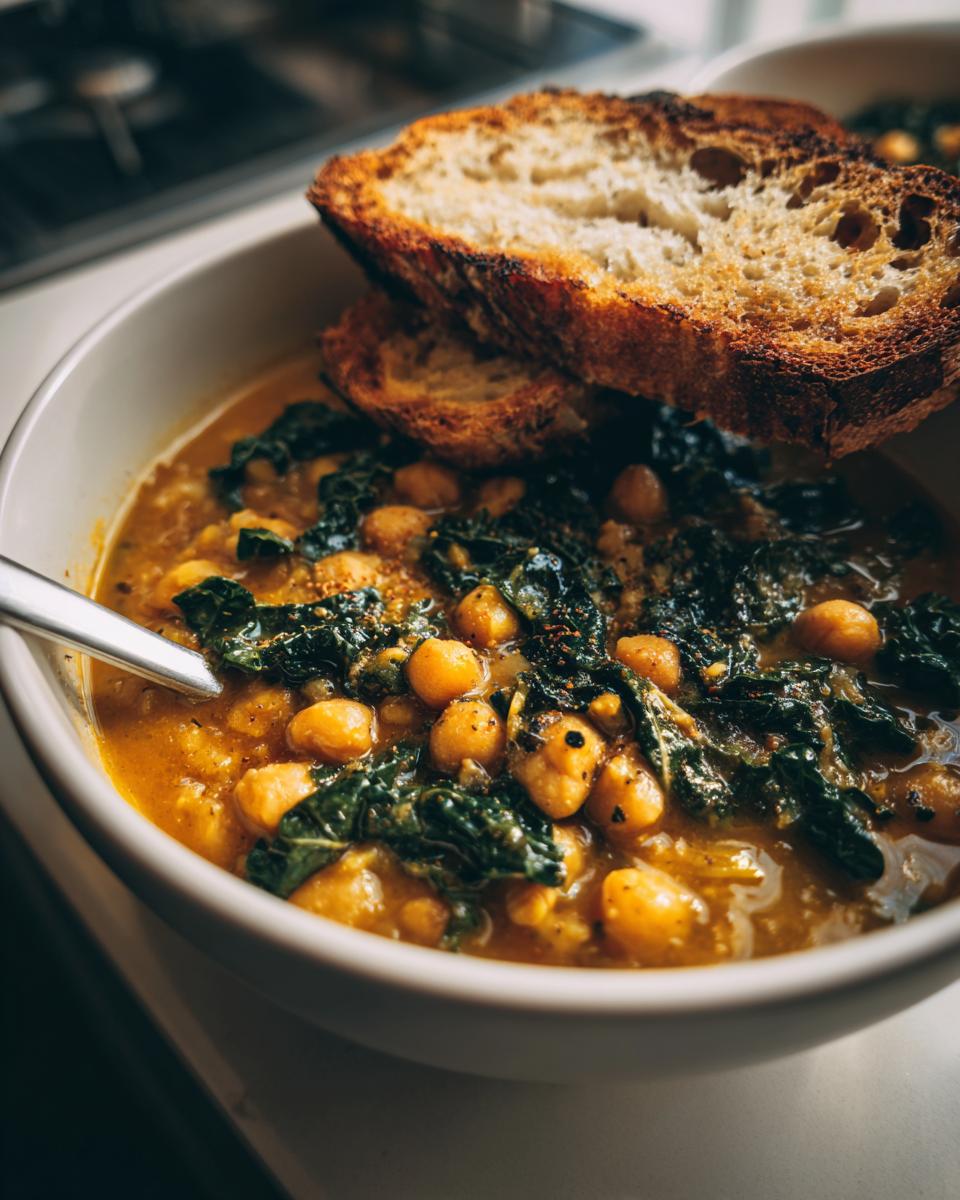
Next, ladle that piping hot Zuppa di Ceci right over the bread. Make sure you get plenty of the chunky vegetables and the thick, creamy bean bits on top. Don’t be shy with the ladle!
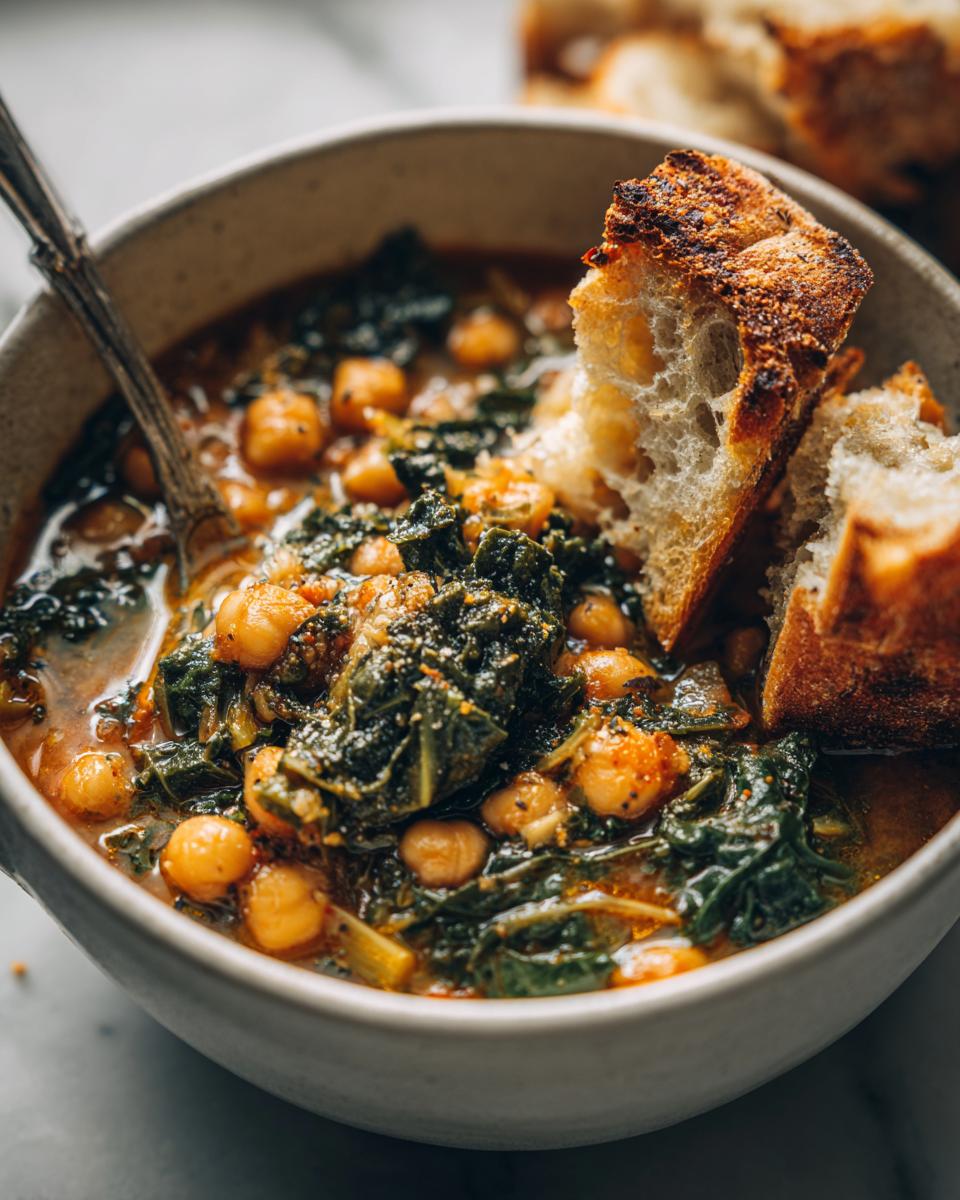
Now for the grand finale, and this is where you take it from good to absolutely phenomenal: the finishing olive oil. You need a drizzle of high-quality, bright, flavorful extra virgin olive oil—the raw stuff that hasn’t been cooked. Drizzle it generously over the entire surface. That fresh, fruity oil cuts through the richness of the beans and herbs so beautifully. If you saved any of that crispy pancetta, sprinkle that over the top too. Seriously, stop what you are doing and go serve this!
Storage and Reheating Tips for Homemade Tuscan Soup with Greens
This Hearty Italian Winter Soup tastes even better the next day, which is great news because you will definitely want seconds. Good news: leftovers are super easy to manage!
Once the soup is completely cooled, you should store it in an airtight container in the fridge. It keeps beautifully for about four days. Since this soup has those wonderful beans and greens, the texture naturally thickens up a lot overnight as everything sits together. It really becomes more concentrated and robust!
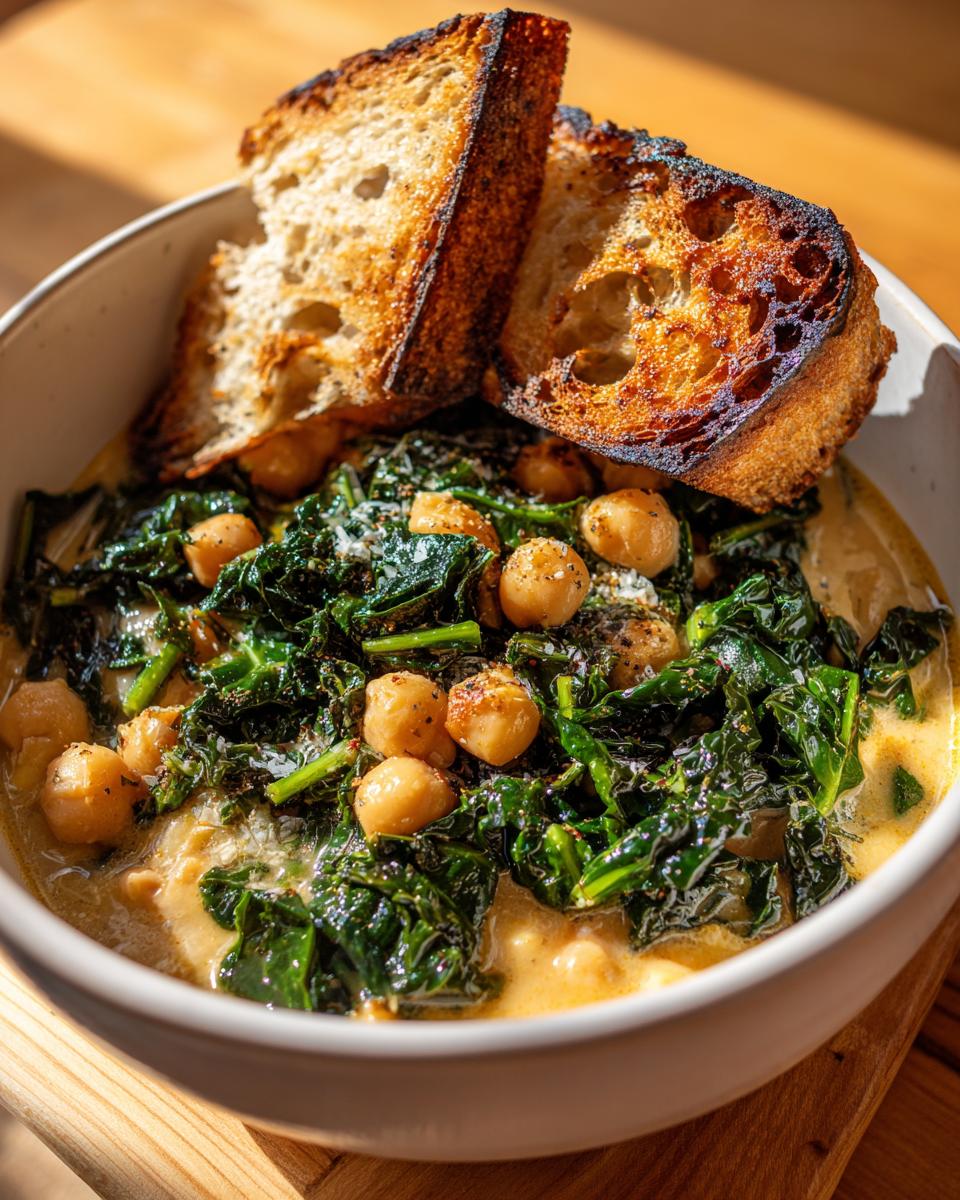
When it comes time to reheat, don’t just blast it on high heat. Take it out about 30 minutes before you plan to eat, or reheat it slowly on the stovetop over medium-low heat. If you find it’s gotten too thick—almost like a stew, which can happen—just stir in a splash or two of water or extra vegetable broth until you get that perfect soup consistency again. Don’t forget to have extra crusty bread nearby for dipping when you reheat it!
Troubleshooting Common Issues When Making Tuscan Chickpea Soup
Even the best recipes sometimes run into little hiccups, right? It happens to me all the time! Since this is a rustic soup, we don’t aim for sterile perfection, but we certainly want great results. I put together a few things I’ve noticed over the years to make sure your Tuscan vegetable and bean soup turns out amazing.
If you follow these common adjustments, you’ll feel like a pro Tuscan cook in no time. Don’t panic if things look a little ‘off’ halfway through—we can usually fix it!
Soup is Too Thin After Adding Everything
This is the most frequent little problem, especially if you used less starchy beans or extra broth. If your soup isn’t clinging to the spoon the way you like, don’t worry; we can thicken it right up without adding strange flours!
- Grab about a cup of the soup mixture—make sure you get some beans in that cup.
- Mash those beans vigorously with a fork right in a separate bowl. You want a thick paste.
- Stir that mashed-bean slurry right back into the pot. It works like magic to bind the liquid, giving you that rich texture you expect from a great hearty Italian winter soup.
Why Is My Kale Still Tough?
If you’ve let the soup simmer after adding your greens, but the kale is still resisting your bite, it just needed a little more time to surrender! Kale, especially cavolo nero, is sturdy; it needs patience.
If you catch it early while simmering, just cover the pot and turn the heat down to low for another 10 minutes. The trapped steam will help it wilt beautifully. If you’ve already served it before realizing it’s tough, don’t fret! Just cover the leftovers tightly and reheat them gently the next day; it often softens up perfectly in the storage phase.
My Soup Lacks That Deep Italian Pop
Sometimes you nail all the steps, but the flavor just feels… flat. This usually means the depth needs boosting. Did you use packaged broth instead of homemade? That can happen.
The easiest fix is to enhance the richness right at the end. First, taste and add a bit more salt and maybe a pinch more black pepper; sometimes that’s all it needs! Second, and this is the absolute best trick for this Tuscan chickpea soup: finish it with a fantastic, fruity drizzle of high-quality extra virgin olive oil right before serving. That fresh oil adds a bright, complex layer that brings everything else forward. It’s the secret weapon!
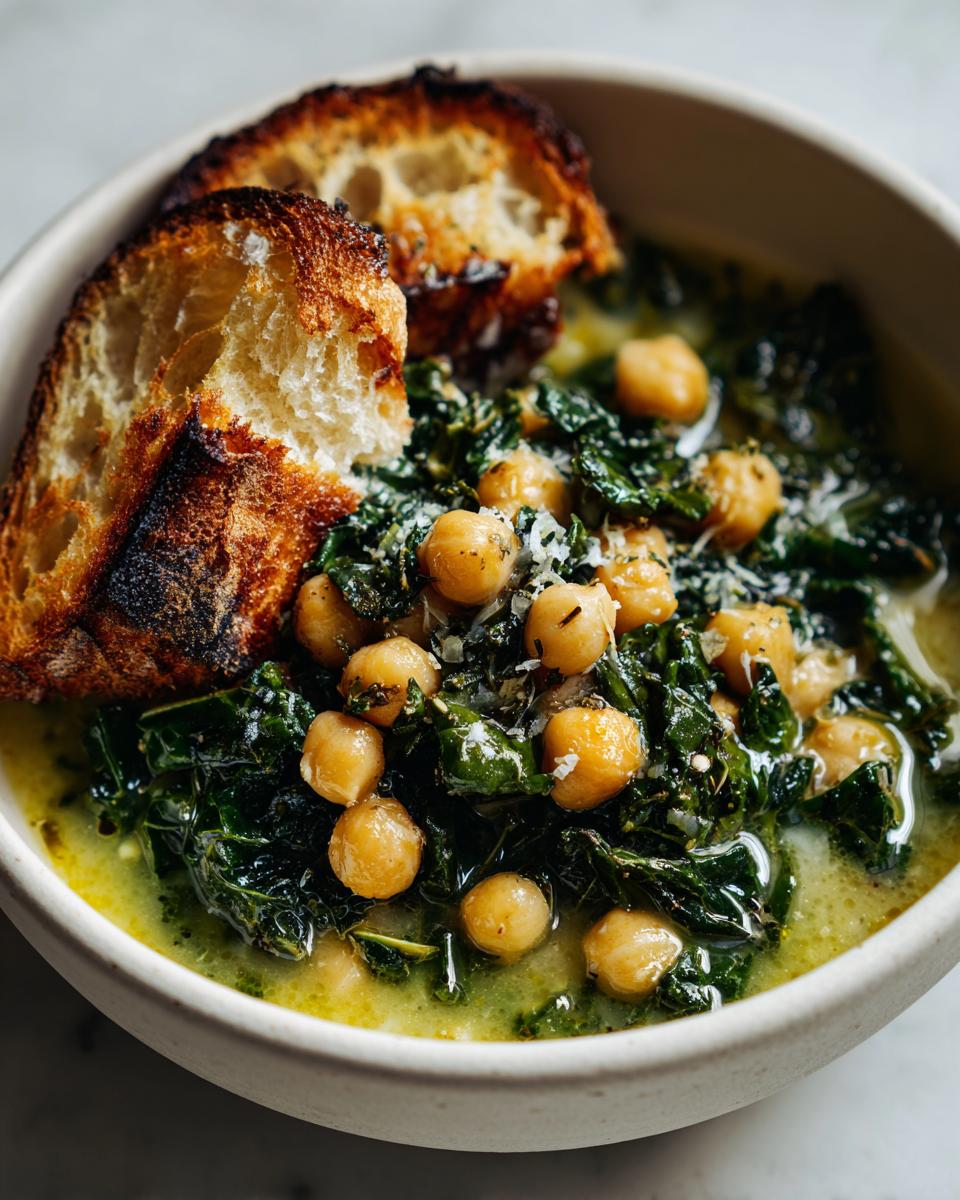
Frequently Asked Questions About Zuppa di Ceci
I know you probably have a few little questions rattling around after seeing how many lovely details go into making this wonderful dish. It’s always good to ask! I gathered the most common ones I hear about making this comforting soup. Don’t worry about complex chef lingo here; these are simple kitchen questions!
Can I make this a Vegetarian Tuscan Soup Option?
Absolutely, yes! This recipe is so flexible for making it totally vegetarian. To do that, just skip the pancetta entirely when you start the pot. Instead of cooking the pancetta to render the fat, just start right away with your tablespoon of good olive oil over medium heat. I usually bump that oil up to 1.5 tablespoons to make sure we still get that nice base flavor coating the vegetables beautifully. Use vegetable broth instead of chicken broth, and you have a perfect, hearty, meat-free Tuscan meal!
What is the difference between this soup and Ribollita?
That’s such a smart question! They definitely run in the same family, but they aren’t identical twins. Ribollita is famous for being much thicker—that name actually means ‘reboiled,’ because traditionally, it was a peasant soup made the day before and thickened by soaking even more stale bread directly into the pot until it was almost the consistency of porridge. Ours is a bit lighter; this Tuscan chickpea soup is still hearty and rustic, but it stays firmly in the soup category rather. than turning into a thick bread pudding. We reserve the bread for serving *on the side* or just lightly dipped in!
What kind of bread is best for serving?
If you take away only one lesson today, let it be this: the bread must be crusty and it must be stale! Fresh, soft sandwich bread will just turn into mush instantly and won’t give you the right texture contrast against the hot soup. You want something substantial, like a good artisan sourdough or a rustic Italian loaf that you left out on the counter for a day or two. When you ladle that hot soup over the torn pieces, the bread soaks up all that wonderful herby broth on the bottom layer without totally dissolving on top. It’s the perfect crunch factor for this comforting Italian soup for winter!
Estimated Nutritional Data for This Comforting Italian Soup for Winter
I want to be totally upfront with you all about nutrition. Trying to pin down exact numbers for a rustic soup like this Comforting Italian Soup for Winter is tough because everyone makes their own delicious variations! Did you add the pancetta? Are you using heartier kale or lighter spinach? Those things change the final tally.
However, based on the core recipe—using standard vegetable broth and assuming no pancetta to keep it light—here are the best estimates Eleanor can give you for one generous serving size, which is about 1.5 cups of soup.
Keep in mind these numbers are a guide, not gospel! They reflect a healthy, fiber-rich meal packed with vegetables and beans. If you’re skipping the bread on the side, your carb count will naturally drop as well.
- Serving Size: 1.5 cups
- Calories: Approximately 280
- Protein: 14 grams
- Fat: 9 grams (This is lower if you skip pancetta!)
- Carbohydrates: 40 grams
- Fiber: 12 grams (Wow, that’s a lot of fiber!)
- Sodium: Around 450 mg
See? That’s a fantastic return for a simple, warm bowl of Tuscan chickpea soup. It’s filling because of all that fiber and protein from the beans, keeping you satisfied for hours without weighing you down. Cook with joy, and don’t stress too much about the exact milligrams!
Share Your Experience Making This Tuscan Chickpea Soup
Well, we’ve done it! We’ve taken simple carrots, beans, and herbs, and turned them into a deeply flavorful, rustic bowl of Italian sunshine. I truly hope that the aroma of rosemary and sage fills your kitchen just like it does mine when I make this Tuscan chickpea soup.
This recipe is a testament to Eleanor Vance’s mission here at DeliceRecipe: real, soulful food made accessibly, without the fuss. It’s all about gathering around the table, whether it’s a quiet Tuesday night or a bustling weekend dinner.
Now, I’m dying to hear what you think! Did you follow my advice and smash some of those beans for extra thickness? Did you add chili flakes for a little kick, making it your own unique twist on a rustic Italian bean soup? Please, don’t be shy!
Hop down to the comments section right now and leave me a star rating so I know how the soup turned out for you. I love reading all your adaptations and seeing the wonderful meals you create! It keeps my passion for simple home cooking alive and well. You can always find more kitchen inspiration and hear more about the DeliceRecipe philosophy over on the About Page. Happy cooking, friends!
PrintAuthentic Tuscan Chickpea Soup (Zuppa di Ceci)

Make this hearty, rustic Tuscan chickpea soup featuring kale and rosemary. This recipe delivers deep Italian flavor using simple ingredients perfect for a comforting winter meal.
- Prep Time: 15 min
- Cook Time: 35 min
- Total Time: 50 min
- Yield: 6 servings 1x
- Category: Soup
- Method: Stovetop
- Cuisine: Italian
- Diet: Vegetarian
Ingredients
- 1 tablespoon olive oil
- 4 ounces pancetta, diced (optional, substitute with 1 tablespoon olive oil for vegetarian)
- 1 medium yellow onion, chopped
- 2 carrots, chopped
- 2 celery stalks, chopped
- 2 cloves garlic, minced
- 1 teaspoon fresh rosemary, chopped
- 1/2 teaspoon fresh sage, chopped
- 1 (28 ounce) can crushed tomatoes
- 4 cups vegetable broth or chicken broth
- 2 (15 ounce) cans chickpeas, rinsed and drained
- 1/2 cup cannellini beans, rinsed and drained (optional)
- 4 cups kale (cavolo nero), stems removed and roughly chopped
- Salt and black pepper to taste
- 1 cup stale, crusty bread, torn into pieces (for serving)
- Extra virgin olive oil, for drizzling
Instructions
- Heat 1 tablespoon of olive oil in a large pot or Dutch oven over medium heat. If using pancetta, add it and cook until crisp, about 5 to 7 minutes. Remove the pancetta with a slotted spoon and set aside, leaving the fat in the pot. If omitting pancetta, proceed with the oil.
- Add the onion, carrots, and celery to the pot. Cook until softened, about 8 minutes.
- Add the garlic, rosemary, and sage. Cook for 1 minute until fragrant.
- Stir in the crushed tomatoes and broth. Bring the mixture to a simmer.
- Add the rinsed chickpeas and cannellini beans (if using). Season with salt and pepper. Simmer gently for 15 minutes to allow the flavors to combine.
- Stir in the chopped kale. Cook until the kale wilts and becomes tender, about 5 to 7 minutes.
- For a thicker soup, remove about 1 cup of the soup mixture (mostly beans and liquid) and mash it with a fork or blend it briefly. Return the mashed mixture to the pot and stir well.
- Taste and adjust seasoning as needed.
- To serve this rustic Italian bean soup, place torn pieces of stale bread in the bottom of each bowl. Ladle the hot Tuscan vegetable and bean soup over the bread. Drizzle generously with high-quality extra virgin olive oil and top with reserved pancetta, if desired.
Notes
- For a vegetarian Tuscan soup option, skip the pancetta entirely and use vegetable broth.
- If you do not have kale, use spinach or Swiss chard. Add spinach during the last 2 minutes of cooking.
- The key to authentic flavor is using good quality olive oil both for cooking and for finishing the soup.
- If you prefer a smoother texture, you can blend half of the soup before adding the kale.
Nutrition
- Serving Size: 1.5 cups
- Calories: 280
- Sugar: 7
- Sodium: 450
- Fat: 9
- Saturated Fat: 2
- Unsaturated Fat: 7
- Trans Fat: 0
- Carbohydrates: 40
- Fiber: 12
- Protein: 14
- Cholesterol: 5