

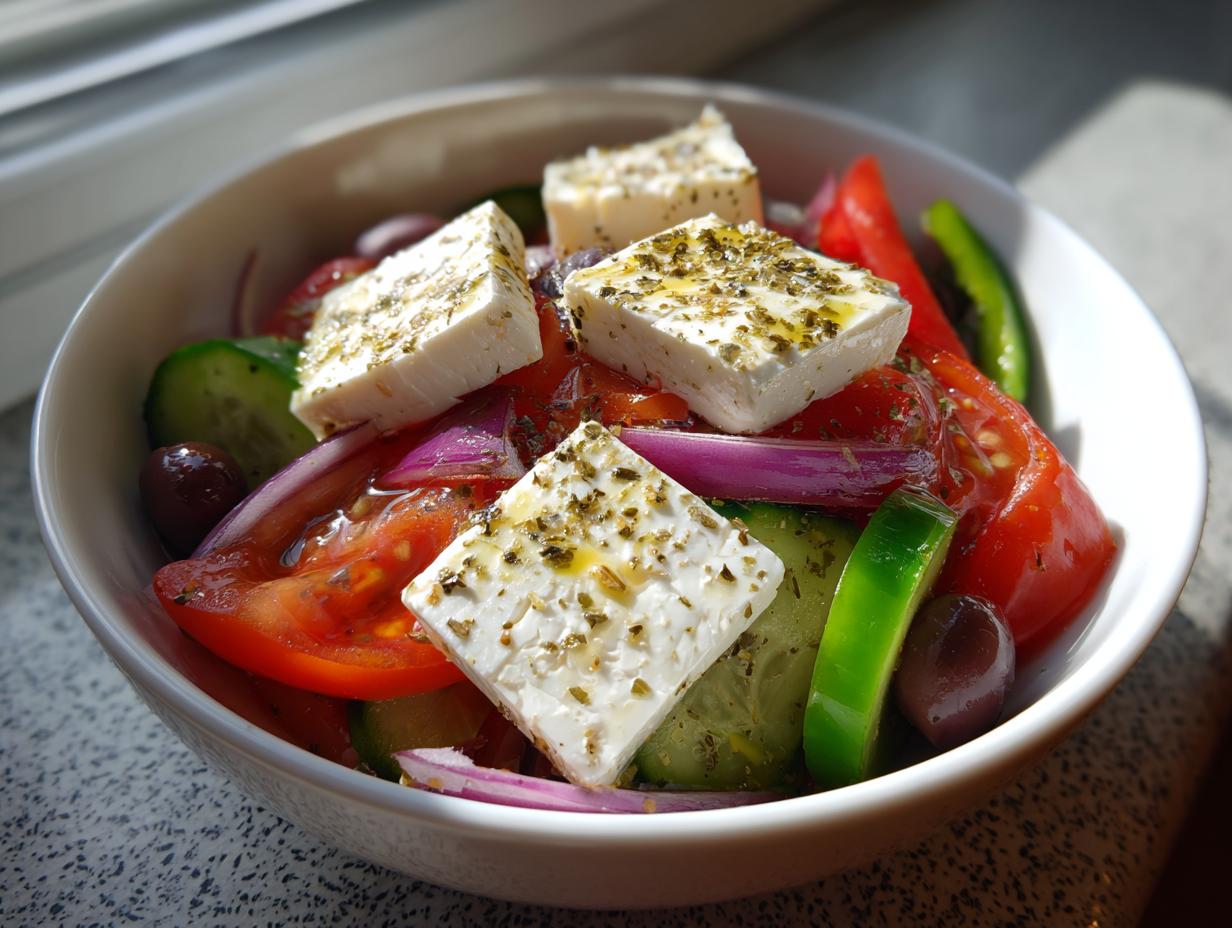
Are you tired of watery, boring salads that taste like wet lettuce and sad toppings? Me too! That’s why I’m so excited to share what I truly believe is the best weeknight dinner savior: the authentic Greek salad, or as we call it in Greece, Horiatiki! Forget everything those chain restaurants try to sell you; this is totally lettuce-free, bursting with flavor, and I promise you can have it on the table in about 15 minutes. Here at DeliceRecipe, we believe food should taste like something real, something classic, and that’s exactly what founder Ellie Vance aimed for—that true, clean Mediterranean flavor you can rely on every single time.
- Why This Authentic Greek Salad Recipe Stands Out
- Ingredients for Your Fresh Greek Salad
- Crafting the Tangy Greek Salad Vinaigrette
- Step-by-Step Instructions for the Authentic Greek Salad Recipe
- Ingredient Notes and Substitutions for Your Feta Cheese Salad
- Making This Greek Salad Work for Meal Prep and Diet Plans
- Serving Suggestions for This Vibrant Vegetable Salad
- Frequently Asked Questions About Making Greek Salad
- Storage and Reheating Instructions
Why This Authentic Greek Salad Recipe Stands Out
This isn’t just another bowl of vegetables; this is the real deal, and it’s shockingly fast. If you’re looking for a genuinely fresh, Mediterranean experience that doesn’t require turning on the stove, this is it. Trust me, the few little secrets here make a huge difference in flavor.
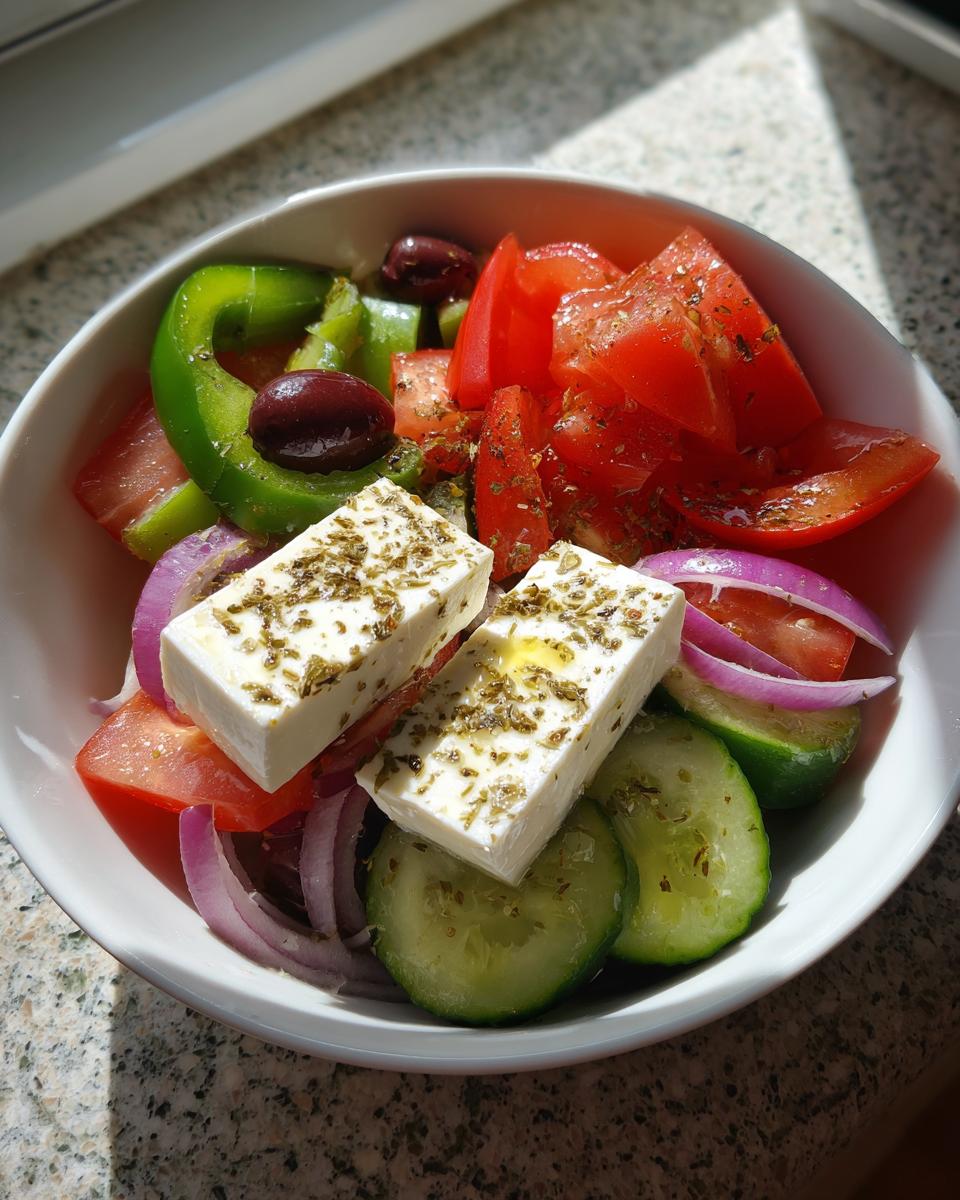
- The True Horiatiki Greek Salad Experience: We skip the lettuce entirely! Traditional Horiatiki is all about big chunks of tomato, crisp cucumber, sharp onion, salty feta, and a handful of briny olives. That’s purity right there.
- Quick Healthy Salad Preparation: Seriously, you can whip this up faster than you can order takeout. It needs about 15 minutes of chopping, making it the perfect light lunch ideas for a slammed weeknight.
The True Horiatiki Greek Salad Experience
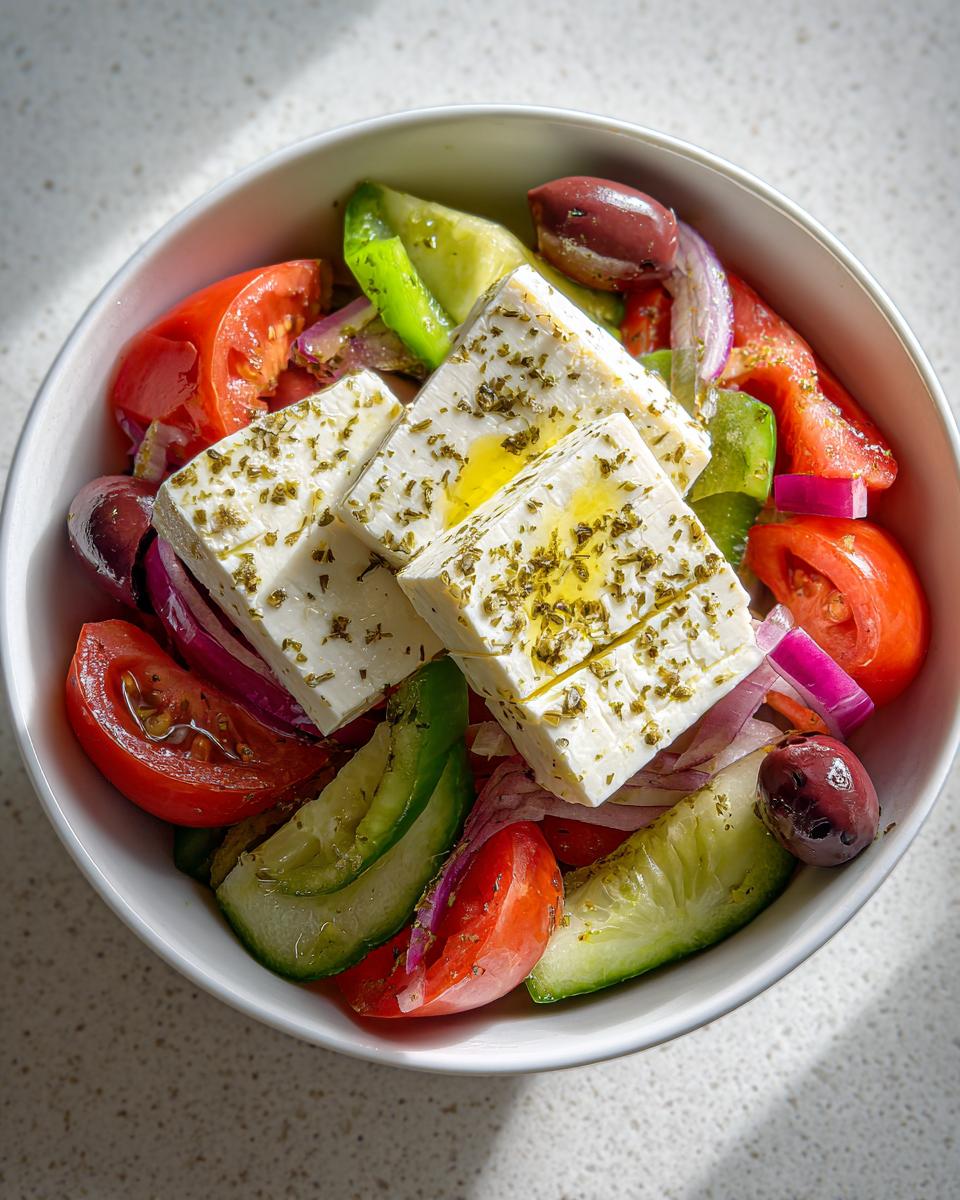
Okay, listen closely: authentic Greek salad, the kind they serve in the tavernas right by the Aegean Sea, does not have lettuce. Not one leaf! People sometimes get nervous about that, but when you have perfect, ripe tomatoes, great cucumber, good red onion, Kalamata olives, and quality feta, you don’t need fillers. These core ingredients do all the heavy lifting for flavor.
Quick Healthy Salad Preparation
When I’m rushing between errands or just don’t want to heat up the kitchen in the summer, this Horiatiki is my hero. Prep time is just about 15 minutes because nothing needs cooking—it’s entirely veggie chopping and whisking a dressing. It keeps you feeling wonderfully light and satisfied way better than any heavy meal.
Ingredients for Your Fresh Greek Salad
You only need a handful of things for this salad, but what you buy matters way more than quantity. Seriously, sourcing the best produce and that amazing salty feta is half the battle won. You don’t need a ton of fancy oils or spices; just good, sturdy ingredients that taste like summer. Remember when I mentioned buying block feta? That’s crucial, so make sure you grab one!
Here is exactly what you need to gather up for four generous servings. Don’t skimp on the tomatoes; those juicy ones really carry the dish. If you want more ideas on delicious vegetable pairings, you might check out my coleslaw recipe for inspiration, though this salad is way simpler!
- Three large, ripe tomatoes, cut into nice big wedges.
- One very large English cucumber—peel it and slice it into thick half-moons. We don’t want wimpy slices here!
- One green bell pepper, seeded and sliced up.
- About half a red onion, sliced paper-thin.
- A full cup of Kalamata olives—whole or pitted, whichever you prefer, but they have to be Kalamatas!
- A big eight-ounce block of feta cheese, cut into chunky cubes. Don’t you dare reach for the pre-crumbled stuff; it gets dusty!
- A quarter cup of good quality extra virgin olive oil. This is super important for that Mediterranean taste.
- Two tablespoons of sharp red wine vinegar.
- One teaspoon of dried oregano, the good aromatic stuff.
- Half a teaspoon of sea salt.
- A quarter teaspoon of black pepper.
Crafting the Tangy Greek Salad Vinaigrette
This dressing is truly what takes a bowl of vegetables and makes it sing! Seriously, don’t even think about reaching for a bottled dressing here. The flavors just aren’t the same. We’re making a classic, bright, and absolutely tangy Greek vinaigrette that coats everything perfectly. The quality of your olive oil will shine through here, so use the nice extra virgin one we talked about earlier—it makes the whole salad shine!
Tips for the Easy Greek Salad Dressing
When you mix the oil and vinegar, you really need to whisk it with some energy! I always tell people to whisk like they mean it. You won’t get a full, thick emulsion like a creamy dressing, but you want it to come together nicely so the oil carries the vinegar evenly onto the tomatoes. Also, use dried oregano here; it’s more pungent and traditional for the dressing than fresh oregano, which can sometimes taste a bit grassy when raw.
Step-by-Step Instructions for the Authentic Greek Salad Recipe
Alright, this is where we put it all together! Making this authentic Greek salad is all about timing and respecting the ingredients. We’re not just dumping everything in a bowl and shaking it up. If you follow these simple steps, you will get that perfect rustic presentation where the vegetables are coated but the feta stays whole and pristine. This process takes just a few minutes, but it’s crucial if you want that classic Horiatiki look!
Vegetable Preparation for Perfect Greek Salad Texture
First up, we prep! The way you cut these vegetables is important for texture and how they hold up to the dressing. Make sure those tomatoes are cut into nice, sturdy wedges—not too tiny or they dissolve! For your cucumber, I really want you to cut those into thick half-moons, maybe about half an inch thick. These bigger pieces won’t get soggy instantly, which means your salad lasts longer, even if you’re keeping it around for a little while. Slice your pepper and then try cutting that red onion super thin so you get a little bit of that sharp bite in every bite, but it doesn’t dominate!
Assembling the Horiatiki Salad Layers
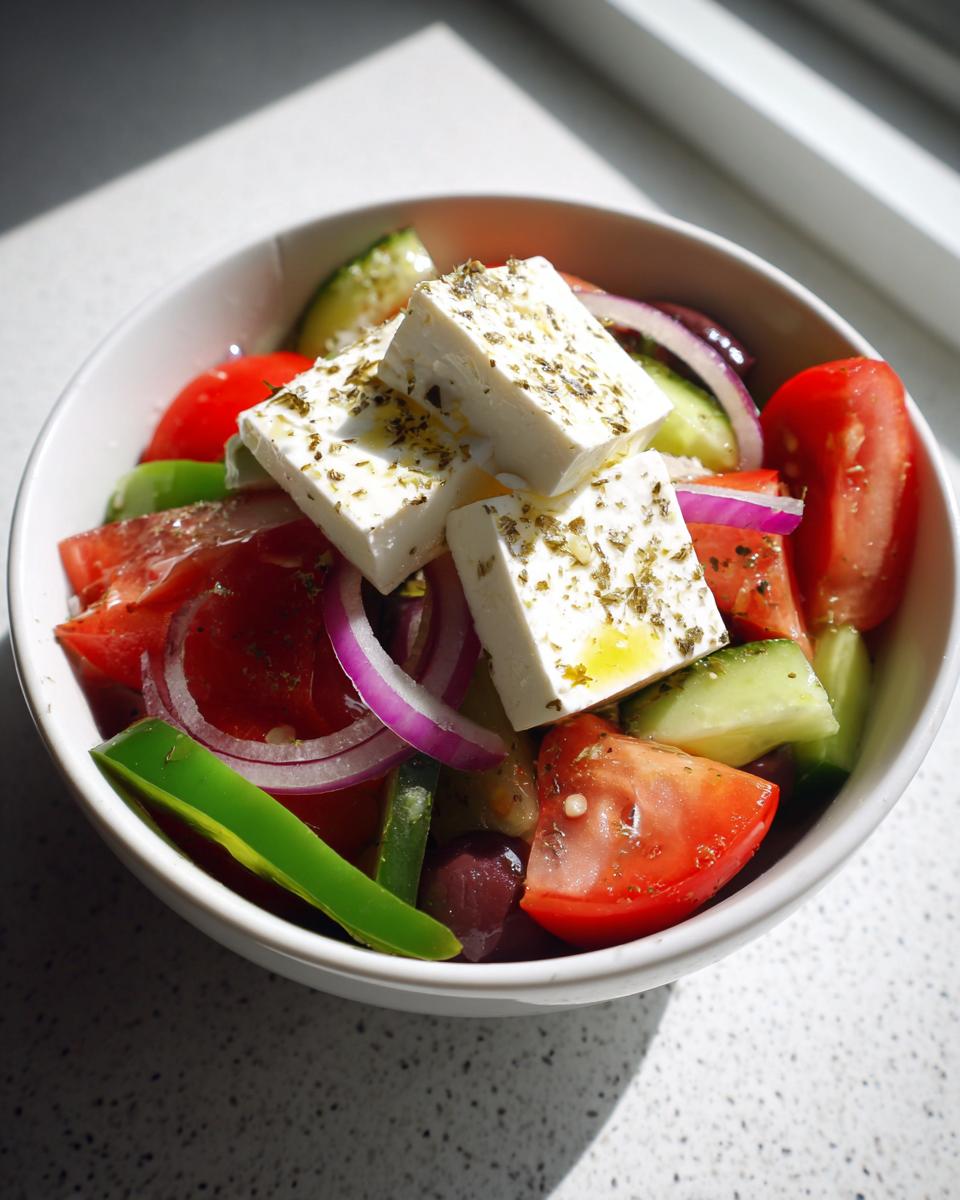
Once all your veggies and olives are mingling in that big bowl, pour about three-quarters of your bright, tangy dressing over them (save that last bit!). Gently toss everything until the vegetables look glossy and coated. Now, here is the Golden Rule! Take your beautiful cubes of feta cheese and carefully arrange them right on top of the dressed vegetables. Do not, under any circumstances, toss the feta with the rest of the salad mixture! That just breaks it up into crumbles. After the feta is sitting proudly on top, you drizzle the very last bit of your dressing right over the cheese and then give it a final sprinkle of dried oregano. That’s how you get those gorgeous, intact feta cubes soaking up everything right before you serve. Perfection! For more amazing vegetable ideas, you should check out my recipe for a cucumber and beetroot salad!
Ingredient Notes and Substitutions for Your Feta Cheese Salad
I constantly get asked about the feta, and honestly, this is where you make or break this whole greek salad experience! You absolutely must seek out a block of feta that is packed in brine, not the dry, pre-crumbled stuff. The wet brine keeps the cheese creamy and intensely salty in the right way. If you crumble that dry stuff in, you just end up with little salty bits floating around instead of those wonderful, solid chunks.
For the onion, red onion is traditional because it’s a bit sweeter than yellow onion, but if you find raw red onion too intense, here’s my little trick: you can soak the thinly sliced rings in ice water for about ten minutes before adding them to the bowl. That takes the harsh, biting edge right off! It’s a small step, but I learned little tips like that from watching my mom over the years. If you want to see how I use feta in other ways, take a peek at my recipe for goat cheese bites!
Making This Greek Salad Work for Meal Prep and Diet Plans
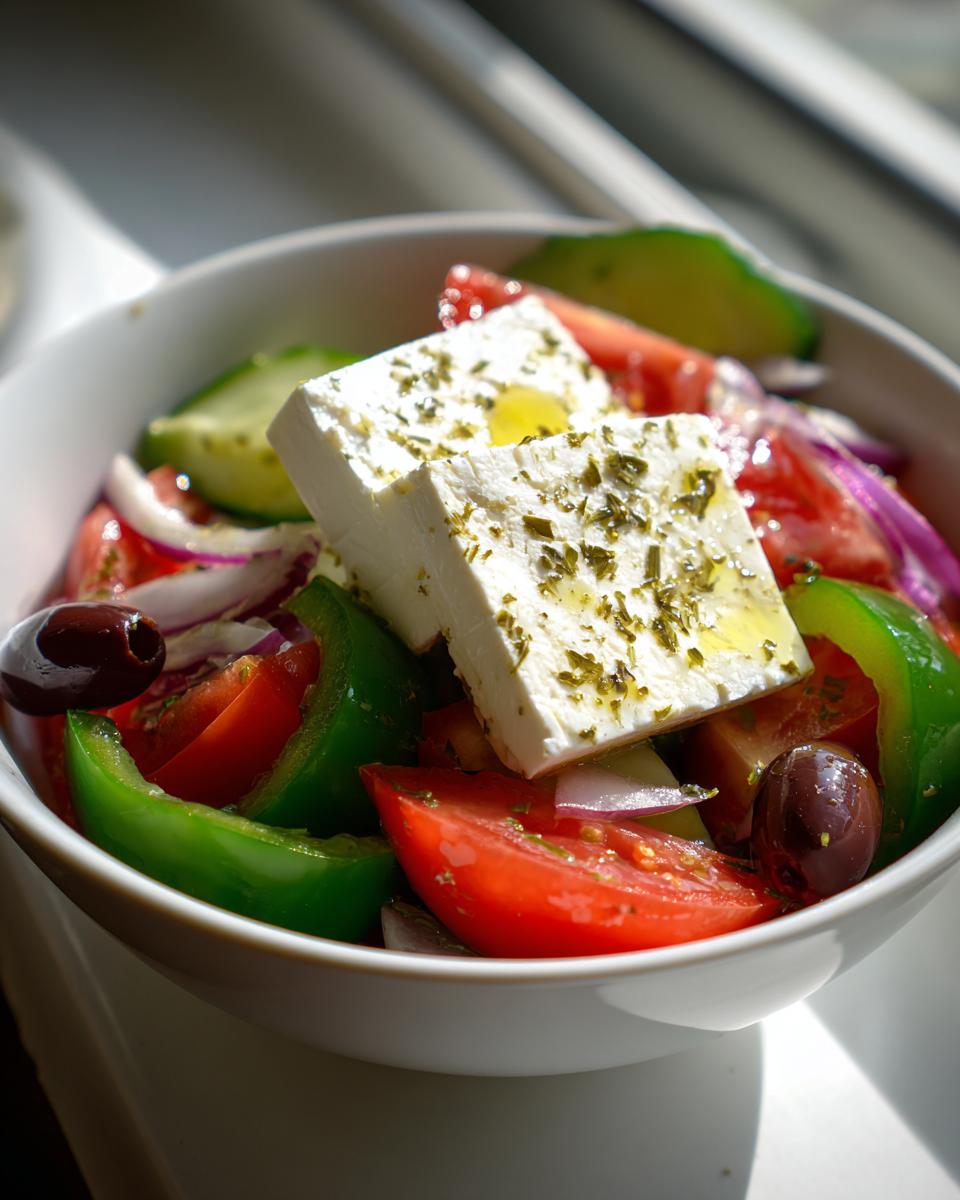
I know a lot of us are trying to keep things organized during the week, and this fresh Greek salad is absolutely fantastic for that! Since it’s so vegetable-forward, it fits right into any healthy eating goals you might have, whether that’s Mediterranean-focused or just trying to eat lighter. The key to successful meal prep, though, is separation. You cannot dress this salad the night before, or you get a sad, waterlogged situation that tastes nothing like Greece.
For those of you who spend time organizing your weekly meals, this is a definite win. It’s one of those amazing salad meal prep options that requires zero stove time, making it an ideal choice for those nights when you crave **no cook dinner ideas**.
Pairing Your Greek Salad with Meal Planning
When you think about wider **meal planning**, this Horiatiki is a fantastic backbone for lighter eating. You can prep the veggies all at once on Sunday—chop the cucumbers, slice the peppers—and keep them in an airtight container. Keep the feta cubed separately, too! The dressing is simple to make ahead. You just store everything separately, and when lunchtime or dinnertime rolls around, you toss it together in seconds. If you’re looking at structured eating plans, this fresh, light dish supports those goals beautifully, much like what you’d find in pre-packaged meal delivery companies, but way fresher!
Serving Suggestions for This Vibrant Vegetable Salad
This classic Greek salad is so bright and fresh, it feels like sunshine in a bowl, which means it needs a partner that won’t fight its amazing flavor profile! Because it is so simple and acidic, it cuts through richer foods beautifully. Think of it as your go-to **summer side dish recipes** champion.
It is absolutely heavenly alongside anything grilled, like juicy chicken skewers or flaky white fish, because those clean, tangy juices mix perfectly with the olive oil in the salad. Honestly, I sometimes make a huge batch just to eat alongside pita bread dipped in hummus. And if you’re looking for a main dish that keeps things light, you should check out my shrimp and orzo recipe; it pairs wonderfully!
Frequently Asked Questions About Making Greek Salad
It’s funny how many little things people ask me about this salad! It seems simple, but getting that authentic taste just right is what people are looking for. Since we aren’t using any lettuce, folks often have questions about technique, especially around the cheese and olives. I gathered up some of the usual questions I hear about Horiatiki to make sure you feel 100% confident making this fresh Mediterranean salad.
Can I add lettuce to my Greek Salad?
If you are making authentic Horiatiki, the answer is a firm no! Traditional Greek salad is defined by the chunky vegetables, not the greens. However, if you are someone who just absolutely needs that crunch, go for it! Just make sure you toss the lettuce separately with a tiny bit of the tangy dressing first, and then layer the Horiatiki components on top. You want to keep that beautiful, uncut feta block and juicy tomatoes separate from the watery greens.
What is the best type of olive for this cucumber tomato olive salad?
You simply have to use Kalamata olives for this one. They have that deep purple color and that specific fruity, slightly sharp brine flavor that is signature to this dish. Honestly, if you use those black, waxy jarred olives, you’re going to lose that authentic Greek edge. Make sure you get good ones that aren’t swimming in an overly salty or sweet brine; you want them just briny enough to complement the feta!
If you’ve made this amazing salad, you’ll probably need something cool and creamy to go alongside it! You might love my recipe for Tzatziki sauce—it uses some of the same fresh profiles!
Storage and Reheating Instructions
Now, here’s the honest truth about this stunning Greek salad: it really, really doesn’t like to be stored. That’s the trade-off for using such incredibly fresh, beautiful produce! The tomatoes and cucumbers release their juices pretty quickly once they mix with the vinegar, and overnight, you end up with a watery mess instead of a crisp side dish. So, if you can help it, don’t plan on leftovers unless you are prepared to eat them immediately.
However, we can play smart here, especially if you’re trying to use this as part of your general meal prep strategy! This salad is only as good as its freshest moment, which is right after you dress those veggies and top them with the feta. So, the trick is prepping in stages.
Your dressing? That tangy Greek vinaigrette is perfectly fine! You can whisk up a batch and store it in an airtight jar in the fridge for up to a week. Just give it a good shake or whisk before you use the rest of it. The vegetables—the tomatoes, cucumber, and onion—can also be chopped ahead of time. Store them in separate, sealed containers so they stay nice and dry.
When you are ready to eat, just combine the chopped veggies, throw in your olives, place your perfect feta blocks on top, and drizzle with the dressing you made earlier. If you try to save the whole dressed salad, honestly, it won’t be worth the effort. It’s a “make it and love it now” kind of dish!
PrintAuthentic No-Lettuce Greek Salad (Horiatiki) with Tangy Vinaigrette
Make a fresh, authentic Greek salad (Horiatiki) without lettuce. This quick recipe features crisp vegetables, salty feta, Kalamata olives, and a bright, tangy homemade vinaigrette, perfect for a light lunch or side dish.
- Prep Time: 15 min
- Cook Time: 0 min
- Total Time: 15 min
- Yield: 4 servings 1x
- Category: Salad
- Method: No Cook
- Cuisine: Greek
- Diet: Vegetarian
Ingredients
- 3 large ripe tomatoes, cut into wedges
- 1 large English cucumber, peeled and sliced into thick half-moons
- 1 green bell pepper, seeded and sliced
- 1/2 red onion, thinly sliced
- 1 cup Kalamata olives, whole or pitted
- 8 ounces block feta cheese, cut into large cubes (do not crumble)
- 1/4 cup extra virgin olive oil
- 2 tablespoons red wine vinegar
- 1 teaspoon dried oregano
- 1/2 teaspoon sea salt
- 1/4 teaspoon black pepper
Instructions
- Prepare the vegetables: Cut the tomatoes into wedges, slice the cucumber thickly, slice the bell pepper, and thinly slice the red onion. Place all prepared vegetables and the Kalamata olives into a large mixing bowl.
- Make the dressing: In a small bowl, whisk together the olive oil, red wine vinegar, dried oregano, sea salt, and black pepper until combined.
- Assemble the salad: Pour about three-quarters of the dressing over the vegetables and gently toss to coat.
- Add the feta: Arrange the feta cheese cubes on top of the dressed vegetables. Do not toss the feta with the vegetables.
- Finish: Drizzle the remaining dressing over the feta cheese. Sprinkle a little extra dried oregano over the feta. Serve immediately.
Notes
- For the most authentic flavor, use a good quality block of feta stored in brine, not pre-crumbled feta.
- This salad is best served immediately after assembly to keep the vegetables crisp.
- If you are preparing this for meal planning, keep the dressing separate and dress the salad just before serving.
- This recipe pairs well with meal planning strategies focused on fresh, light eating.
Nutrition
- Serving Size: 1 serving
- Calories: 350
- Sugar: 6
- Sodium: 750
- Fat: 30
- Saturated Fat: 10
- Unsaturated Fat: 20
- Trans Fat: 0
- Carbohydrates: 15
- Fiber: 4
- Protein: 12
- Cholesterol: 40