
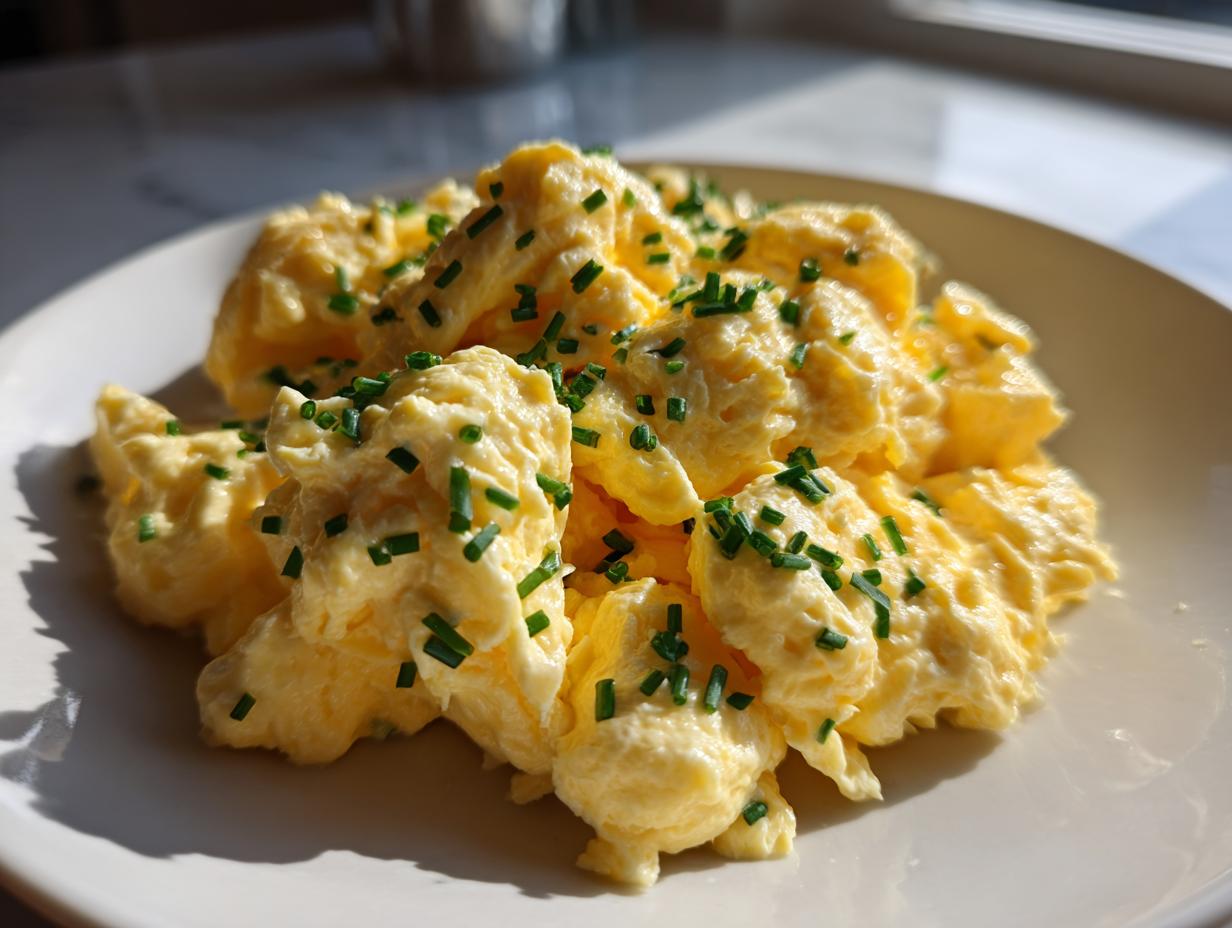
You know, there’s just nothing quite like pulling up a chair to the table when someone’s made a perfect plate of scrambled eggs. It’s the universal sign that breakfast is served! But here’s the thing: everyone seems to want something different. Some folks want those big, fluffy clouds, while others dream of velvety, soft-cooked eggs that just melt in your mouth. It used to feel like you had to choose one or the other, right?
Well, I’ve got the secret for you today. We are making the ultimate batch of scrambled eggs that manages to be both spectacularly fluffy *and* completely creamy. Trust me, this technique is exactly what DeliceRecipe is all about—taking simple, classic dishes and making them foolproof and full of flavor, just like Eleanor learned in her grandmother’s kitchen. Forget rubbery eggs; we’re going low and slow for the best bowl you’ve ever made.
If you’re looking for more reliable ways to kickstart your mornings, you absolutely have to check out our guide to easy breakfast ideas for when you’re short on time!
- Why This Is The Ultimate Fluffy and Creamy Scrambled Eggs Recipe
- Ingredients for Perfect Scrambled Eggs
- Mastering Breakfast Eggs: Step-by-Step Instructions for Scrambled Eggs
- Tips for Success When Making Soft Cooked Eggs
- Variations: How to Customize Your Scrambled Eggs
- Serving Suggestions for Quick Egg Meals
- Storage and Reheating Instructions for Scrambled Eggs
- Frequently Asked Questions About Scrambled Eggs
- Planning Your Next Wholesome Morning Food
Why This Is The Ultimate Fluffy and Creamy Scrambled Eggs Recipe
What makes this the recipe you’ll stick with forever? It’s all about texture, darling! Most people cook eggs hot and fast, which results in dry, spongy eggs. No thank you! We are aiming for the gold standard here—the kind of soft, custardy dish that truly feels like a gourmet egg breakfast, even though it takes almost no real effort. This technique ensures you get both the lift associated with the Best Fluffy Eggs and the luxurious richness of velvety scrambled eggs.
We never want to rush breakfast. By keeping the heat super low, we gently coax the egg proteins to set up slowly. This painstaking process, which is a cornerstone of DeliceRecipe methods, prevents those tough curds from forming. It truly is the key to fantastic perfect egg texture tips.
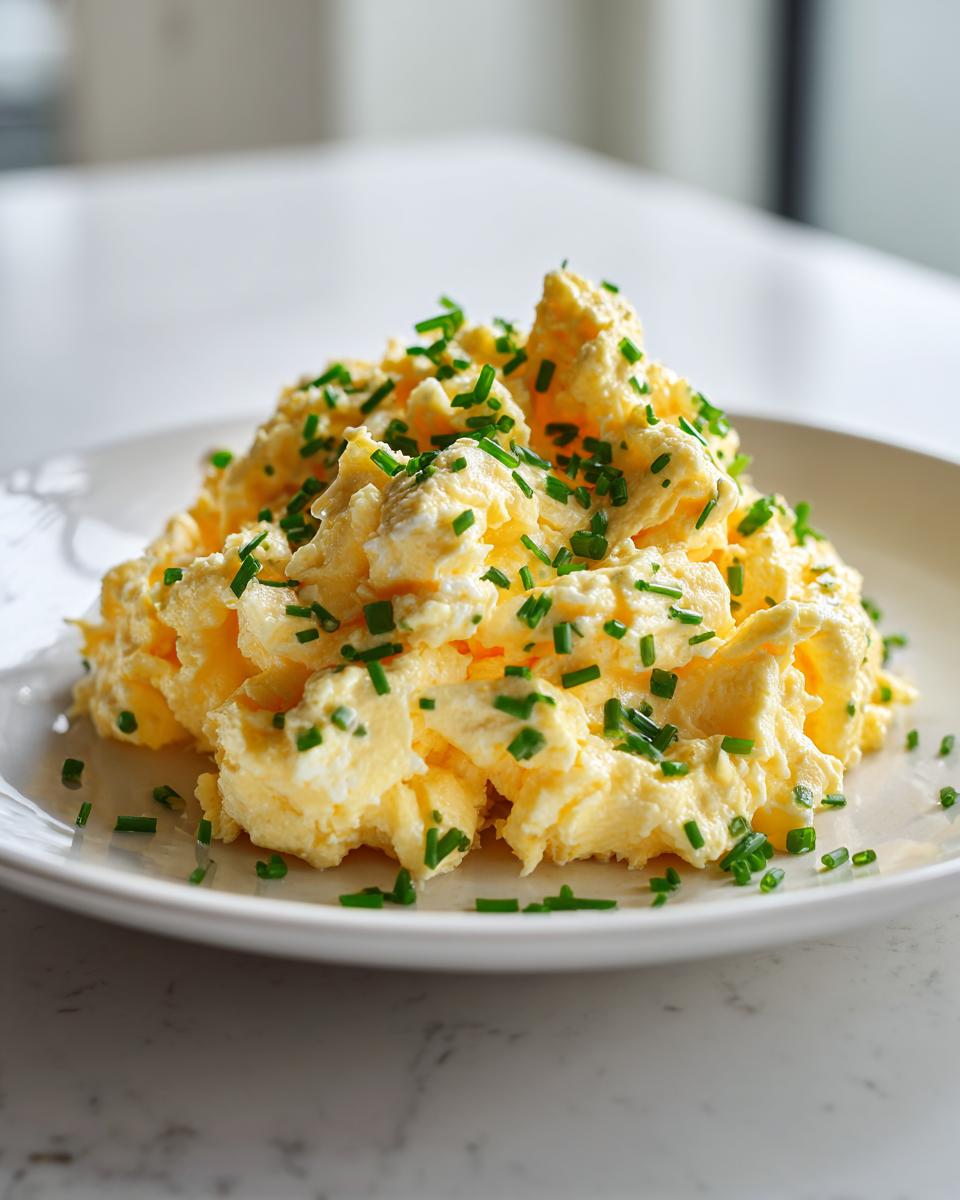
Achieving Perfect Egg Texture Tips Every Time
The great secret here is balance, honey. Fluffy often comes from vigorous whisking, which incorporates air, but creamy requires slow heating to keep the curds small and tender. Our method cleverly achieves both! The addition of cream gives the needed moisture for that smooth, almost buttery mouthfeel, while our gentle stirring technique builds those beautiful, slightly larger curds that look so appealing and fluffy when served fresh.
Ingredients for Perfect Scrambled Eggs
You don’t need a pantry full of fancy stuff to make truly incredible scrambled eggs. Honestly, the fewer ingredients, the better, because it lets the quality of the eggs shine through! I always keep these few basics on hand for a fantastic morning meal. This recipe, by the way, is naturally Gluten Free, so everyone at the table can enjoy it!
Here is what you’ll need:
Four large eggs go into your bowl.
Two tablespoons of either half and half or heavy cream—this is crucial for that creamy texture!
One tablespoon of good quality unsalted butter; we need that fat for flavor, remember?
A quarter teaspoon of salt, always taste before adding more!
Just a tiny pinch of black pepper.
And finally, if you’re feeling fancy, one teaspoon of fresh chives, finely chopped. They just make everything look gourmet!
Ingredient Notes and Substitutions for Scrambled Eggs
Let’s talk dairy for a second because this small choice makes a big difference in your final texture. If you want things super rich, almost custard-like, stick with the heavy cream. It has less water content, which means richer flavor and a denser, more velvety scramble. If you prefer something a bit lighter but still wonderfully smooth, half and half is perfect.
Now, if you happen to be fresh out of cream or half and half, don’t panic! Remember what I mentioned in the notes? For incredible richness, you can actually swap that dairy out and mix in about one teaspoon of softened cream cheese right along with your eggs before you whisk them up. It melts right in during cooking and gives you that delightful, tangy lift. See? We always have a backup plan in the kitchen!
Mastering Breakfast Eggs: Step-by-Step Instructions for Scrambled Eggs
Alright, let’s get these beautiful eggs on the stove! The beauty of this method is that our prep time is lightning fast—just about three minutes to get everything ready. But here’s where you need to pay attention: the cooking itself takes a little patience, around seven minutes total. We are doing this slowly because those simple egg techniques are what separate a decent scramble from a truly amazing, melt-in-your-mouth meal.
Preparation: Whisking and Seasoning Your Scrambled Eggs
First things first: the whisking. Don’t just poke them with a fork! You need vigor here. Grab a bowl and whisk those four eggs like you mean it. You want them frothy and fully combined—no streaks of clear white left! This is important for achieving that overall uniform texture. Once they look airy, pour in your cream or half and half, and sprinkle in that salt and pepper. Give it a final quick whisk just to incorporate the seasoning, but don’t deflate all that beautiful air you just beat in!
Cooking Technique: Low Heat for Creamy Scrambled Eggs
This is the make-or-break moment! Put your non-stick skillet on the stove, but only put the heat to low. Seriously, low. Add your butter and let it melt until it just foams—we do NOT want brown butter here. Pour in your seasoned eggs. Now, resist the urge to stir immediately! Let them hang out for about 30 seconds, just until you see the very edges start to look a little set. That’s your cue.
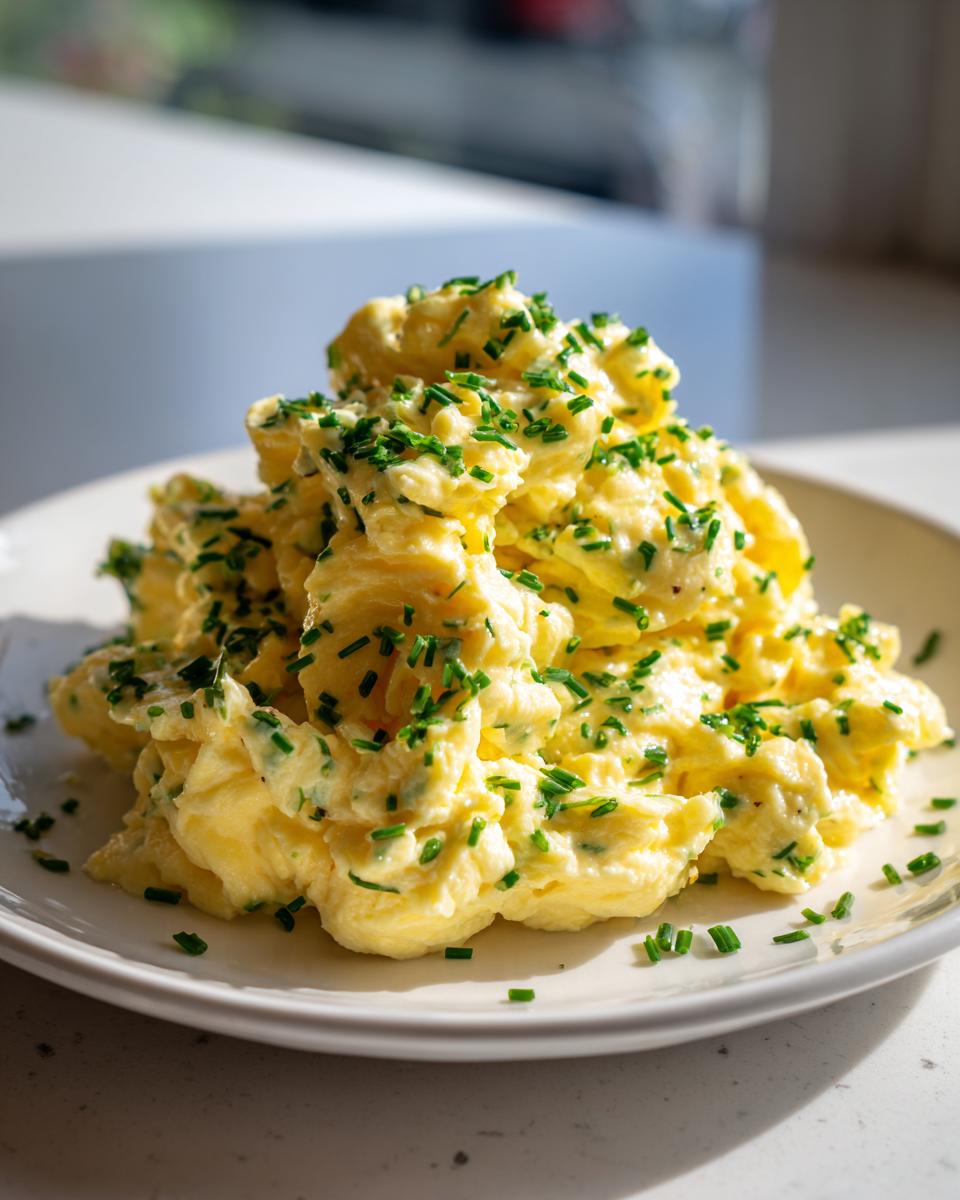
Now, we push, not scramble. Take your rubber spatula and gently push the cooked egg from the edge toward the center. Tilt the pan so the runny, uncooked egg flows right into that space you just cleared. Keep doing this slow push and fold, constantly rearranging the eggs so they cook evenly and softly. This gentle folding is what gives you those soft cooked eggs everyone dreams about. If you rush this stage, your eggs will tighten up and get tough. We keep going, low and slow, until they look glossy and juicy, even though they look mostly done. Remember, they keep cooking even once they are off the heat!
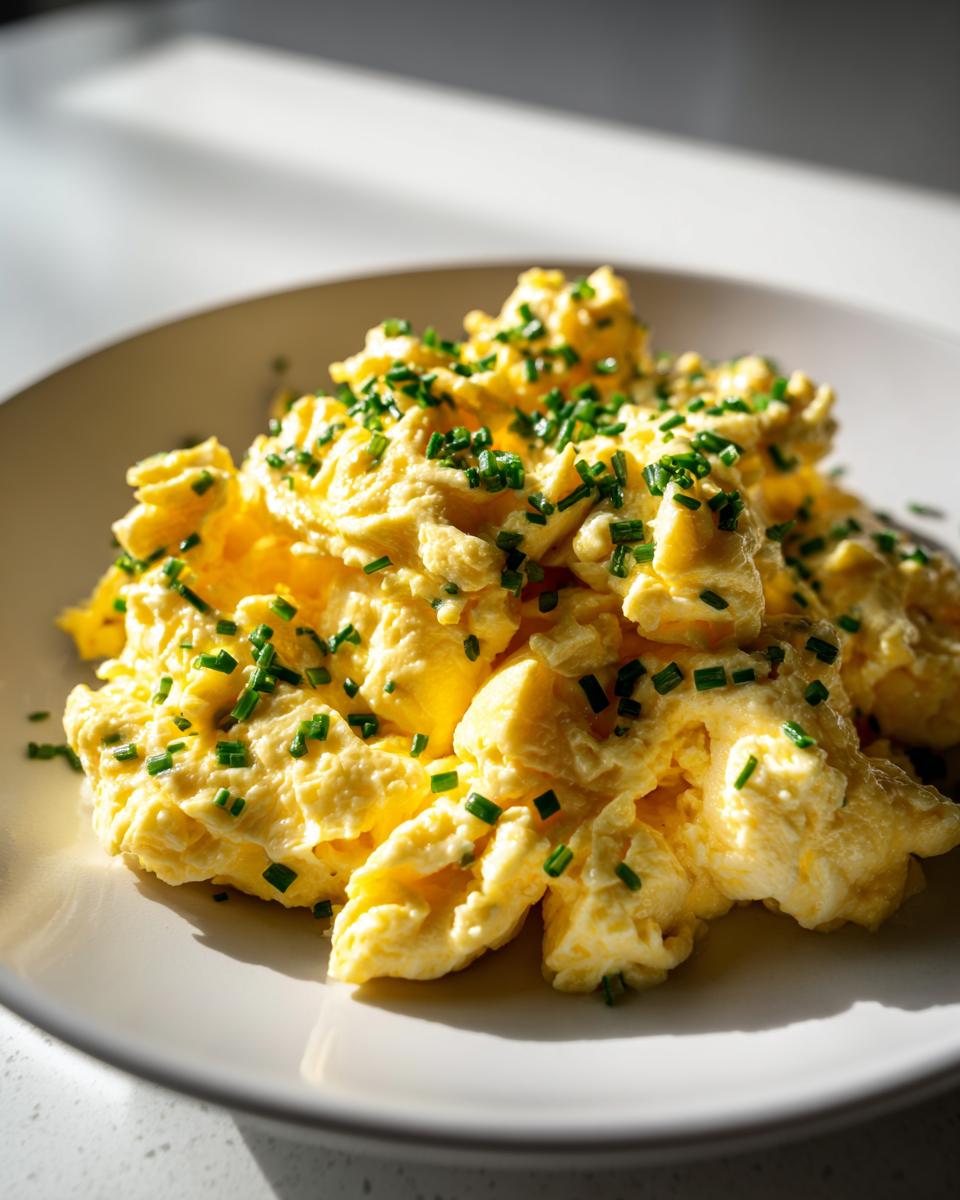
Tips for Success When Making Soft Cooked Eggs
Okay, we’ve mastered the slow cook, but I have a few more tricks up my sleeve that really take these scrambled eggs from great to show-stopping. These little details are what separate people who just *make* eggs from people who truly understand perfect egg texture tips. Honestly, it’s the reliability of the outcome that matters most on a busy morning, right?
First up: the pan is your best friend. Please, for the love of perfect breakfast, use a good non-stick pan, especially for this method! Because we aren’t using harsh scrubbing motions or high heat, a quality non-stick surface ensures those beautiful, delicate curds slide right out without leaving anything behind. Cleaning up is practically instant, which definitely helps keep those quick egg meals feeling quick!
The single most authoritative tip I can pass on, though, is about timing the finish. Seriously, treat the stove with suspicion near the end! When you think your scrambled eggs are *just* about done—meaning they still look wet, glossy, and slightly underdone—you have to pull the pan off the burner immediately. Don’t wait for them to solidify in the hot pan!
This is called carryover cooking, and it’s vital for achieving that soft cooked egg consistency. That residual heat clinging to the pan’s surface will finish cooking the eggs perfectly over the next minute or two as you plate them. If you wait until they look perfect in the pan, they’ll be overcooked and tough by the time they hit your plate. Trust me on this—take them off early, and enjoy that velvety result!
Variations: How to Customize Your Scrambled Eggs
While I’m completely devoted to the pure, elegant simplicity of the butter, cream, and egg base, I totally get that sometimes you want to jazz things up! Making these base scrambled eggs perfect is just the first step; they are such a fantastic canvas for adding little extras to turn them into a true gourmet egg breakfast.
When I make a batch for myself mid-week, I nearly always toss in some fresh herbs. If you look at the ingredient list, I mentioned fresh chives, and oh my goodness, they are the superstar addition here. Finely chopped chives add this bright, clean oniony finish without any of the hassle of sautéing onions first. Just stir them in right at the very end, off the heat, and watch the eggs go from simply delicious to looking like something from a fancy brunch spot.
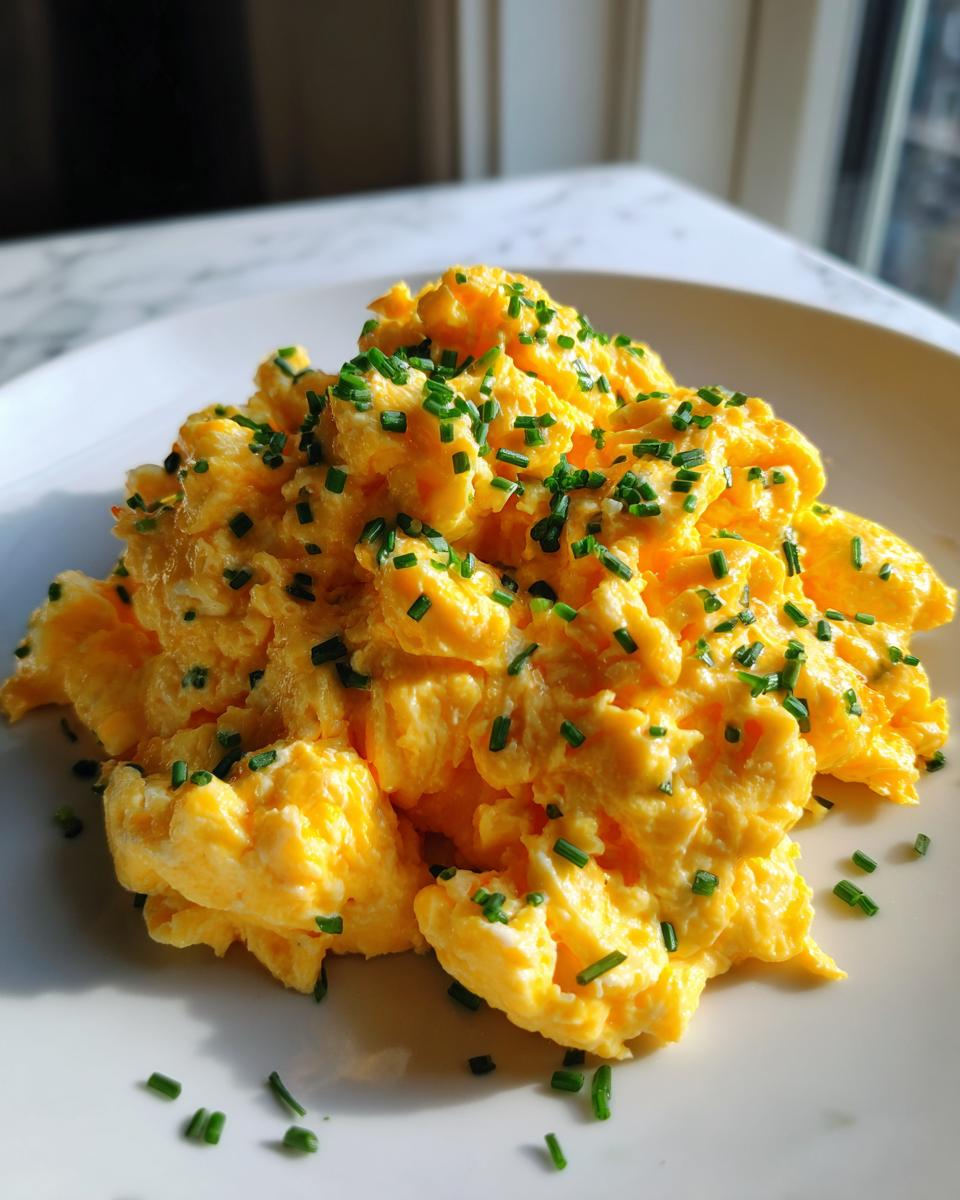
If you’re looking for richer flavor and a bit more substance, think about adding cheese. When talking about scrambled eggs with cheese, the timing is everything here, just like with our main recipe! You don’t want to dump a cup of cold cheddar in when the eggs are still runny, or it will cool everything down and make them rubbery. Wait until the eggs are almost finished cooking—they should still look slightly wet—and then sprinkle in your cheese.
I’m talking about a sharp cheddar or some crumbled goat cheese. Give the pan a gentle stir just until the cheese melts into ribbons throughout the eggs. It’s the perfect way to make quick egg meals feel indulgent! Remember, because we’re cooking low and slow, the eggs stay soft enough that the cheese melts beautifully into those small, tender curds. Enjoy experimenting!
Serving Suggestions for Quick Egg Meals
So, you’ve made the perfect, custardy pile of scrambled eggs. Congrats! Now what? These truly are the definition of comfort food morning meals because they come together so fast—we’re talking just about seven minutes of cook time, making them a fantastic 5 minute breakfast addition when you count the prep!
The classic presentation is always great. Just slide them onto a piece of buttered, toasted sourdough. The slight crunch of the toast against the velvety eggs? Perfection! That’s a simple, wholesome morning food right there. But if you’re looking for something a little more substantial, let’s talk about how to build a proper plate around these beauties.
For those of you watching your carbs, these eggs are naturally low carb, so they are begging to be served alongside some roasted asparagus or maybe just some sliced avocado sprinkled with everything bagel seasoning. They shine all on their own!
If you’re feeling like building a big brunch spread, these simple scrambled eggs are fantastic served next to crispy home fries. But my favorite way to use them when I’m in a hurry is actually rolling them up! They are the ideal filling for a quick breakfast taco, especially if you add a little pepper jack cheese. You can fold them into a warm tortilla—gluten-free wraps work great too—grab a dash of salsa, and you’ve got a completely portable, hearty meal ready to go. Who needs complicated meal prep when you have this recipe on hand?
Storage and Reheating Instructions for Scrambled Eggs
Now, I swear to you, these creamy scrambled eggs are at their absolute, undeniable peak the second they come off the heat. They are glossy, they are moist, and that velvety texture is totally intact. So, the first piece of advice I have is: don’t save them! Make just what you need for the moment, because honestly, nothing quite replicates that fresh-off-the-pan magic.
But hey, life happens, and sometimes you make a bigger batch than everyone manages to eat! If you do have leftovers, you need to handle them gently. Store them in an airtight container in the fridge. Don’t even think about leaving them sitting on the counter—they’re better off cold than dry!
When it comes time to reheat, forget the microwave unless you like sad, rubbery eggs. Microwaves heat too aggressively and instantly suck out any remaining moisture, turning your beautiful creations into little dry sponges. That’s not how we treat comfort food here!
The best path is on the stovetop. You need a small, non-stick pan—using a large one never works because the heat spreads too thin. Put the heat on the absolute lowest setting you have. Add just a tiny pat of butter, maybe half a teaspoon, and let it melt gently. Then, add your cold scrambled eggs to the pan.
Now, this is key: add just a tiny splash of extra cream or even a little water before stirring. Stir them continuously on that super low heat. You are not trying to cook them again; you are just trying to gently bring them back up to temperature. As soon as they look warm and slightly loose again, take them off. You will notice they lose a tiny bit of that initial fluffiness, but they will still be miles better than any microwaved leftovers. It’s all about preserving as much of that perfect egg texture as possible!
Frequently Asked Questions About Scrambled Eggs
It’s funny, even with a fantastic recipe right in front of you, sometimes you just have one little nagging question that pops into your head while you’re standing at the stove. That’s totally normal! We want you to feel 100% confident in mastering your easy breakfast recipes, so let’s clear up a few common things people ask about achieving those perfect fluffy scrambled eggs.
Is it better to use milk or cream for creamy scrambled eggs?
This is such a good question, and the answer really comes down to how rich you want them to be! For the absolute best, most velvety texture, heavy cream is the winner. It has a higher fat content and lowers the overall water ratio in the mix, which results in a richer, almost custardy bite. If you look at my recipe, I offered half and half as a slightly lighter option, which still works wonderfully. Milk, while it can be used, tends to make the eggs a bit thinner and less velvety, leaning them more toward the fluffy side than the super creamy side.
Should I use a whisk or a fork to beat the eggs?
Honestly, use whatever stirs things up best, but I swear by the whisk for the initial combination! For the preparation stage, you need to incorporate air into those eggs, which helps immensely with the fluffy texture later on. I use a wire whisk until I can no longer see any distinct streaks of white or yolk—it should look pale yellow and slightly frothy. If you only use a fork, you risk not fully breaking down the whites, which can lead to slightly watery spots in your final batch.
Can I make fluffy scrambled eggs without butter?
Technically, yes, you *can*, but please don’t! Butter is more than just fat; it’s flavor, and it plays a crucial role in making these mastering breakfast eggs so delicious. The butter melts into the pan and coats the egg proteins, which helps prevent sticking and contributes to that lovely sheen on the final curds. If you need a dairy-free alternative, I highly recommend using a good quality refined oil, like avocado oil, just be aware that you will miss out on that classic buttery depth of flavor.
Why do my scrambled eggs get tough so quickly?
That is almost always a heat issue! If you’re looking for soft cooked eggs, you must resist turning the heat up high. High heat shocks the egg proteins, forcing them to seize up immediately and squeeze out all their moisture, resulting in tough, dry curds. That’s why this recipe focuses so heavily on the low, slow cooking method we discussed. Remember that crucial tip: always pull the pan off the heat when the eggs still look slightly wet and glossy. They will continue to cook for a minute or two afterward, which finishes them perfectly without rubberizing them!
Planning Your Next Wholesome Morning Food
Whew! Now that you know the secrets to achieving truly spectacular scrambled eggs—the kind that manages to be both wildly fluffy and wonderfully creamy—I genuinely hope you’ll give this simple technique a try tomorrow morning. Seriously, take five minutes, respect the low heat, and tell me what you think!
I always love hearing back from you all! Did this become your new go-to recipe for wholesome morning food? Drop a comment below and let me know your rating and if you added your own twist. Did you try the cream cheese trick I snuck in the notes? I’m dying to know!
At DeliceRecipe, our whole point is making sure delicious food is accessible to real people with real schedules. Mastering these foundational recipes, like perfecting these classic breakfast dishes, frees up mental space so you can focus on the bigger picture. If you’re trying to streamline those busy weekday mornings even further, you might want to look into a solid meal planning system. Because once you have the basics down—like these eggs—the rest of the week suddenly feels so much easier to manage!
Happy cooking, friends. I can’t wait to see your incredibly soft and delicious results!
PrintThe Ultimate Fluffy and Creamy Scrambled Eggs Recipe

Master the technique for making perfectly soft, fluffy, and creamy scrambled eggs every time using simple ingredients and low, slow cooking.
- Prep Time: 3 min
- Cook Time: 7 min
- Total Time: 10 min
- Yield: 1 serving 1x
- Category: Breakfast
- Method: Stovetop Cooking
- Cuisine: American
- Diet: Gluten Free
Ingredients
- 4 large eggs
- 2 tablespoons half and half or heavy cream
- 1 tablespoon unsalted butter
- 1/4 teaspoon salt
- Pinch of black pepper
- 1 teaspoon fresh chives, finely chopped (optional)
Instructions
- In a medium bowl, whisk the eggs vigorously until the yolks and whites are fully combined and slightly frothy. Whisk in the half and half or cream, salt, and pepper.
- Place a non-stick skillet over low heat. Add the butter and let it melt completely until it foams slightly. Do not let the butter brown.
- Pour the egg mixture into the skillet. Let the eggs sit undisturbed for about 30 seconds until the edges just begin to set.
- Using a heat-resistant rubber spatula, gently push the cooked egg from the edge toward the center, tilting the pan so the uncooked egg flows underneath.
- Continue this gentle pushing and folding motion slowly across the pan. Keep the heat low. This process should take 5 to 8 minutes for a creamy texture.
- When the eggs are mostly set but still look slightly wet and glossy, remove the pan from the heat. The residual heat will finish cooking them to a soft consistency.
- Stir in the fresh chives, if using. Serve immediately.
Notes
- For the fluffiest results, do not over-whisk the eggs; stop when they are just combined.
- Cooking low and slow prevents the eggs from becoming tough or dry.
- If you prefer a richer flavor, substitute the cream with 1 teaspoon of softened cream cheese mixed in with the eggs before cooking.
- This recipe is a great base for quick egg meals or as part of a low carb breakfast.
Nutrition
- Serving Size: 1 serving
- Calories: 250
- Sugar: 1
- Sodium: 250
- Fat: 19
- Saturated Fat: 10
- Unsaturated Fat: 9
- Trans Fat: 0.5
- Carbohydrates: 2
- Fiber: 0
- Protein: 18
- Cholesterol: 550