
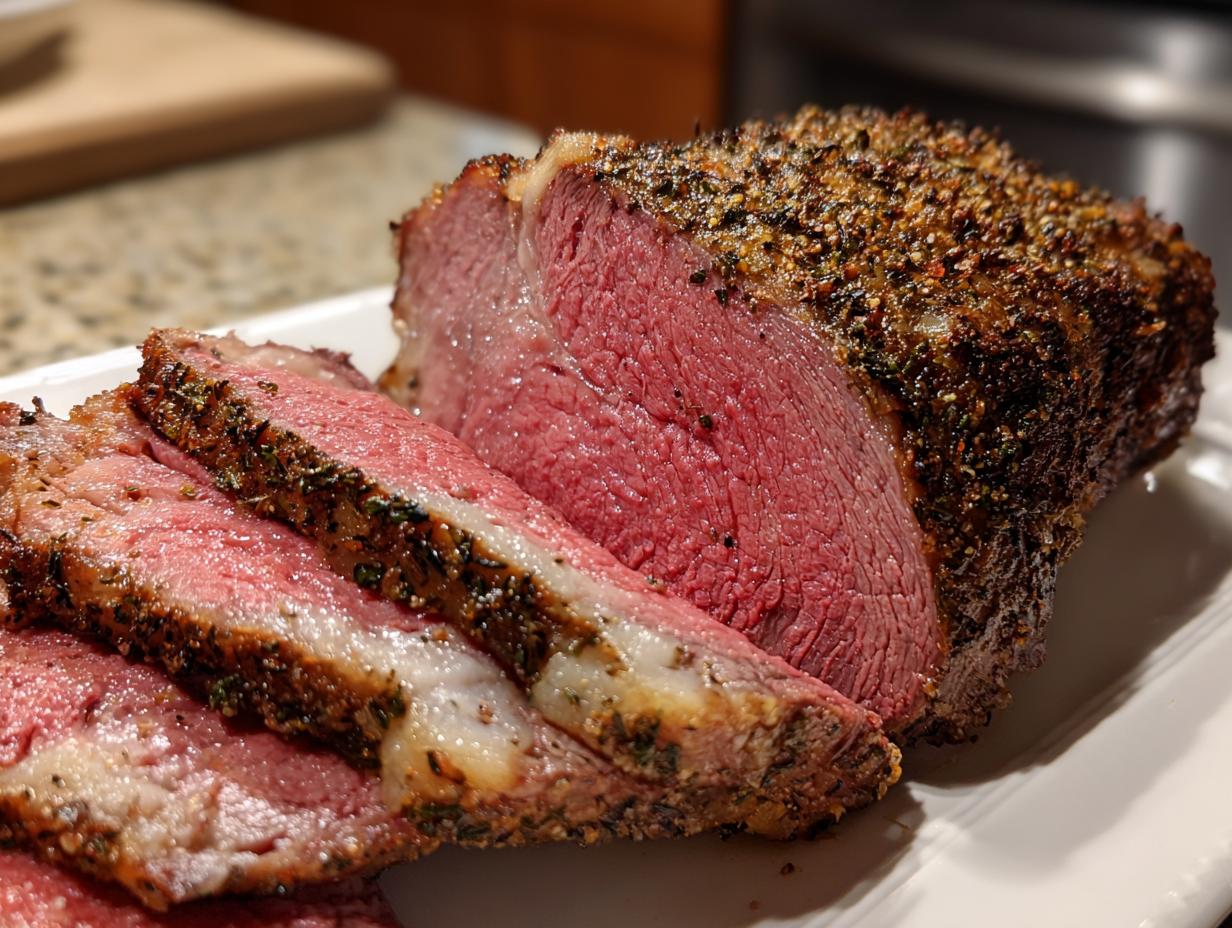
When the holidays roll around—Christmas, Thanksgiving, or just a big family gathering—you need a showstopper, right? Forget stressing out; I’m going to show you exactly how to nail that stunning centerpiece roast: the perfect reverse sear, herb-crusted prime rib recipe. This is the kind of comforting, deeply flavored beef that makes people stop talking when you carry it to the table. I’m Ellie Vance, and everything I share here at DeliceRecipe comes from my own kitchen, tested until it’s absolutely foolproof. Trust me, this method takes the intimidation right out of cooking a beautiful prime rib.
- Why This Reverse Sear prime rib Recipe Guarantees a Tender prime rib Roast
- Ingredients for the Perfect prime rib Roast
- Easy prime rib Instructions Using the Reverse Sear prime rib Guide
- Serving Suggestions for Your Holiday Roast Beef Centerpiece
- Storing and Reheating Leftover prime rib
- Tips for Impress Guests with Roast Beef
- Frequently Asked Questions About Cooking prime rib
- Understanding Nutritional Estimates for prime rib
- Share Your Perfect prime rib Results
Why This Reverse Sear prime rib Recipe Guarantees a Tender prime rib Roast
Okay, let’s talk technique. Most folks roast their prime rib hot and fast, and honestly, that often leads to a grey band of overcooked meat right under that beautiful crust. No thank you! That’s why we use the reverse sear method for our roast beef. It flips the script entirely.
We start low—really low—in the oven. This slow roasting lets the entire roast cook evenly from edge to edge. We monitor it closely with a thermometer until it hits that sweet spot, usually around 115 degrees Fahrenheit, ensuring you get that unbelievably tender, melt-in-your-mouth prime rib roast every single time. Consistency is king when you want a perfect medium rare roast, especially for the holidays.
Once it’s gently warmed through, we shock it with high heat. This contrast is what makes this technique magical, and it’s far more reliable than guesswork. If you’re looking for other low-and-slow beef triumphs, you should definitely check out my slow cooker pot roast recipe, but for this centerpiece, reverse sear is the way to go!
Achieving the Ultimate Herb Crusted prime rib Crust
That crispy, brown exterior? That’s the payoff! The butter and herb rub—that gorgeous garlic rosemary prime rib crust we make—is applied while the exterior is relatively cool. Because we use the low-and-slow method first, that herb crust slowly adheres and starts developing flavor without burning to a crisp.
When we finally blast it at 450 degrees, that high heat instantly sears the mixture with the fat from the butter overlaying the meat. That two-stage approach means we don’t just have tasty meat; we have a true Herb Crusted Prime Rib with an amazing textural contrast. It’s the best part, honestly! For more deep dives into technique, don’t forget to check out this guide on reverse sear prime rib.
Ingredients for the Perfect prime rib Roast
Getting the ingredient list right sets up your whole roast for success. You don’t need a million things, just the best quality you can find! Read these amounts carefully; precision matters here, especially as this big roast takes up a lot of roasting pan real estate.
- 1 (5-7 lb) bone-in prime rib roast (Ribeye roast) – yes, bone-in is usually best!
- 3 tablespoons coarse kosher salt
- 2 tablespoons black peppercorns, freshly cracked—make sure they are cracked, not ground!
- 1 tablespoon dried thyme
- 1 tablespoon dried rosemary
- 1 tablespoon garlic powder
- 4 tablespoons unsalted butter, softened—this is crucial for smoothness.
- 2 tablespoons olive oil
- 1 teaspoon Worcestershire sauce
Ingredient Notes and Substitutions for prime rib
First off, when you’re at the butcher asking for your prime rib, bone-in is what I always push for. Those bones act like little insulation jackets and flavor factories. If you absolutely have to use boneless, just know it’ll cook a bit faster, so watch that thermometer like a hawk!
Don’t skip that softened butter; we aren’t melting it, we are making a spreadable paste. If you run out of thyme, use a little extra rosemary, but try to keep the core flavors. Also? The size of your roast completely controls the timing in the slow cook phase. A seven-pound beauty will take longer than a five-pounder. That’s just science, honey!
Easy prime rib Instructions Using the Reverse Sear prime rib Guide
Alright, let’s put this gorgeous piece of meat to work! We’re sticking to the oven method because it’s the most dependable way to get that restaurant-quality prime rib at home, but just so you know, you could achieve similar results using a sous-vide precision cooker for the initial slow cook if you already love that appliance. If you’re roasting the bone-in version, this time is perfect, far more than the guide on bone-in prime rib roast suggested.
First things first: take that roast out of the fridge a good two or three hours before it even *thinks* about going into the oven. We want it starting close to room temperature. Then, grab your paper towels—this is maybe the most overlooked tip! You need to pat that entire roast bone-dry. Seriously dry! If the surface is wet, you’ll steam your crust instead of searing it later, and we are looking for juicy roast beef, not soggy beef.
Next, you slather it with that butter mixture, making sure everything sticks nicely, and then coat it thoroughly with your herbs. Pop it onto the wire rack in the pan and slide it into that 250°F oven. This slow phase is where the magic happens toward that perfect medium-rare. Resist the urge to peek too often! We are aiming for 115 degrees Fahrenheit inside for truly succulent results.
Crucial Steps for a Foolproof prime rib Oven Success
If you only remember two things from this whole process, please remember these! Number one is what I just mentioned: patting it dry. It makes the world of difference for that exterior crunch. Number two is the thermometer. You must insert a good, reliable meat thermometer deep into the thickest part of the roast, and, this is important, make sure the tip isn’t touching the bone. The bone cooks faster and will lie to you!
Once you hit that target internal temperature, get it out! And this next step is absolutely non-negotiable: you have to let it rest. Tent it loosely with foil and leave it alone for at least 20 minutes. If you cut into it early, all that beautiful juice you worked so hard to keep inside will just run out onto your cutting board, and we certainly don’t want that wasted flavor. We only want a tiny amount of juice when we slice it later. While you’re waiting, maybe you can start putting together some garlic rosemary focaccia muffins to round out the meal!
Serving Suggestions for Your Holiday Roast Beef Centerpiece
So, you’ve pulled that gorgeous roast out, it’s resting beautifully, and now you need things to serve alongside it that scream ‘Holiday Roast Beef Centerpiece’ but don’t require you to stand over five different pots! The richness of this prime rib means you want sides that can handle bold flavor but refresh the palate a little bit.
While that roast is resting—and remember, don’t rush it!—is the perfect time to whip up some classic accompaniments. My go-to lineup for making this feel truly restaurant quality prime rib at home involves something creamy, something green, and something puffy! You absolutely have to try my creamy garlic parmesan mashed potatoes; they are just heaven with the beef juices. If you like something a little brighter, my apple cranberry coleslaw cuts through the richness perfectly.
If you managed to cook your sides in your main oven *before* the sear, great! If not, this resting time is perfect for baking up some foolproof Yorkshire puddings, which soak up any extra juices like nothing else.
Making a Whiskey Peppercorn prime rib Sauce
After you pull that roast out, you have all those amazing browned, flavorful bits stuck to the bottom of your roasting pan, right? Don’t let those go to waste! That is liquid gold for a pan sauce.
If you want a knockout pairing, try making a quick Whiskey Peppercorn Prime Rib Sauce. You just put the roasting pan right on the stovetop—carefully!—and deglaze it with a splash of beef broth or straight whiskey. Scrape up every bit of that fond. Let it reduce down, maybe add a touch of heavy cream if you like it rich, or just keep it thin and savory. It’s so simple, and that homemade sauce elevates your masterpiece instantly. You won’t believe how flavorful that simple pan scraping makes!
Storing and Reheating Leftover prime rib
Oh man, tackling leftovers is serious business when you’ve made a prize like this prime rib! If you’re lucky enough to have any left over, treat it right so it stays tender and juicy. First rule: don’t even think about putting that giant hunk back in the fridge! The cold will leach out moisture and it’ll be tough when you reheat it.
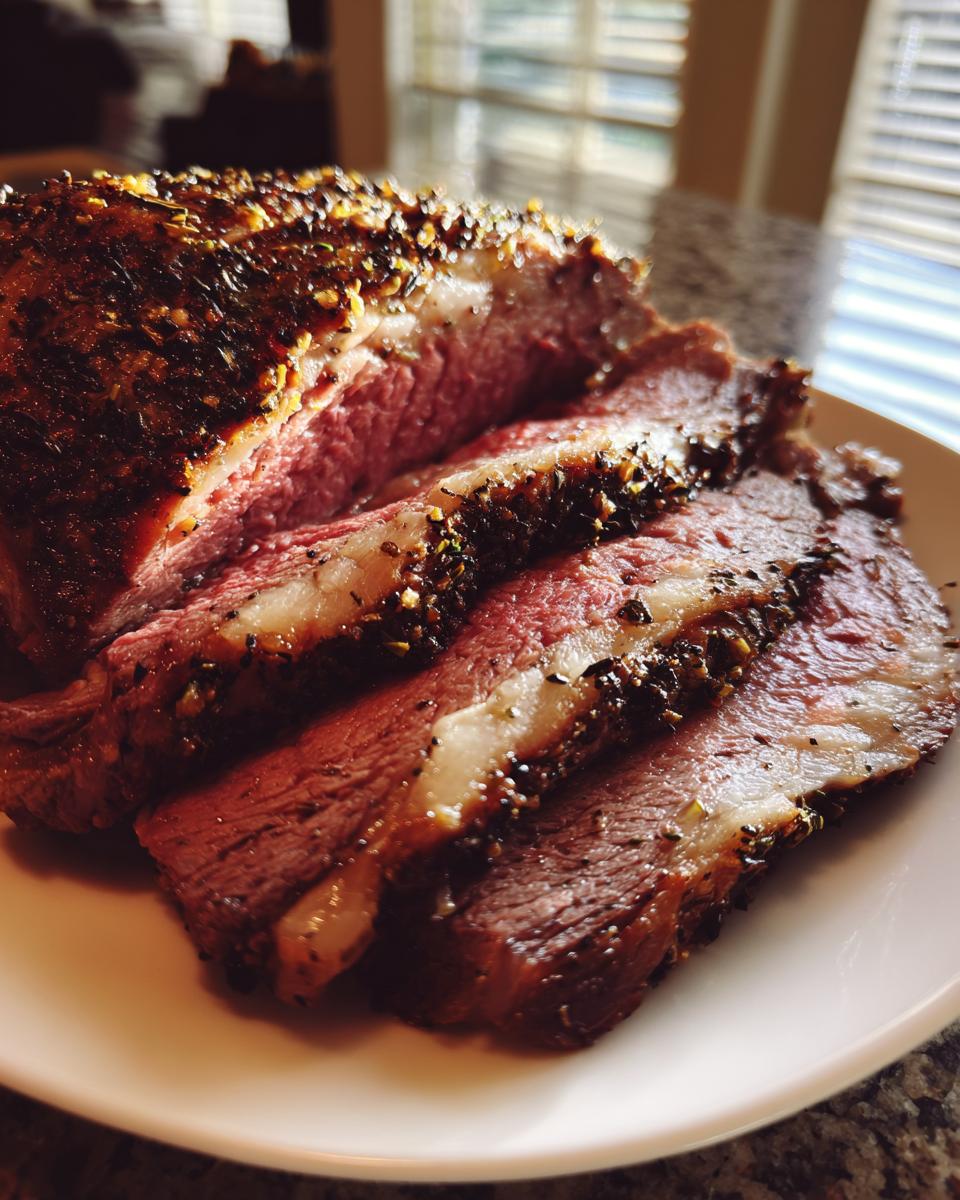
You need to carve what you plan to eat right away, and store the rest. Slice the remaining roast thinly against the grain—this is super important for keeping those leftover slices soft. Pop those thin slices into an airtight container. Seriously, use the best container you have to keep the air out. I usually aim to eat them within three or four days when refrigerated.
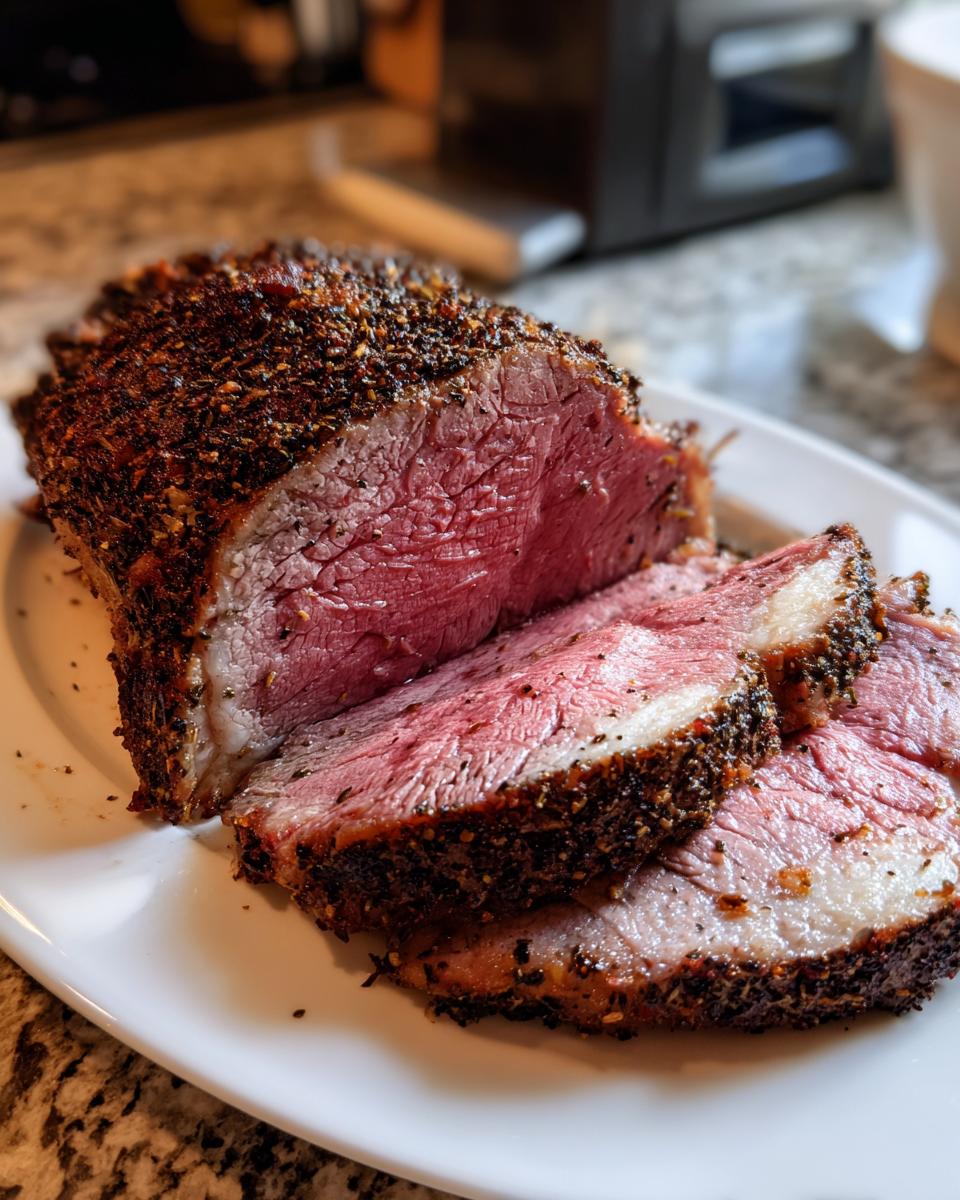
Reheating is where most people mess up the ‘Melt in Your Mouth Roast’ experience, but we won’t! Never microwave a whole slice; it turns rubbery instantly. The best way I’ve found to warm up leftover prime rib? Get a small skillet hot, add just a tiny splash of beef broth or—if you’re feeling fancy—maybe even just a teaspoon of butter. Then, just lay those thin slices in there for maybe 30 seconds per side. You’re just warming it through, not actually cooking it more. It keeps that beautiful texture intact and makes it feel almost as good as it did fresh out of the oven!
Tips for Impress Guests with Roast Beef
Okay, the eating part is amazing, but getting it on the table looking like a masterpiece is half the battle when you’re hosting, especially when you’re making a huge Christmas Dinner Main Dish! Once that prime rib has rested—and please don’t forget that rest time while your guests are distracted by appetizers—it’s showtime. You need to carve it confidently, like you do this every Sunday, not like you’re performing surgery!
The key to carving is getting the knife angle just right. You always want to cut against the grain, which is the direction of the muscle fibers. When you cook bone-in, the muscles on the outside curve around the bones differently than the ones closer to the center. So, first, carefully slice the entire roast off the bones. If you can, use a sturdy carving fork to hold the bones steady. That carved-off roast will look far more uniform! For fantastic inspiration on making this a true showstopper, check out what they are doing over at this Christmas prime rib recipe.
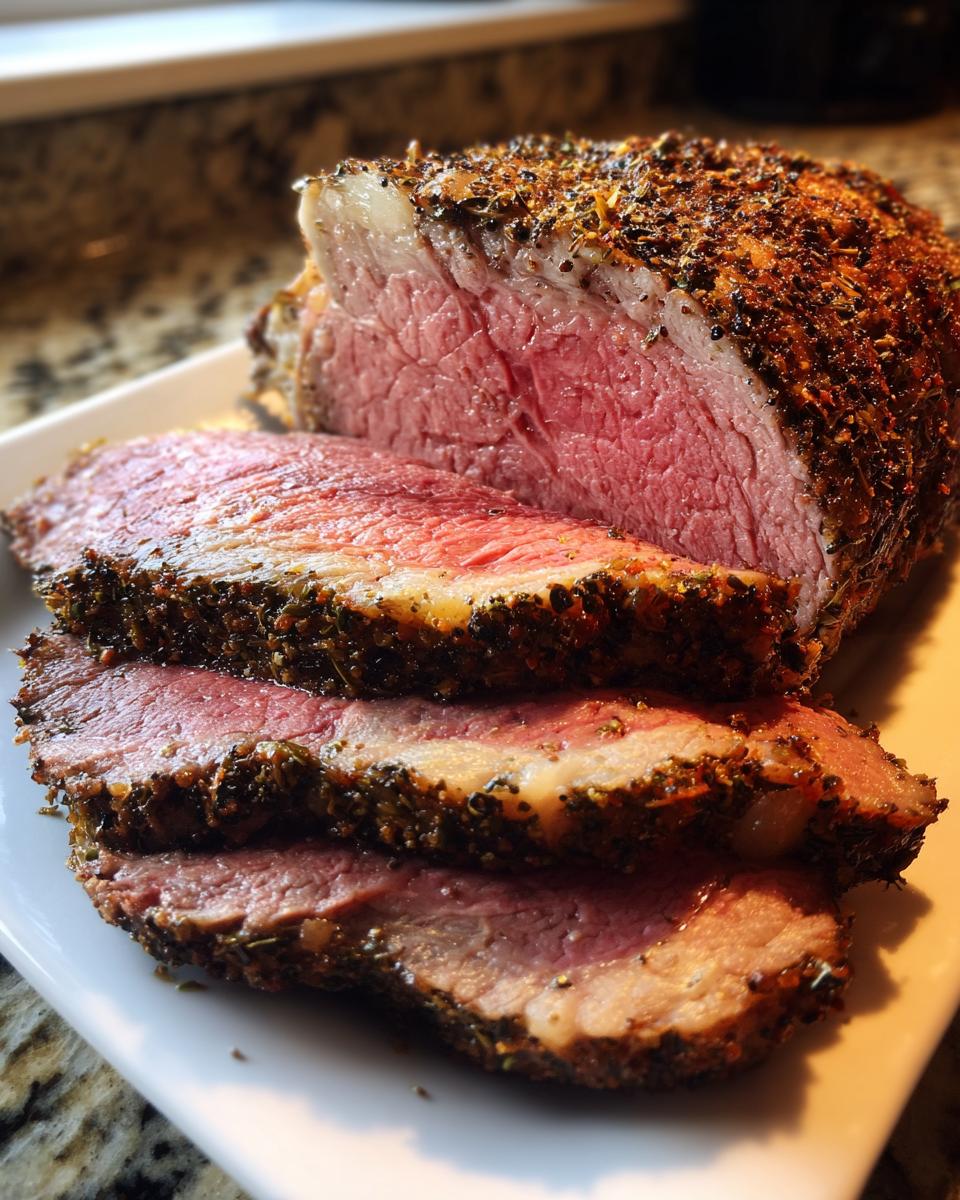
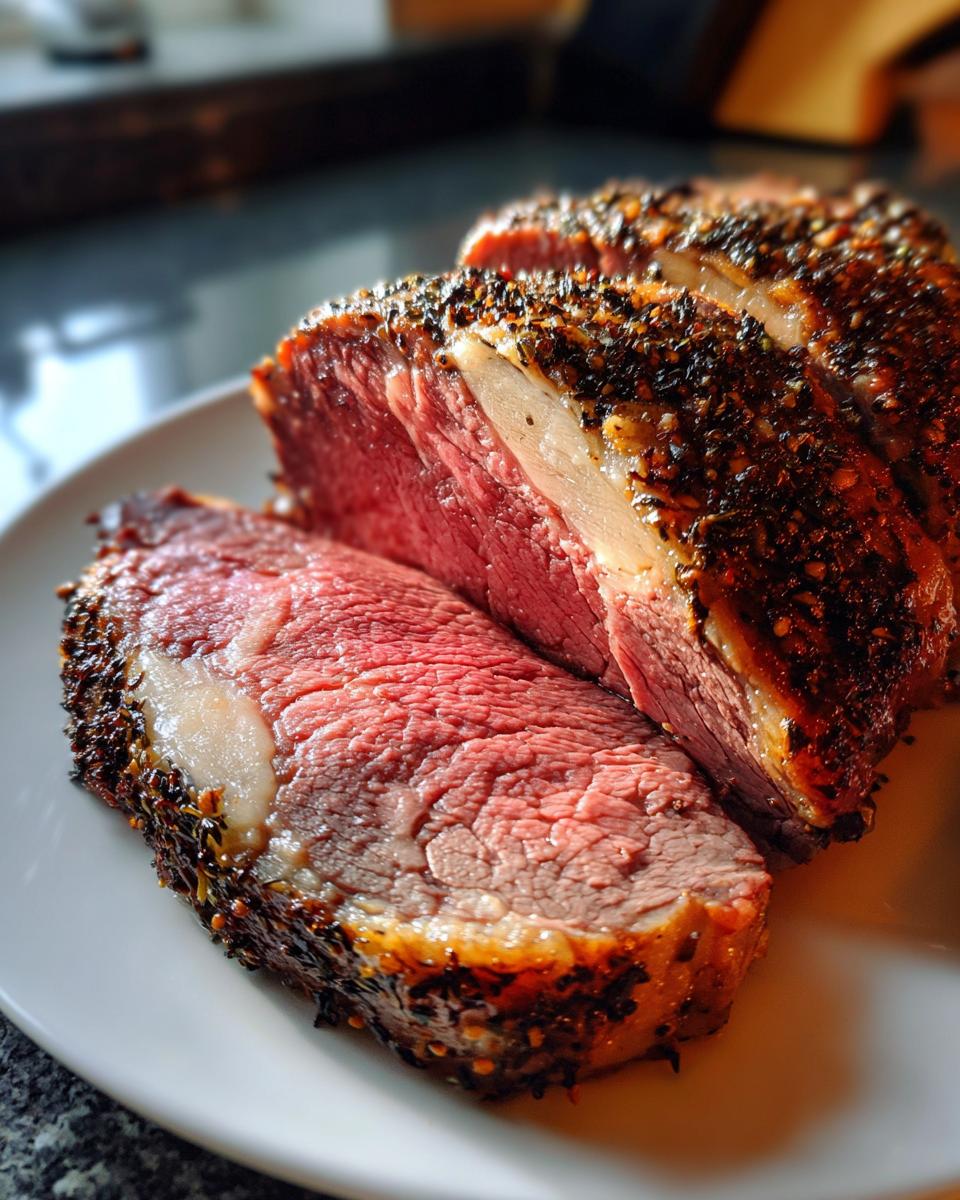
When you slice the meat for serving, aim for about a quarter or a third of an inch thick—not too thin that it falls apart, but definitely not huge slabs. If you cut them too thick, people might worry they are getting tough meat, even though we know this roast is ‘Melt in Your Mouth Roast’ quality!
And managing the oven when you have a big holiday meal is a real juggling act. My trick is timing everything around that required 20-minute rest period. If you pull the prime rib out around 30 minutes before you plan to serve, that’s enough time to get everything else cooked and plated. While the roast is resting, you can quickly pop in something like my classic homemade stuffing to warm up or get those last-minute sides piping hot. It keeps your oven clear right when you need it most for those last additions. You’ll be shocking your guests with how calmly you handle the entire serving process!
Frequently Asked Questions About Cooking prime rib
I know that cooking a huge roast like this can bring up a few little worries, even with my step-by-step guide! It’s natural, especially when you’re looking to make a “Holiday Roast Beef Centerpiece.” Don’t fret; I’ve gathered up the most common questions I get about making sure this “Best Prime Rib Recipe” works out perfectly every time.
What internal temperature should my prime rib reach before searing?
This is the secret weapon of the “Reverse Sear Prime Rib Guide,” so pay attention! For that gorgeous, consistent medium-rare finish—that “Perfect Medium Rare Roast” everyone dreams about—you need to pull your roast out of the low-temp oven when it hits exactly 115 degrees Fahrenheit. I always aim for that specific number!
When you then send it into the 450-degree oven for the final blast, that residual heat carries it up another 5 to 10 degrees while it builds that signature crust. If you pull it out hotter, you risk losing that “Melt in Your Mouth Roast” texture we worked so hard for. If you check out how to cook other holiday meats, you’ll see I stress temperature management everywhere!
Can I make this Copycat Texas Roadhouse Prime Rib using this method?
Oh, I totally get the craving for those copycat flavors! The good news is yes, absolutely, you can follow this “Foolproof Prime Rib Oven” method for a “Copycat Texas Roadhouse Prime Rib.” The magic is in the cooking method itself—the low-then-high heat—so the structural integrity of the roast will be superb.
However, the specific seasoning is where the copycat part comes in. Our herb rub is classic and earthy, which I love. If you wanted that specific steakhouse flavor profile, you’d swap out my thyme and rosemary for heavy amounts of black pepper and maybe a bit of garlic salt, and you’d definitely need to research their specific seasoning blend to get that exact taste. The process, though? It’s 100% spot on for achieving a deeply tender roast beef result!
Do I really need bone-in, or is boneless easier for a “Juicy Roast Beef”?
I usually recommend bone-in because those bones protect the tender meat closest to them and they add fantastic flavor, giving you that better crust distribution on the surface area! But listen, if you bought a boneless roast, this recipe will still give you amazing, juicy roast beef.
The main difference is time. Boneless roasts don’t have that insulating layer, so they cook faster. If you are using boneless for your “Christmas Dinner Main Dish,” just start checking the temperature about an hour sooner than the time chart suggests. You’re still aiming for that same 115°F carry-over temperature before the sear!
My roast is small—how does size affect the low-heat cooking time?
That’s a great question that shows you’re thinking like a real cook! With the low-and-slow reverse sear, the size difference is less dramatic than in traditional high-heat roasting, which is a huge win for us! A smaller prime rib (say, 4 pounds) might take closer to 3 hours in that 250°F oven, while a beast closer to 7 or 8 pounds might easily take 4.5 or 5 hours.
The rule of thumb is always the thermometer! Never cook to time, always cook to temperature. That low temperature allows the connective tissues to break down slowly before the heat gets too high, which is why you end up with such a reliably “Tender Prime Rib Roast.”
Understanding Nutritional Estimates for prime rib
Now, I know when you’re making a massive, incredible centerpiece like this prime rib, nutrition isn’t usually the first thing on your mind, but it’s good to have a general idea!
Based on a 6-ounce serving of this Herb-Crusted Prime Rib, we’re looking at about 450 calories, with 38 grams of protein. It is naturally quite low in carbs, which is why people often use beef roasts when they are aiming for a keto meal plan.
Just remember, these numbers are estimates, especially since we use rich ingredients like the butter crust! If your goal is strictly low-fat, you could always choose a smaller roast or skip the butter spread, but honestly, the butter is what helps keep that roast so juicy!
Share Your Perfect prime rib Results
That’s it, Chef! You’ve done the work, managed the temperatures, nailed that beautiful crust, and now you have a show-stopping, restaurant-quality prime rib roast sitting on your table. That’s something to celebrate!
I truly hope you found this “Best Prime Rib Recipe” guide helpful for conquering what can seem like an intimidating dish. I pour my heart into testing these recipes to make sure they work flawlessly in *your* home kitchen, just like they do in mine.
Now, I desperately want to know how it turned out! Did this work perfectly for your big Christmas dinner main dish? Did the reverse sear give you the “Tender Prime Rib Roast” you were hoping for? Please, please leave a rating below and tell me all about your experience.
If you enjoyed this, maybe you’re already thinking about what classic dessert to pair with the leftovers—if there are any left, that is! If you need a truly show-stopping finish, you might want to bookmark my recipe for easy, super-moist traditional fruit cake for later holiday baking inspiration.
Sharing your successes helps other home cooks gain the confidence to attempt this amazing beef roast next time. Happy cooking, and thank you for trusting DeliceRecipe with your centerpiece meal!
PrintThe Perfect Reverse Sear Herb-Crusted Prime Rib Roast
Achieve a tender, juicy prime rib with a flavorful crust using the foolproof reverse sear method, ideal for your holiday centerpiece.
- Prep Time: 20 min
- Cook Time: 4 hours
- Total Time: 4 hours 20 min
- Yield: 6-8 servings 1x
- Category: Main Course
- Method: Oven Roasting (Reverse Sear)
- Cuisine: American
- Diet: Low Calorie
Ingredients
- 1 (5-7 lb) bone-in prime rib roast (Ribeye roast)
- 3 tablespoons coarse kosher salt
- 2 tablespoons black peppercorns, freshly cracked
- 1 tablespoon dried thyme
- 1 tablespoon dried rosemary
- 1 tablespoon garlic powder
- 4 tablespoons unsalted butter, softened
- 2 tablespoons olive oil
- 1 teaspoon Worcestershire sauce
Instructions
- Remove the prime rib from the refrigerator 2 to 3 hours before cooking to allow it to come closer to room temperature.
- Pat the roast completely dry using paper towels. This helps create a better crust.
- Prepare the herb rub: In a small bowl, combine the cracked black pepper, dried thyme, dried rosemary, and garlic powder.
- In a separate small bowl, mix the softened butter, olive oil, and Worcestershire sauce until combined.
- Spread the butter mixture evenly over the entire surface of the roast.
- Sprinkle the herb and pepper rub generously over the buttered surface. Press the rub gently into the meat.
- Place the roast, fat side up, on a wire rack set inside a sturdy roasting pan.
- Preheat your oven to 250 degrees Fahrenheit. This is the slow-roasting phase.
- Insert a reliable meat thermometer into the thickest part of the roast, avoiding bone contact.
- Roast the prime rib slowly until the internal temperature reaches 115 degrees Fahrenheit for medium-rare finish (or 120 degrees Fahrenheit for medium). This can take 3 to 5 hours depending on the size.
- Once the target low temperature is reached, carefully remove the roast from the oven.
- Increase the oven temperature to 450 degrees Fahrenheit.
- Place the roast back into the hot oven without reducing the heat. Roast for 10 to 15 minutes, or until the exterior crust is deep brown and crisp. Monitor closely to prevent burning.
- Remove the roast from the oven. Tent loosely with foil and let it rest for at least 20 minutes before slicing. The internal temperature will rise during resting.
- Slice against the grain and serve immediately.
Notes
- For best results and a consistent temperature, consider using a sous-vide precision cooker for the initial low-temperature cook if you prefer that method over the oven.
- If you are planning your weekly meals, this recipe is excellent for meal planning around a special event.
- Always use a meat thermometer; guessing the doneness leads to inconsistent results.
Nutrition
- Serving Size: 6 oz cooked
- Calories: 450
- Sugar: 1
- Sodium: 650
- Fat: 35
- Saturated Fat: 15
- Unsaturated Fat: 20
- Trans Fat: 1
- Carbohydrates: 2
- Fiber: 0
- Protein: 38
- Cholesterol: 140